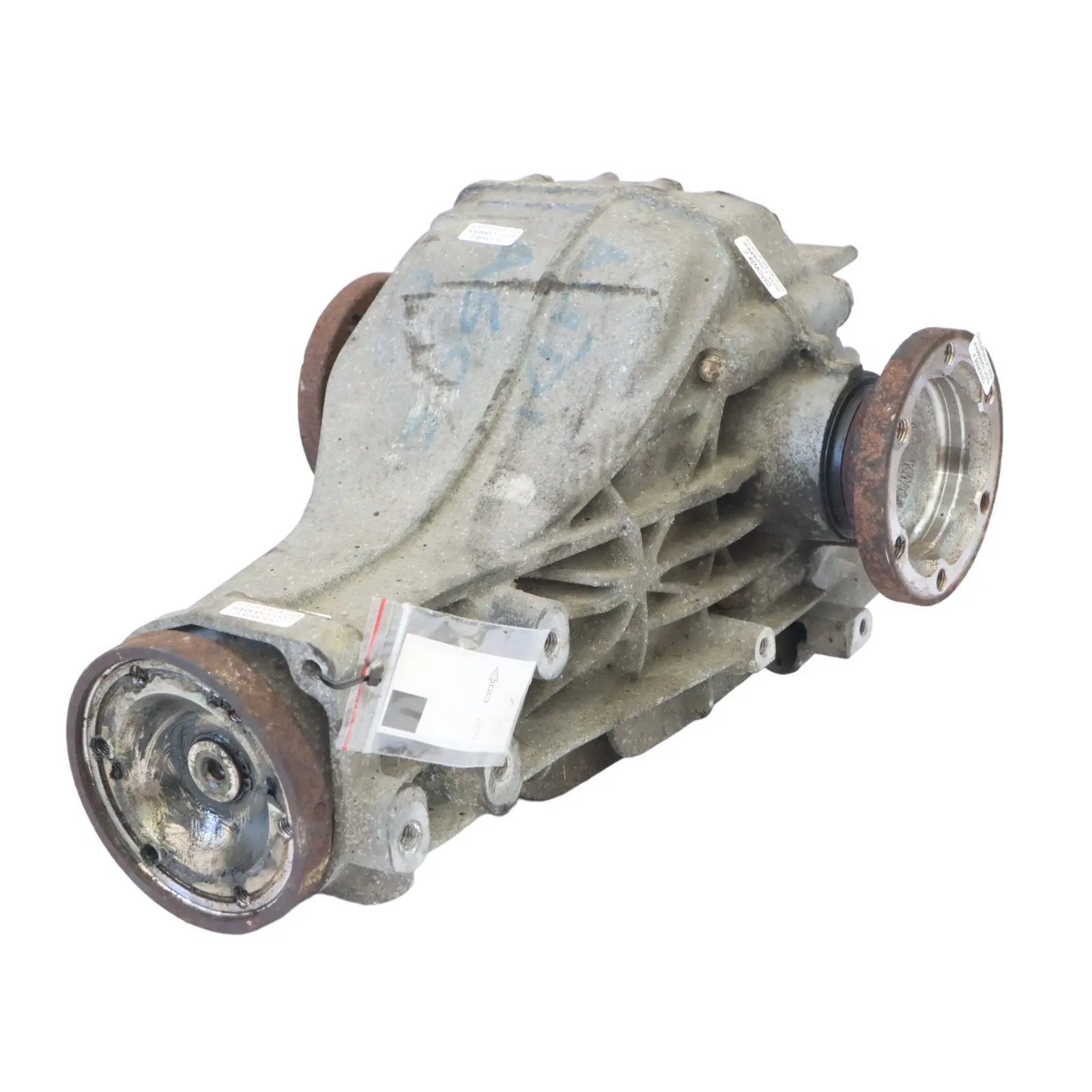
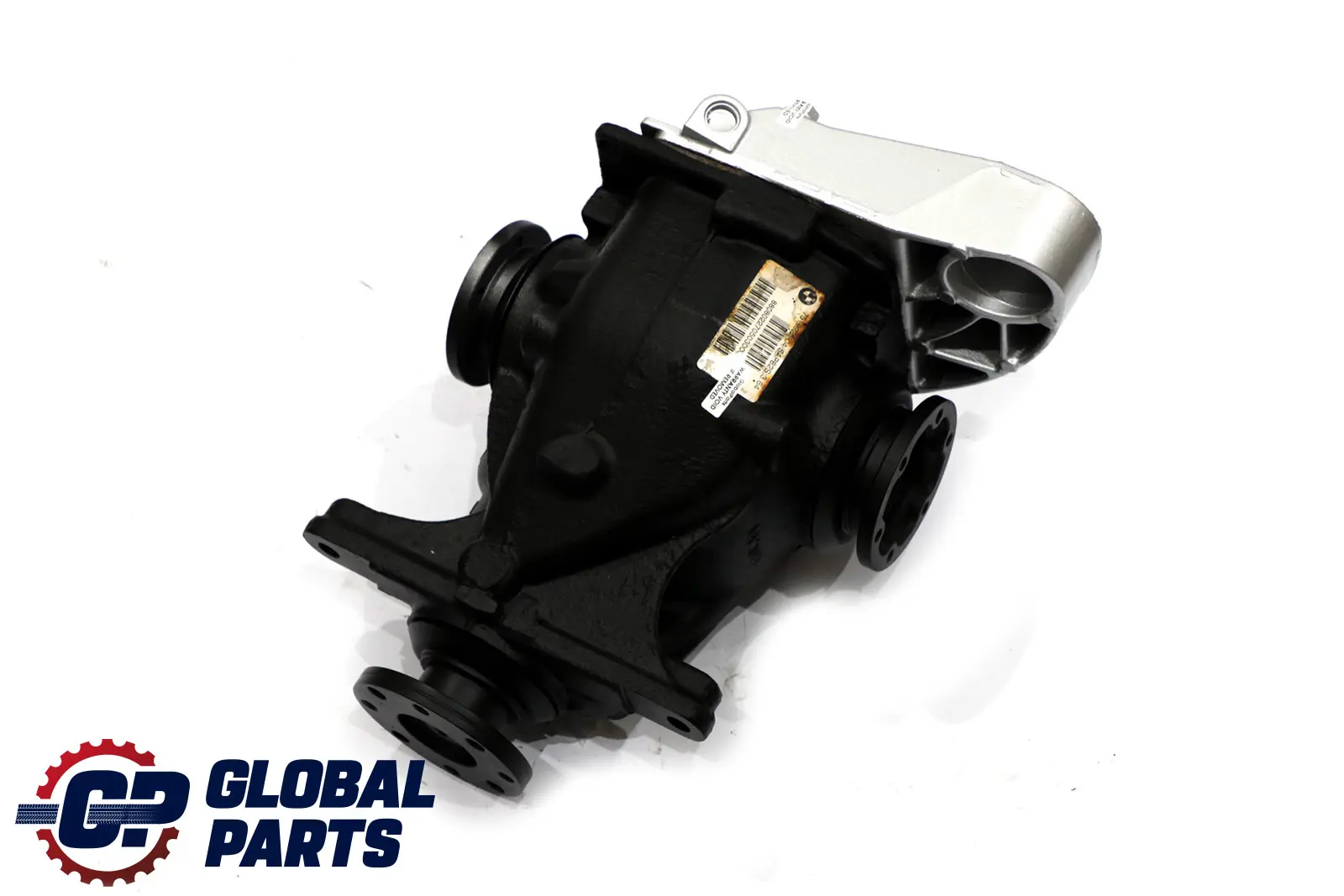
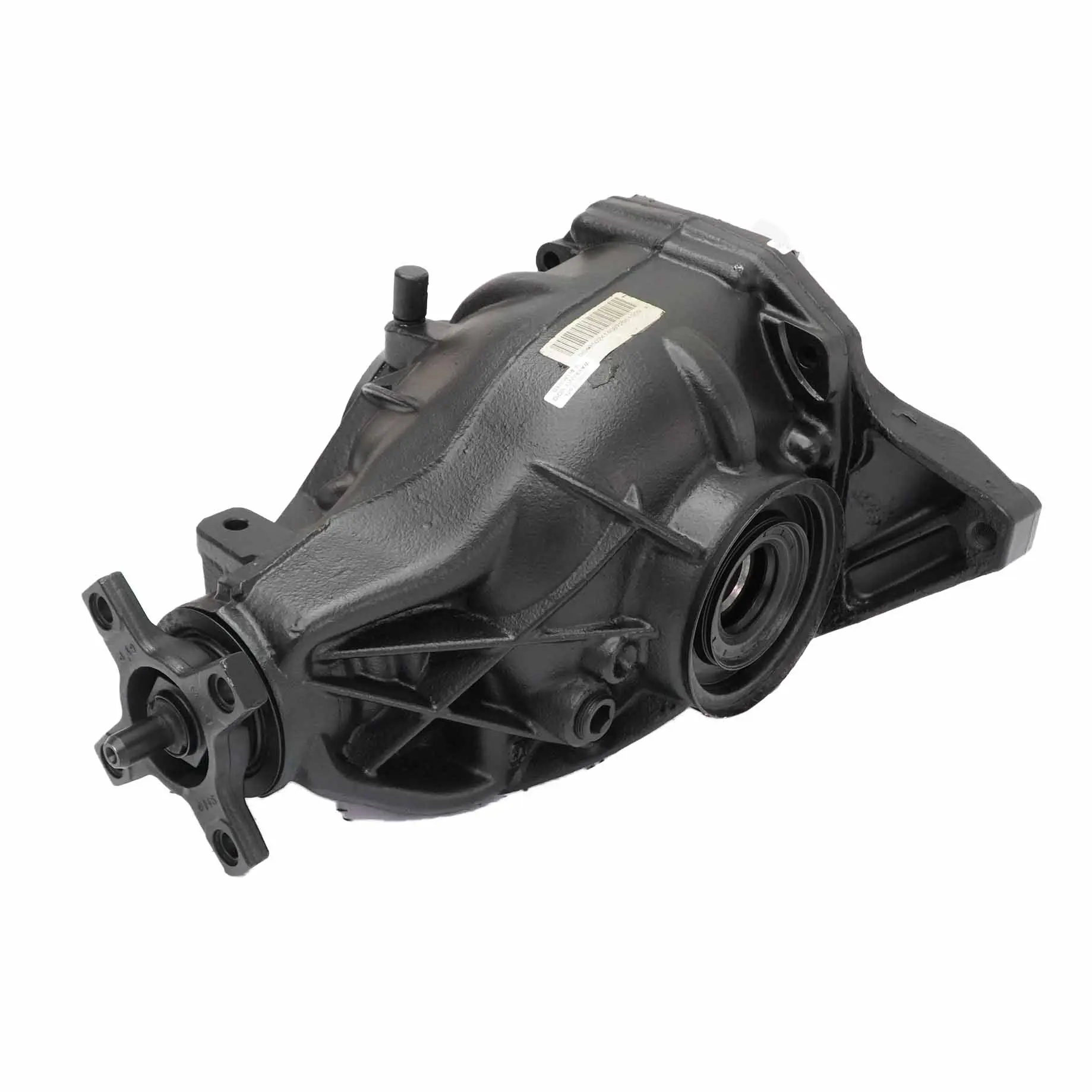
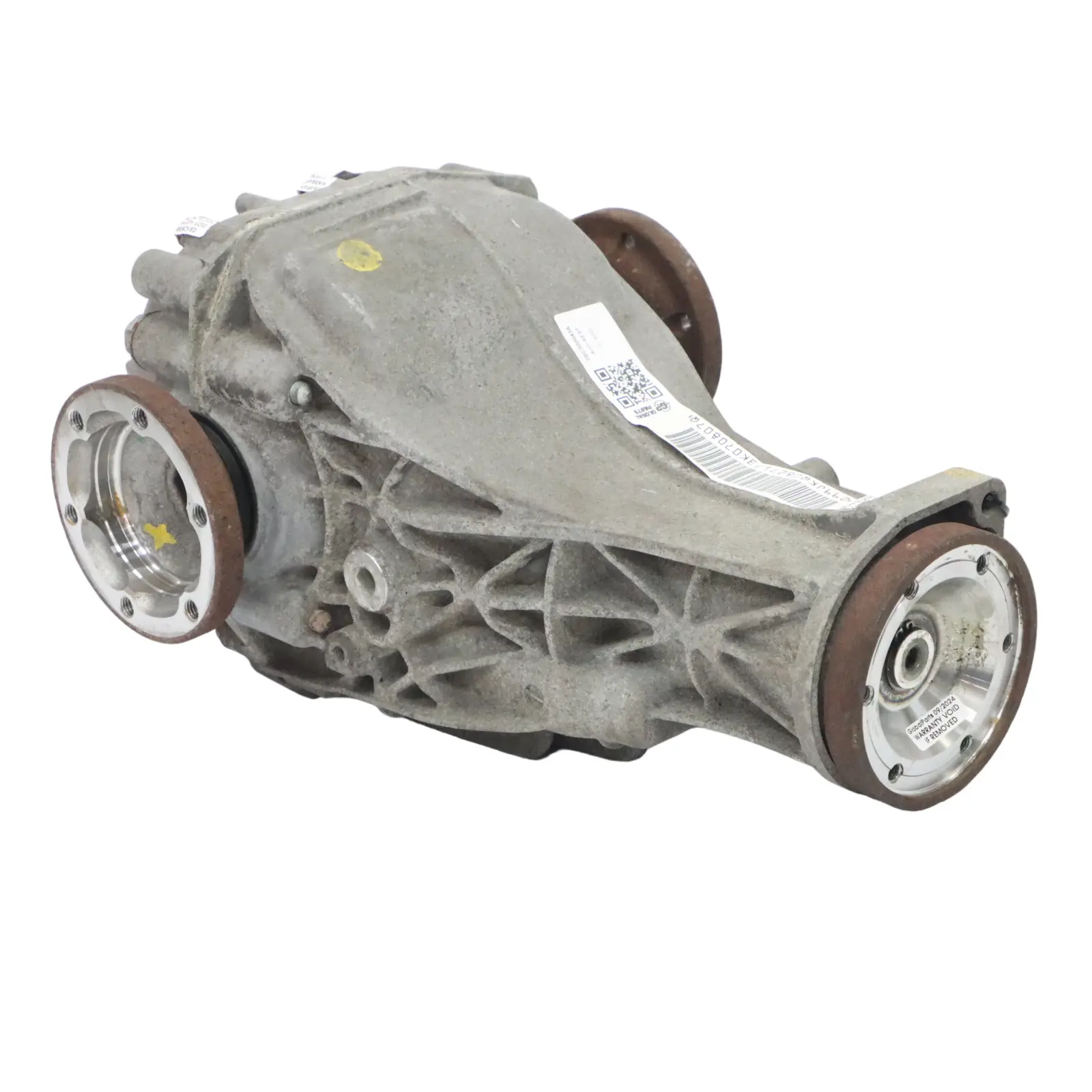
Efficiently transferred all-wheel drive or rear-axle drive is crucial for the smooth ride, acoustic comfort, and safety of any combustion engine vehicle. A deep whine from the differential area or harsh body vibrations during acceleration are clear signs of wear and tear on key components. Given the high cost of brand new components, a professionally selected, used drivetrain from a dismantled vehicle proves to be the most rational solution. The transfer of enormous torque requires the use of fatigue-free components, so an original rear axle and a precisely balanced driveshaft are essential. Aftermarket parts outperform cheap alternatives in durability. Global Parts' team of specialists thoroughly inspects each component, guaranteeing drivers a hassle-free installation and significant financial savings. This article provides a detailed analysis of the cost-effectiveness of the repair and outlines what to consider before purchasing. Contents:
- How to recognize signs of wear in drivetrain components?
- When is it profitable to install a used rear axle instead of a rebuilt one?
- Vibration and rattle: when is replacing the drive shaft the only solution?
- Accident repair: bodywork, engine and chassis damage
- Drive Parts Parameter and Compatibility Tables
- Safely purchase drive components at Global Parts
- Frequently Asked Questions (FAQ)

How to recognize signs of wear in drivetrain components?
Powertrain wear manifests itself in a very specific way and increases with mileage. Quick diagnosis can help avoid complete wheel lockup and costly towing. A loud humming noise, a growing whine when accelerating, or metallic clattering when shifting gears are clear signs that the final drive or joints require immediate attention. In commercial vehicles with particularly intensive use, a robust Sprinter rear axle is the rear axle of a ford transit durable are subjected to enormous transport loads. In turn, in classic limousines, such as the iconic Mercedes 124, the rear axle Over time, it loses its tightness and exhibits significant play in the drive shaft. Neglecting the initial disturbing sounds can lead to bearing seizure, grinding of the crown wheel teeth, and sudden locking of the differential. For this reason, regular inspection of the transmission oil level and early technical evaluation by a specialist are crucial.
What causes body vibrations and knocks when starting?
Disturbing vibrations felt in the vehicle's floor and a dull thud when shifting gears indicate damage to rotating components. Worn-out bearings, worn-out universal joints, and worn-out CV joints lose their dynamic balance, transmitting bothersome vibrations throughout the vehicle. For example, the factory driveshaft in a BMW E60 530d must withstand the high torque of the diesel engine, which means that play in the support quickly damages the gearbox housing. Similarly, the intensively used Vito 639 drive shaft or strong Sprinter 906 drive shaft are struggling with wear of the spline and joints. To avoid accelerated degradation of the gearbox and differential bearings, professional diagnostics or shaft replacement should be performed by a qualified mechanic.
When is it profitable to install a used rear axle instead of a rebuilt one?
Final drive rebuilding requires specialized tools, extreme precision, and the purchase of very expensive repair kits. In most cases, it's much more cost-effective to install a functional OEM part from a disassembled unit. The cost of labor and brand new crown wheels and pinion shafts often exceeds the market value of the entire assembly. Choosing a fully functional BMW rear axle or dedicated rear axle mercedes w211, the driver receives factory-fitted gears, which can be extremely difficult to adjust in a workshop. In passenger cars with a sporty flair, such as the rear axle of a BMW E90 320i, the used original ensures quiet operation and maintains correct gear ratios. Furthermore, in heavy commercial vehicles using a Ford Transit twin rear axle Purchasing a verified aftermarket transmission helps minimize vehicle downtime. Ordering a verified component from a trusted source guarantees factory performance without the risk of incorrect gear clearance adjustment.
Vibration and rattle: when is replacing the drive shaft the only solution?
The complex component transmitting power between the gearbox and the axle is subject to natural wear and tear or warping under load. Replacing the entire assembly with a verified original is the quickest and most cost-effective repair method. Rebalancing a damaged tubular body after a severe mechanical impact can be impossible in a workshop environment. In recreational vehicles and SUVs, such as the popular BMW X3 E83 driveshaft or wider touareg drive shaft, a damaged support or a worn out homokinetic drive shaft generates a lot of noise and floor vibrations. In turn, in delivery trucks, where the Mercedes Sprinter drive shaft works Or the legendary VW LT 35 driveshaft, a bent housing necessitates the immediate installation of a functional equivalent. Even in classic models using a Mercedes 124 driveshaft or the smaller BMW E46 320i driveshaft, purchasing a used original in good condition outlasts budget-friendly alternatives. In cars with automatically engaged driveshafts, such as the Tiguan driveshaft or the more powerful BMW X3 driveshaft, precision manufacturing is crucial to the durability of the multi-plate clutch.
Post-accident repair: bodywork, engine and chassis damage
Road collisions are complex events that rarely result in damage to a single component. Comprehensive damage management requires precise selection of components from various technical categories.
In the case of external impacts, the bodywork suffers the most, with bumpers, hoods, and fenders subject to deformation. Using original bodywork components from disassembly allows for perfect gap alignment and maintaining factory mounting points, which is extremely difficult with cheap replacements. Furthermore, OEM components have factory zinc coatings, preventing the repaired vehicle from rapidly developing hidden corrosion.
More serious frontal collisions ruthlessly damage the front fascia, radiators, and engine accessories, and the force of the impact can crack the block or break frame mounts. In such situations, a complete engine replacement with a functional aftermarket combustion engine is significantly more cost-effective than attempting to repair a cracked hull at a grinding shop.
Impacts to the wheel or side of the vehicle cause enormous stresses in the chassis, damaging steering knuckles, control arms, and axle shafts. Torsional forces can also bend the drive shaft or break the differential housing, requiring a used drivetrain to be assembled from certain, undamaged parts. Replacement of complex chassis and drivetrain components should always be performed by an experienced mechanic.

Drive Parts Parameter and Compatibility Tables
The following tables clearly illustrate the most common failure symptoms of power transmission components and the benefits of choosing OEM components from disassembly.
Table 1: Most common failure symptoms and recommended response
Table 2: Cost-effectiveness comparison: Used OEM vs. Cheap Replacement/Remanufactured
| System component | Symptom of wear or damage | Recommended service action |
|---|---|---|
| Differential / Bridge | Increasing howl upon acceleration | Installing a used rear axle with the correct gear ratio |
| Drive shaft | Body vibrations at speeds of 60-90 km/h | Replacing the complete shaft with a balanced support |
| Shaft joint | Metallic knock when shifting from R to D | Replacing the elastohydrodynamic joint or shaft |
| Attack bearing | Loud noise regardless of engine load | Replacing the final drive with a selected OEM part |
| Comparison criterion | Used OEM original from dismantling | Cheap replacement or regeneration |
| --- | --- | --- |
| Precision of gear wheel fit | Factory (no risk of differential whining) | High risk of incorrect clearance setting |
| Repair turnaround time | Short (assembly of the finished part in the workshop) | Long (waiting for machining and parts) |
| Durability under load | Very high (original steel alloys) | Medium or low (weaker substitutes) |
| Total cost of the service | Optimal (no expensive man-hours) | Often high due to service costs |
FAQ: QUESTIONS AND ANSWERS
| QUESTION | ANSWER |
|---|---|
| What is the difference between a rear axle and a regular differential? | A rear axle is a rigid housing that combines the differential gear with the drive shafts into a single unit, used primarily in commercial vehicles and off-road vehicles. A standard differential is a separate transmission mounted within a vehicle with independent suspension, from which power is transferred to the wheels via flexible drive shafts with joints. |
| When is it profitable to replace the entire rear axle instead of reconditioning it? | Replacing the entire axle with a used original is worthwhile when the cost of the gears, bearings, and complex grinding work alone exceeds the performance value of the disassembled parts. Installing a used OEM axle also shortens the time the car spends in the workshop from several days to just a few hours. |
| What are the main symptoms of a damaged drive shaft in a car? | The most visible symptoms include annoying vibrations felt in the floor and seats during acceleration, clunking noises when shifting gears, and a loud rumbling sound coming from the center tunnel. A worn-out shaft support or worn-out universal joint can also cause resonance at certain engine speeds. |
| Does a used drive shaft require rebalancing before installation? | If the used driveshaft comes from an accident-free vehicle and has not been separated at the spline, it is factory balanced and ready for direct installation in the vehicle. Balancing is only necessary if individual joints have been replaced or the shaft halves have been separated without marking their original positions. |
| How can I make sure that the rear axle I am ordering will have the same gear ratio as the damaged one? | The most reliable method is to read the data plate located on the damaged differential housing or use the VIN/OEM selection procedure. The correct gear ratio (e.g., 3.23, 3.46) is crucial to prevent ABS/ESP system malfunctions and gearbox damage. |
| Is it safe to repair the drivetrain after a road collision? | Yes, the repair is completely safe provided you use accident-free, certified parts from the disassembly and entrust the work to a professional repair shop. Replacing a bent shaft or cracked axle housing with a used OEM part restores factory rigidity and complete driving safety. |