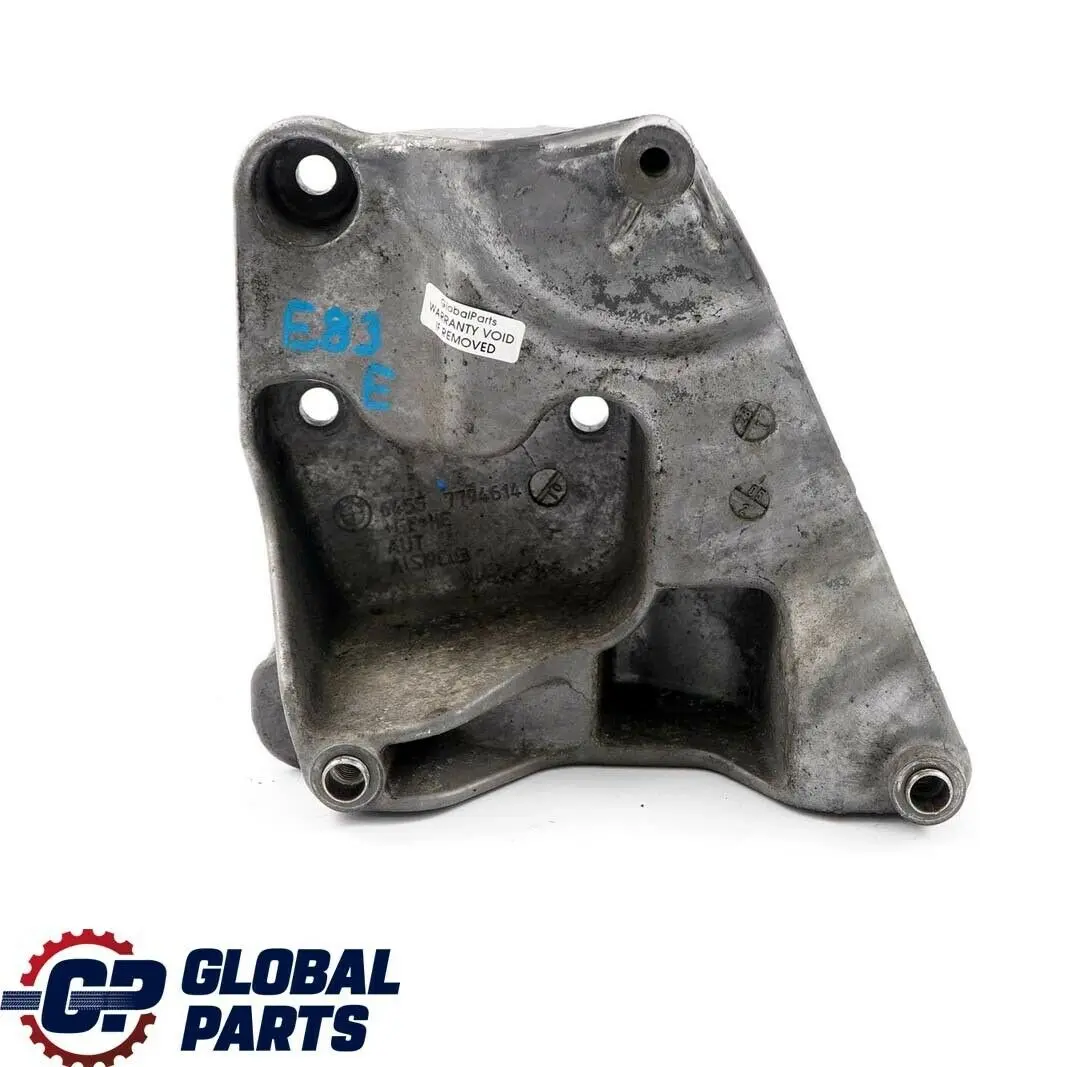
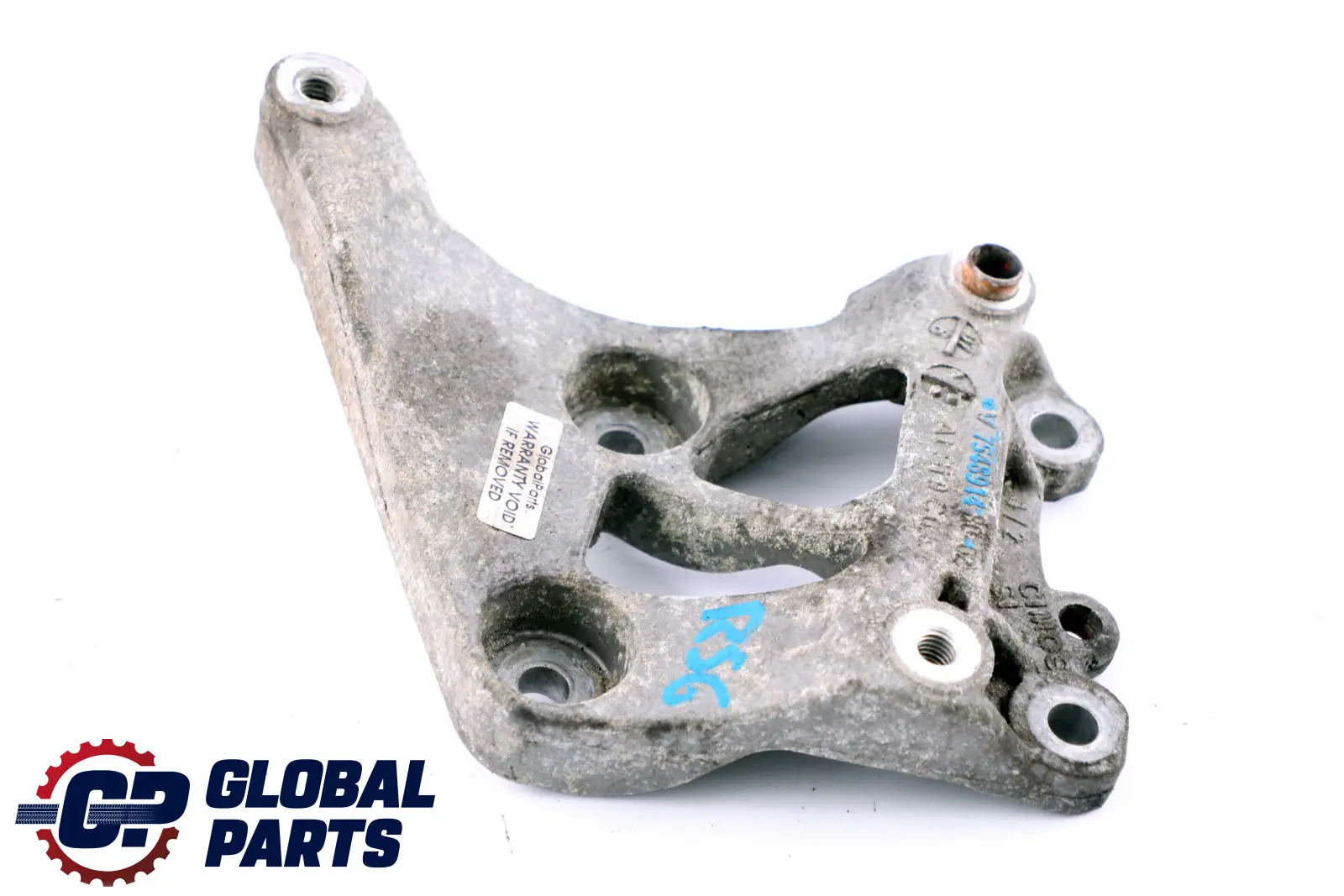
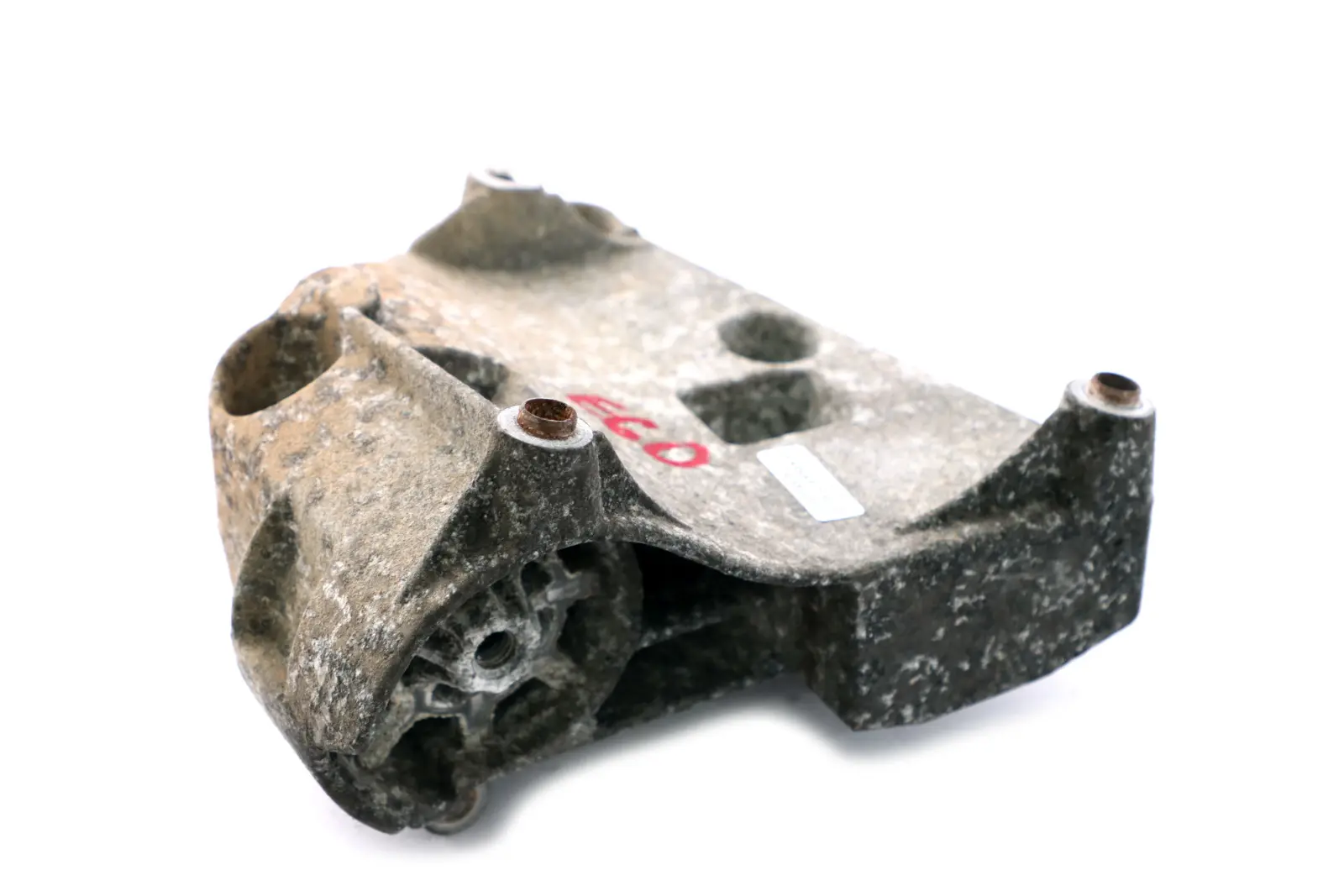
A sensible car repair doesn't involve salvaging every old part at all costs or replacing everything with new. A cracked housing, a worn-out pump, or a single-fault controller require different decisions. Regeneration makes sense when the required component parameters can be restored and confirmed with appropriate testing. Proven used car parts It's worth considering when they allow you to replace a damaged component without the need to rebuild the entire assembly. At Global Parts, you can check the availability of original components and consult on the fit of the selected part. A comprehensive repair plan, including the condition of the mating components and post-installation work, should guide your choice.
Contents
- Repair, remanufacturing and used parts – what are the differences between these solutions?
- When does component regeneration have an advantage?
- When is it better to choose the original from disassembly?
- Electronics: repair your own module or install a used one?
- Which damage should not be masked by restoration?
- How can I compare the full scope of repairs before making a decision?
- FAQ - Remanufactured or Used Parts?
Repair, remanufacturing and used parts – what are the differences between these solutions?
While repair may eliminate a single fault, remanufacturing should involve assessing and restoring the required performance of the entire component being serviced. A used part has been previously used, but the term itself does not imply disassembly and rebuilding. Replacing a leaky seal may be sufficient to repair a functioning mechanism, but it does not automatically constitute full remanufacturing. The remanufacturing process typically includes disassembly, cleaning, inspection, acceptable machining or replacement of worn components, reassembly, and a final test. The basis is the so-called core, a used assembly qualified for rebuild, whose key components must meet suitability criteria. Remanufacturing your own part and purchasing a previously remanufactured unit are two different ways of organizing a repair. It's worth comparing offered car parts based on the scope of work performed and verified parameters, rather than treating the terms "remanufactured" and "remanufactured" as synonyms. Washing, sandblasting, or painting can improve appearance, but they do not replace inspection of the working surfaces and functional tests.
| Solution | What does it involve? | What should determine the choice? |
|---|---|---|
| Repairing a specific fault | Removing a recognized problem without rebuilding the entire assembly. | Confirmation that the remaining components are suitable for further work. |
| Component regeneration | Inspection, restoration of required parameters and test after reassembly. | Core suitability, scope of work and final inspection results. |
| Installation of a used original | Replacing a damaged part with a working copy from disassembly. | Conformity of workmanship, condition and completeness of a specific part. |
When does component regeneration have an advantage?
Remanufacturing is worth considering when worn components can be replaced or repaired using current technology, and the basic structure is still operational. Its advantage is the ability to assess the component's internals and verify the restoration results. Hydraulic power steering pump is a good example of a part whose usefulness isn't determined by the appearance of the housing. When planning a rebuild, it's important to determine the condition of the working surfaces, seals, and other components, as well as the feasibility of performing a proper functional test. However, noise alone doesn't necessarily mean the pump needs to be rebuilt, as the fluid level, tightness, and drive unit must first be checked. If the steering system contains impurities or metallic particles, the cause must be identified, and the circuit prepared according to the appropriate procedure. After installation, the appropriate fluid, bleeding of air, and a leak test are necessary. This applies to both remanufactured and used original pumps, so repairs should be entrusted to a workshop trained in hydraulic power steering.
Engine, gearbox and differential: decision after measurements
With large assemblies, the extent of wear determines whether a rebuild is worthwhile, not just the fact that it can be disassembled. with repairable wear may be a candidate for overhaul if measurements confirm the possibility of restoring proper parameters. Installing new rings alone will not restore the geometry of worn cylinders . However, it requires a diagnosis of whether the problem is related to the mechanics, control, or associated devices before it is qualified for a full rebuild. The scope of the service should include specific work, not just the general term "gearbox regeneration." Similarly, the differential, i.e., the differential, does not always require replacement of the entire assembly if wear is confirmed in its bearings. Repairing the final drive may, however, require adjusting the bearing preload, gear clearance, and checking the gear engagement pattern. When critical components are extensively damaged or proper rebuilding is impossible, it is worth comparing the repair with the installation of a compatible, proven assembly from the disassembly. Both options must address the cause of the failure to prevent the problem from spreading to another component.

When is it better to choose the original from disassembly?
A used component is particularly interesting when it retains its functional structure and the damaged part requires replacement rather than rebuilding the mechanism. This applies to many housings, covers, and individually replaceable accessories, among other things. Undamaged air filter housing A housing with broken mountings can be replaced if the connections, mounting, and sealing are correct. In this case, there's no reason to consider housing replacement as a complete intake system rebuild. An intake manifold equipped with flaps and drive requires a different assessment, as clearances and mechanism operation are important in addition to the housing condition. Removing carbon deposits won't repair worn axles or a damaged linkage. In some cases, actuator failure can result from flap blockage, so replacing the drive alone will leave the source of the fault. A fully tested, disassembled manifold can be considered after confirming compatibility, equipment operation, and post-installation adjustment requirements.
Wipers and sunroof: do you need the whole mechanism?
With drive, steering, and control systems, it's first important to determine which part has actually stopped working. It should be considered for replacement only after inspecting the power supply and the mechanism that drives it. A functioning motor will not solve the problem of blocked links. If the damage is confined to the drive, a specialist repair can be compared to installing a compatible, tested unit. It's not always reasonable to purchase all the wiper components. Similarly, a sunroof must be considered as a unit, not a single, non-removable part. The workshop should determine whether work is required on the drive, guides, seals, or a larger part of the mechanism. In the case of a leak, the starting point is to determine the path of water ingress, not to automatically replace the entire cassette. The possibility of separate repair or use of disassembled parts should be confirmed in the catalog and documentation for the specific model.
Electronics: repair your own module or install a used one?
Repairing your own device can be beneficial if the fault is identified and the board and other components are fit for continued operation. A used module is an alternative when repair is not possible or does not provide the desired result, but you must first confirm its operability.
If the comfort module does not support some functions, the service center should first check the power supply, connections, and actuators. After confirming an electronics failure, specialized repair of your own controller may allow you to retain the previous data and settings, although this depends on the type of damage and repair method. Extensive corrosion from flooding, burned electronics, or a cracked board may preclude this possibility. When selecting a used module, the full identification number, hardware version, and compatibility with the vehicle's equipment are important. Depending on the design, coding, adaptation, or other manufacturer-specified startup procedures may be required. Determining these requirements in advance allows you to compare two complete options, instead of comparing the repair of a complete system with the purchase of a non-functional device.

Which damage should not be masked by restoration?
Changing the appearance does not restore the strength of the damaged structure. If the manufacturer excludes repair of the damage or the required parameters cannot be confirmed, replacement is necessary, not cosmetic refreshment. Scratched rim It may qualify for refinishing within the allowable range, but cracks and deformations require a separate technical assessment. RONAL designates such damage as grounds for wheel replacement, distinguishing it from limited paintwork repairs. Similarly, a deformed steering knuckle or damaged mating component socket should not be considered grounds for simple straightening and repainting. In both cases, a functional, compliant original from disassembly can be considered after a specialist inspection, but one damaged unit should not be replaced. Materials required by the assembly process, including specified seals, fluids, and disposable components, should remain new. Components affecting handling and safety require professional installation and inspection appropriate to the scope of the repair.
How can I compare the full scope of repairs before making a decision?
It's important to consider two options that lead to the same result: a functioning car, not just having a repaired or purchased part. Diagnostics, access to the component, additional work, and the method of verifying operation after installation are all important. Searching for parts by VIN should be combined with the part being replaced and information about the vehicle's actual configuration. For remanufacturing, the workshop should determine the scope of work that can be confirmed before disassembly, as well as what can only be determined by measurements after disassembly. For used parts, the starting point is the condition and completeness description in the product data sheet and confirmed catalog application. Global Parts offers consultation on fitment or availability of the selected component by providing vehicle data and its model number, if known. It's worth planning the work in advance: remanufacturing your own vehicle, purchasing a pre-built remanufactured unit, and installing a used part don't necessarily require the same repair process. Each variant should take into account the new materials specified in the procedure, necessary adjustments, and a final inspection to avoid costly remanufacturing. The following table shows how to separate decisions regarding several different components. The appropriate option depends on the diagnosis and condition of the specific unit.
| Component | When to consider repair or regeneration? | When to consider original disassembly? |
|---|---|---|
| Hydraulic pump | When the design allows for the reproduction of parameters and the performance of appropriate tests. | When the compatibility and operation of the unit have been confirmed and the circuit is ready for installation. |
| Intake housing | When the problem is with a separately replaceable mounting or seal. | When a damaged body is found, it can be replaced with an undamaged element of proper workmanship. |
| Electronic controller | When the fault is identified and the device is suitable for specialist repair. | When repair is not justified and the service has confirmed the possibility of starting a compatible module. |
| Engine or transmission | When measurements indicate the possibility of reconstruction while maintaining the required parameters. | When a replacement is justified by a diagnosis and the condition, compatibility and completeness of the assembly are checked. |
FAQ - Remanufactured or Used Parts?
The key is to distinguish between the name of the solution and the actual scope of work performed. Remanufacturing and installing a used original can be good decisions, but in different situations. Before making a decision, the workshop should identify the damaged component and the cause. They then determine whether the component is suitable for rebuilding or if a replacement is needed. The condition of the associated parts is crucial for both options. It's also important to determine how the repair will be confirmed. The vehicle inspection should focus on resolving the reported problem, not just on replacing it.
| QUESTION | ANSWER |
|---|---|
| What is the difference between a used and a remanufactured part? | A used part has been previously used but has not required a rebuild. A remanufactured part must have its required parameters restored through a specific process and pass a final inspection. |
| What does regeneration core mean? | This is a used component that forms the basis for a rebuild. Its suitability depends on its condition and technical criteria, so not every damaged unit is suitable for reconditioning. |
| Is replacing one seal considered regeneration? | Typically, this involves repairing a specific leak. Replacing a gasket alone does not necessarily mean inspecting and restoring the performance of all component components. |
| When does a used original make more sense than a remanufactured one? | When a compatible, tested unit can be installed, but rebuilding the existing component is not possible or reasonable. This applies, for example, to damaged housings and parts with excessive damage. |
| Does the controller used need to be coded? | This depends on the type of module and vehicle. Coding, adaptation, or other commissioning activities may be required, so their scope should be determined before purchase. |
| Will a remanufactured part always be better than a used one? | This can't be determined based on description alone. The quality and extent of the restoration, the condition of the used model being compared, and the compatibility of both parts with the vehicle are all important. |
| Is it possible to combine remanufacturing with dismantled parts in one repair? | Yes. A functioning original component can work with a properly reconditioned component and new assembly materials. However, each part must be assessed individually and the requirements of the entire system considered. |