Effective thermal management is key to the longevity of any engine, especially in high-performance designs from premium brands. Ignoring the first signs of malfunction, such as fluctuating temperature gauges or frequent fan engagement, leads to costly head gasket failures or cracked block. Original components, designed specifically for a specific model, guarantee the maintenance of engineered thermal parameters, which is difficult to achieve with cheap aftermarket replacements. Proper diagnosis and the selection of parts, such as thermostats and radiators, determine whether a car retains its factory character and reliability. A wide selection of proven, original cooling system components is available from Global Parts, allowing for cost-effective and effective repairs. Maintaining the system in perfect condition is an investment that pays off in trouble-free operation and full engine performance.

BMW engine cooling system – the specificity of high temperatures
The Bavarian manufacturer's engines are renowned for operating at elevated operating temperatures, which promotes efficiency but places enormous demands on the thermal system. BMW's engine cooling system is meticulously designed, and any deviation from the norm, such as a leaky reservoir cap, destabilizes the pressure throughout the entire system. In models such as the 3 or 5 Series, this system is a system of communicating vessels, where the failure of one component rapidly burdens the others. Users often ignore minor leaks, which in the case of in-line 6 engines (e.g., M52, M54) results in immediate overheating of the long cylinder head. Using original, used parts from a disassembly often proves safer than installing aftermarket parts with unverified thermal capacity.
BMW E46 and E39 cooling system – critical points
Older generations of BMWs have specific weak points that require regular inspection to avoid immobilization of the vehicle on the road. The BMW E46 cooling system is known for swelling reservoirs and emergency water connections, which become brittle with age due to thermal cycling. In the E39 model with V8 engines, radiator patency is crucial, as clogging leads to pressure buildup and burst water hoses. It's worth noting the BMW E39's air conditioning fan, which aids in engine cooling on hot days; its failure often goes unnoticed until stuck in traffic. Investing in an original, used car radiator fan in good condition guarantees correct control signals from the ECU .
BMW E90 and M57 Thermostat – Its Role in Thermal Management
Proper diesel engine operating temperature is essential for DPF filter regeneration and optimal combustion. The BMW E90 320d 163HP thermostat (M47 engine) and newer N47 models often suffer from a problem where it gets stuck in the open position, resulting in insufficient engine warm-up and increased fuel consumption. In larger engines, the M57 thermostat (3.0d) works in conjunction with an additional component, the EGR thermostat; failure of this small component prevents the temperature gauge from reaching the vertical position, despite the main thermostat's performance. Replacing both components with original equipment restores proper thermal management, which is crucial for the durability of the turbocharger and injection system. If you have trouble selecting a replacement, verifying the VIN at Global Parts helps avoid installation errors.
Mercedes oil cooler and automatic transmission - drive protection
Efficient lubricant cooling is as crucial as cooling the fluid in the engine block, especially in modern, high-performance engines. The oil cooler in the Mercedes W212 and older models acts as a heat exchanger, stabilizing the engine and transmission oil temperature within its optimal operating range. Neglecting this component leads to rapid degradation of the oil's lubricating properties, which drastically accelerates bearing and turbocharger wear. In automatic transmissions, overheating of the ATF is the most common cause of jerky gear shifts and eventual valve body failure. Original equipment radiators have denser fins than inexpensive alternatives, ensuring better heat transfer within the same surface area.
Mercedes W211 automatic transmission oil cooler - Valeo problem
Owners of early-production W211 models should be aware of the risks associated with defective Valeo coolers, which integrated the coolant circuit with the gearbox oil circuit. The Mercedes W211 gearbox oil cooler in the affected units was internally leaking, causing glycol to enter the gearbox and irreversibly damaging the torque converter. Symptoms such as vibration or engine speed fluctuations should prompt an immediate inspection for glycol in the ATF (a so-called glycol test). A safe repair option is to install a used but verified cooler of an improved design (e.g., Behr) or a newer Mercedes W210 oil cooler, if compatible. Regularly replacing a BMW or Mercedes oil cooler every 150,000-200,000 km is good preventative practice.
BMW E46 oil cooler and other brands – universal selection rules
Oil cooling systems are similar across most brands, but differ in their installation and sealing methods. The BMW E46 oil cooler (the heat exchanger beneath the oil filter) often leaks at the connection to the filter base, resulting in oil stains under the car or the presence of oil in the expansion tank. Similar solutions are used in the VAG group, where the thermostat in a VW Polo or Golf controls flow through the heat exchanger, and a stuck thermostat can lead to oil overheating. In commercial vehicles, on the other hand, the system, like the Master 3 thermostat, is extremely stressed and requires components with the highest thermal resistance. When selecting used coolers, always check their tightness and the condition of the connecting threads.
Radiator fan and controls – the engine's first line of defense
The airflow forced by the fan is essential when stationary and during slow city driving, when the airflow is insufficient to cool the coolant. A modern car radiator fan is a complex device controlled by a PWM signal that smoothly regulates speed depending on engine load and the air conditioning. A faulty control module, often integrated with the fan motor, is difficult to repair and usually requires replacing the entire unit. The Audi A4 B8 or A5 fan has its own controller on the housing, which is sensitive to moisture and corrosion of the electrical contacts. An efficient ventilation system protects the engine from sudden temperature spikes in traffic jams.
BMW E46 fan and viscous clutch – differences in drive
Older BMW models used two types of fans: electric (primarily for air conditioning) and mechanical, driven by a viscous clutch. The BMW E46 automatic transmission fan typically uses a viscous fan, whose efficiency is assessed by the resistance it exerts on both a cold and hot engine. A characteristic "whirring" from under the hood when accelerating indicates the clutch is engaged, while its absence when the engine is hot indicates an immediate need for replacement. The BMW E90 fan, on the other hand, is fully electric, and its failure often produces no audible warning but instead triggers the check engine light or overheat warning light. When replacing, it's worth looking for original parts, as replacements are often noisy and have lower airflow.
Ford Fiesta MK7 and Audi A3 8P fan – compact solutions
In smaller cars, the cooling system has less thermal inertia, meaning the engine heats up and overheats much more quickly. The Ford Fiesta MK7 radiator fan is a component that often suffers from bearing seizure due to dirt and water ingress through leaky wheel arches. Similar problems affect the Audi A3 8P fan module, where the first-speed resistor often burns out, causing the fan to cycle at maximum speed. Replacing it with a working, used original will restore proper operation and prevent unnecessary noise. Before purchasing, it's worth checking the plug's pin count and fan diameter, as different radiator versions may have been used in the same model.

Used Engines and Complete Replacement – When Cooling Repair Isn't Enough
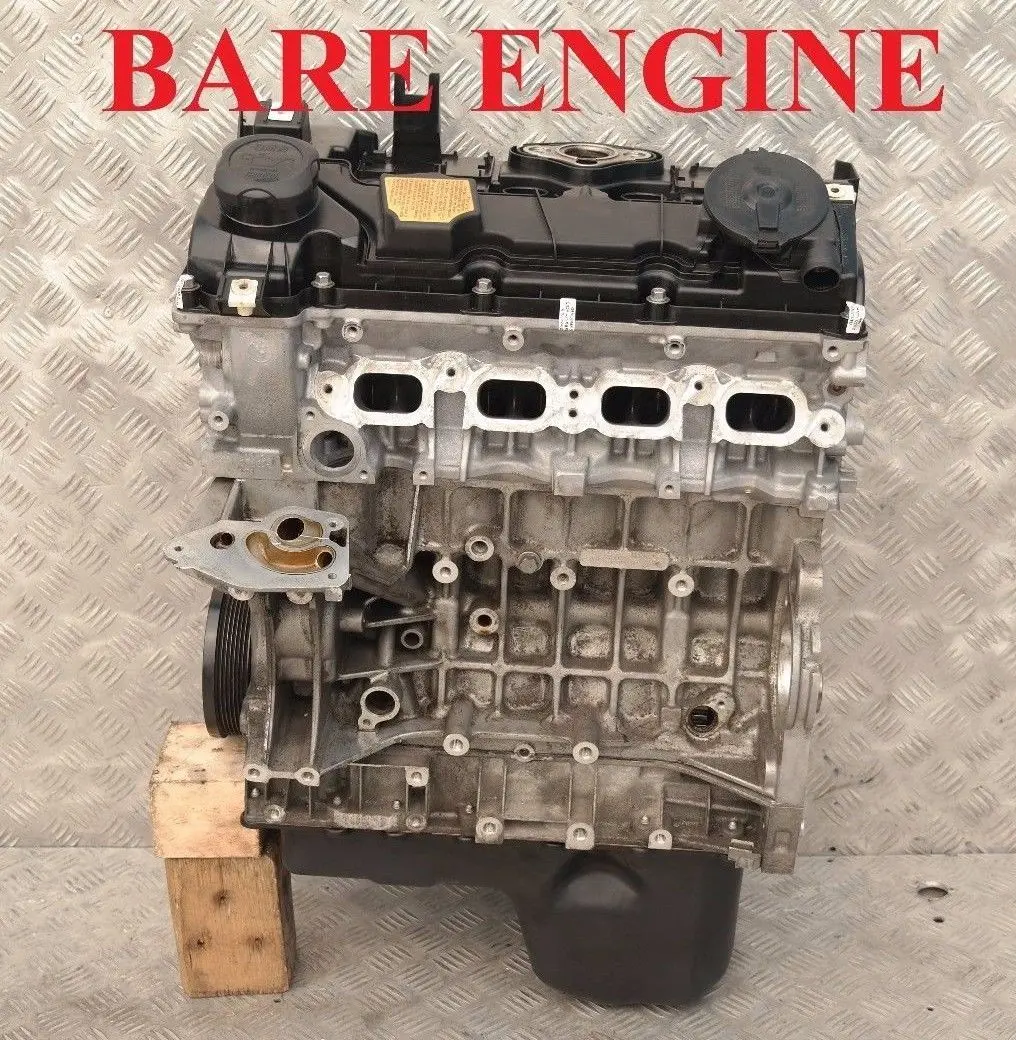
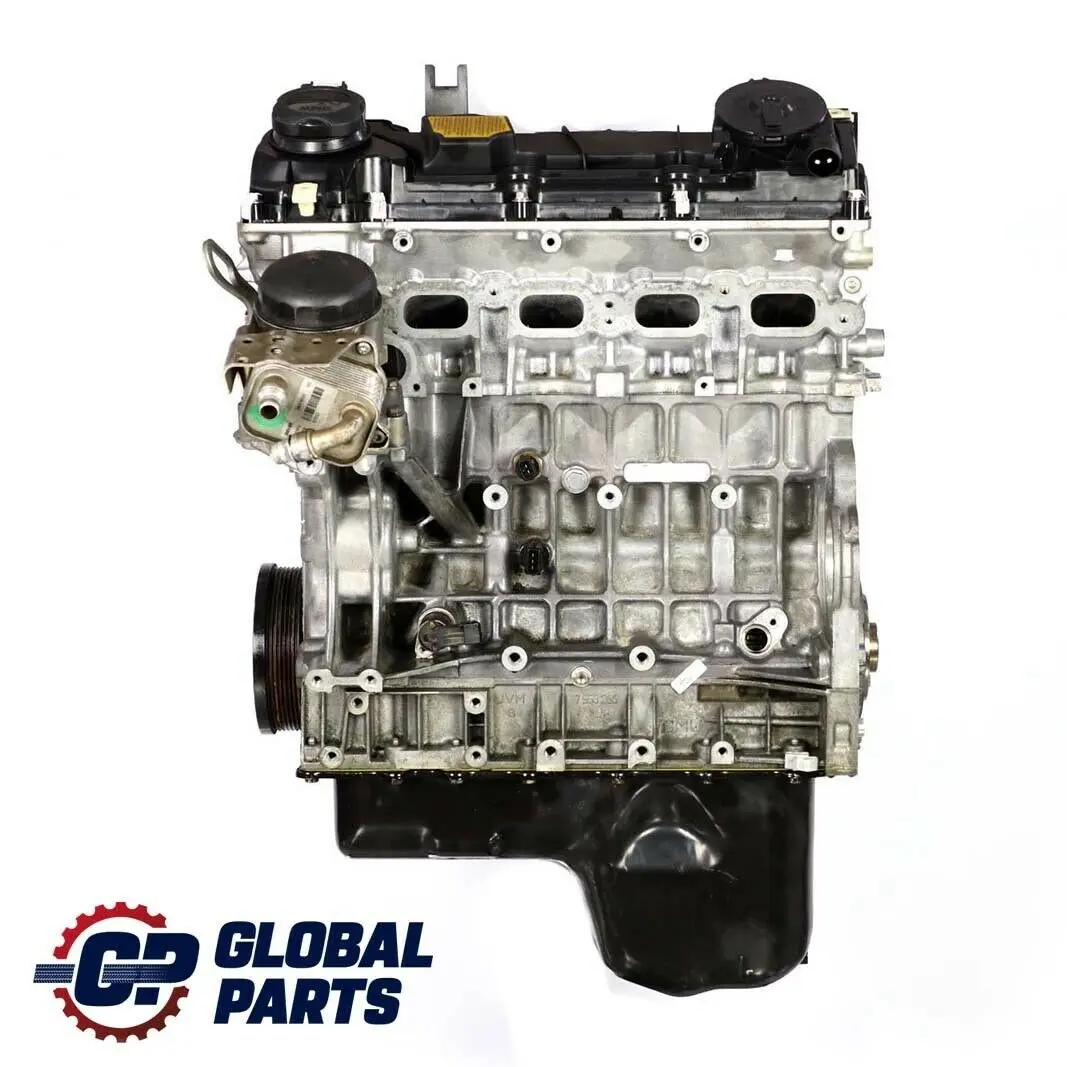
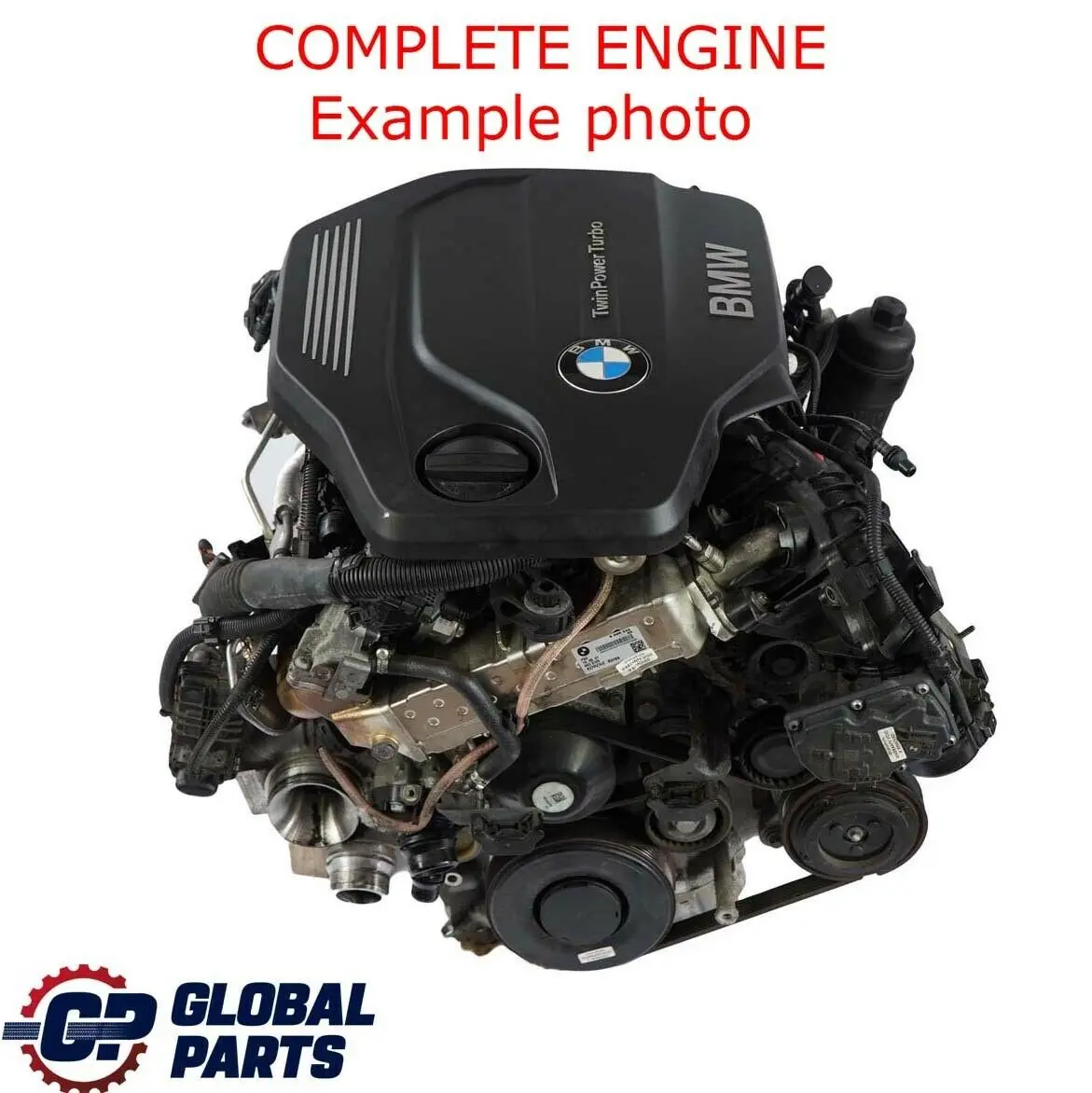
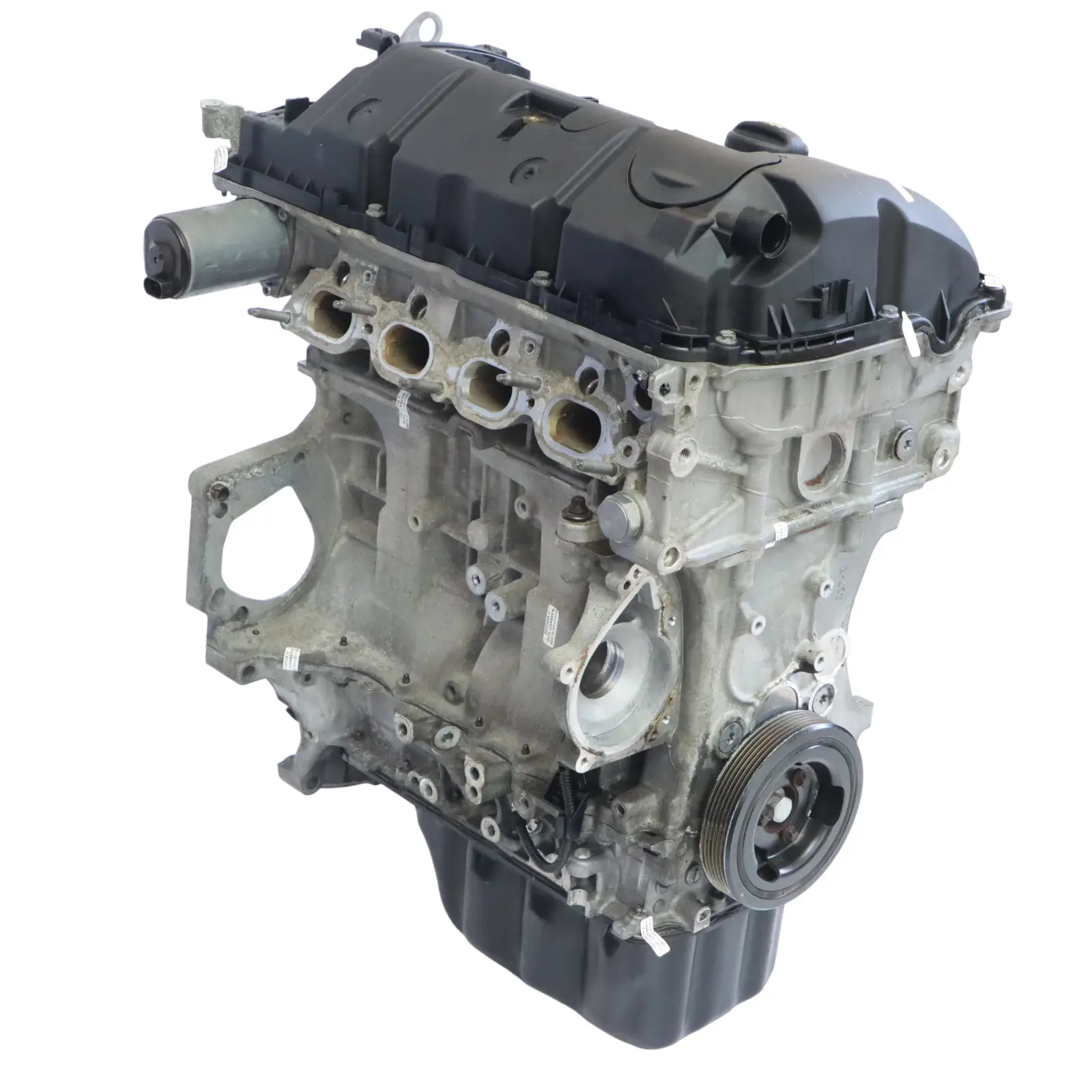
Extreme engine overheating often leads to irreversible changes in the material structure, such as cylinder head deformation or piston seizure. In such situations, a complete overhaul is often uneconomical, and the only sensible economic solution is a complete used engine from a reliable source. When deciding on a cylinder head swap, it's essential to verify the condition of the donor's cooling system, as it was often the cause of problems in the previous car. A BMW engine purchased on the aftermarket should have its water pump and thermostat inspected before installation. Installing new gaskets and flushing the cooling system are mandatory steps for such an operation.
A4 B8 thermostat and BMW E60 thermostat – details when replacing the engine
When replacing a powertrain, it's easy to overlook small components that are crucial for future operation. The Audi A4B8 thermostat in the 2.0 TDI engine is integrated into the housing and is often damaged when removing the hoses, so it's worth installing a proven component right away. In the case of BMWs, the BMW E60 thermostat (especially in the N52 petrol engines) is controlled by an electrical map, meaning the computer can force it to open before boiling point is reached. Installing a used engine with a faulty phase-shift thermostat will quickly lead to a repeat failure.
Common cooling system faults and their symptoms in popular models
Types of thermostats and fan controls
| Model and part | The main symptom of failure | Risk to the engine | Recommended verification |
|---|---|---|---|
| BMW E46 (Tank) | Longitudinal crack, fluid leak | Sudden loss of pressure, head overheating | Checking the production date on plastic |
| Mercedes W211 (Oil cooler) | Presence of oil in the coolant (butter under the cap) | Damage to the automatic gearbox, engine seizure | Test for the presence of glycol in ATF oil |
| Audi A4 B8 (Thermostat) | Engine does not reach 90°C, fuel consumption increases | Problems with DPF, oil underheating | Computer diagnostics of temperature |
| BMW E60 / M57 (EGR Thermostat) | Temperature fluctuations, temperature drop when driving fast | Increased fuel consumption, low heating efficiency | Disassembly and blow-out test (must be tight) |
| Ford Fiesta MK7 (Fan) | Loud operation, no switching on | Overheating in traffic jam, head gasket failure | Checking the clearance on the fan bearing |
FAQ – Frequently asked questions about the cooling system
| Component type | Example application | Principle of operation | Operating notes |
|---|---|---|---|
| Wax thermostat | M57 thermostat, VW Polo thermostat | Opening due to thermal expansion of the wax | Simple, reliable, but slow to respond |
| Phase (map) thermostat | Thermostat BMW E60 (N52), Mini | ECU-controlled electric heater speeds up opening | Allows the engine to operate at higher temperatures (ecological) |
| Wisko fan | BMW E46, Audi A4 B5 fan | Viscous clutch reacting to the air temperature from the radiator | Requires hot/cold resistance testing |
| PWM fan | Audi A3 8P fan, BMW E90 fan | Smooth speed regulation with an electric signal | Sensitive to damage to the control module |
| Question | Expert Answer | ||
| --- | --- | ||
| What is the difference between a water cooler and an oil cooler? | The water cooler is responsible for lowering the temperature of the coolant circulating in the engine block, while the oil cooler (often smaller) cools the engine or transmission oil, preventing its thermal degradation. In some cars, such as the Mercedes W211, they are integrated. | ||
| What are the symptoms of a faulty EGR thermostat in a BMW? | The main symptom is the engine's inability to reach operating temperature (the needle doesn't reach the vertical line), even though the main thermostat is working. The temperature often drops when driving at high speeds and rises in traffic. | ||
| Does the air conditioning fan affect engine cooling? | Yes, in many models (e.g., BMW E39, E46), the air conditioning fan functions as an auxiliary fan. If the main fan is not expelling air, the electric fan assists in cooling the engine, preventing overheating. | ||
| Is a used oil cooler safe? | Yes, provided it comes from a reputable source (like Global Parts), is leak-free, and has been thoroughly rinsed. Avoid radiators that have been damaged by accidents, as they may have microcracks invisible to the naked eye. | ||
| What does the coolant warning light mean in a BMW E90? | This could indicate a low fluid level (leak) or engine overheating. In the E90, the water pump is electric and can fail suddenly. If this happens, stop the vehicle immediately to avoid engine seizure. | ||
| How to choose a fan for a Ford Fiesta MK7? | Check the OEM number on the old fan housing and the shape of the plug. Different versions are available depending on the engine (petrol/diesel) and the presence of air conditioning. Matching them "by eye" often results in incompatibility. |