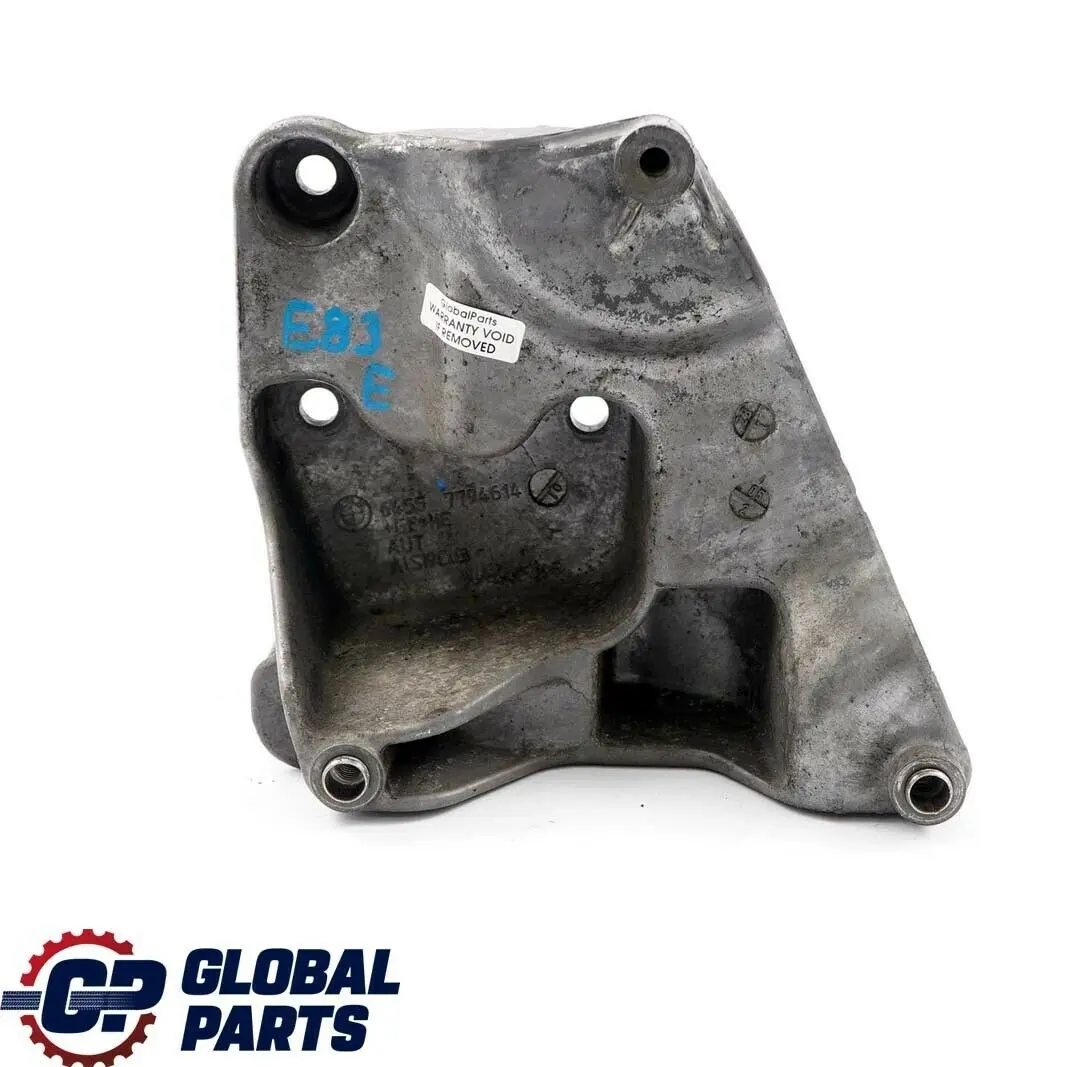
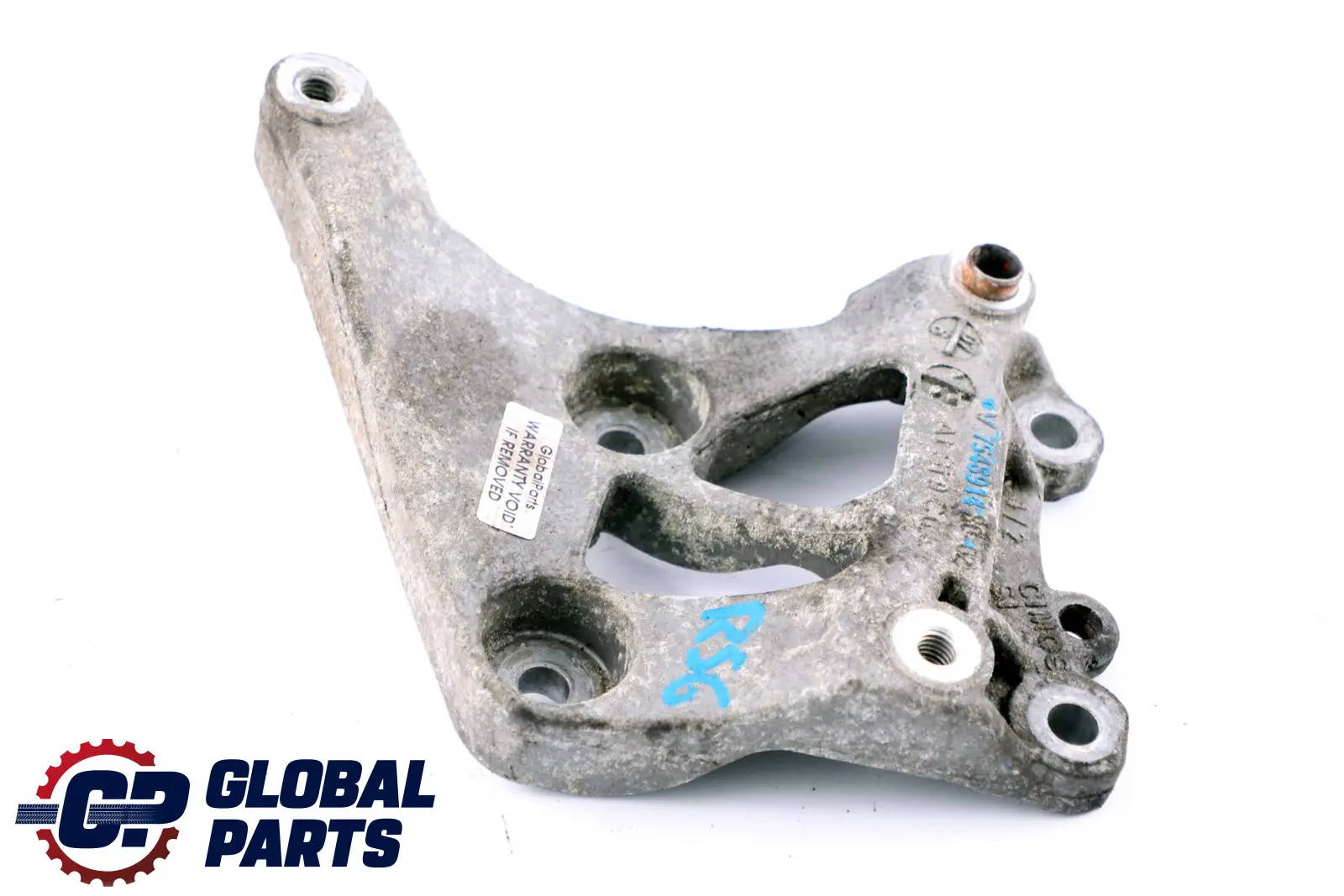
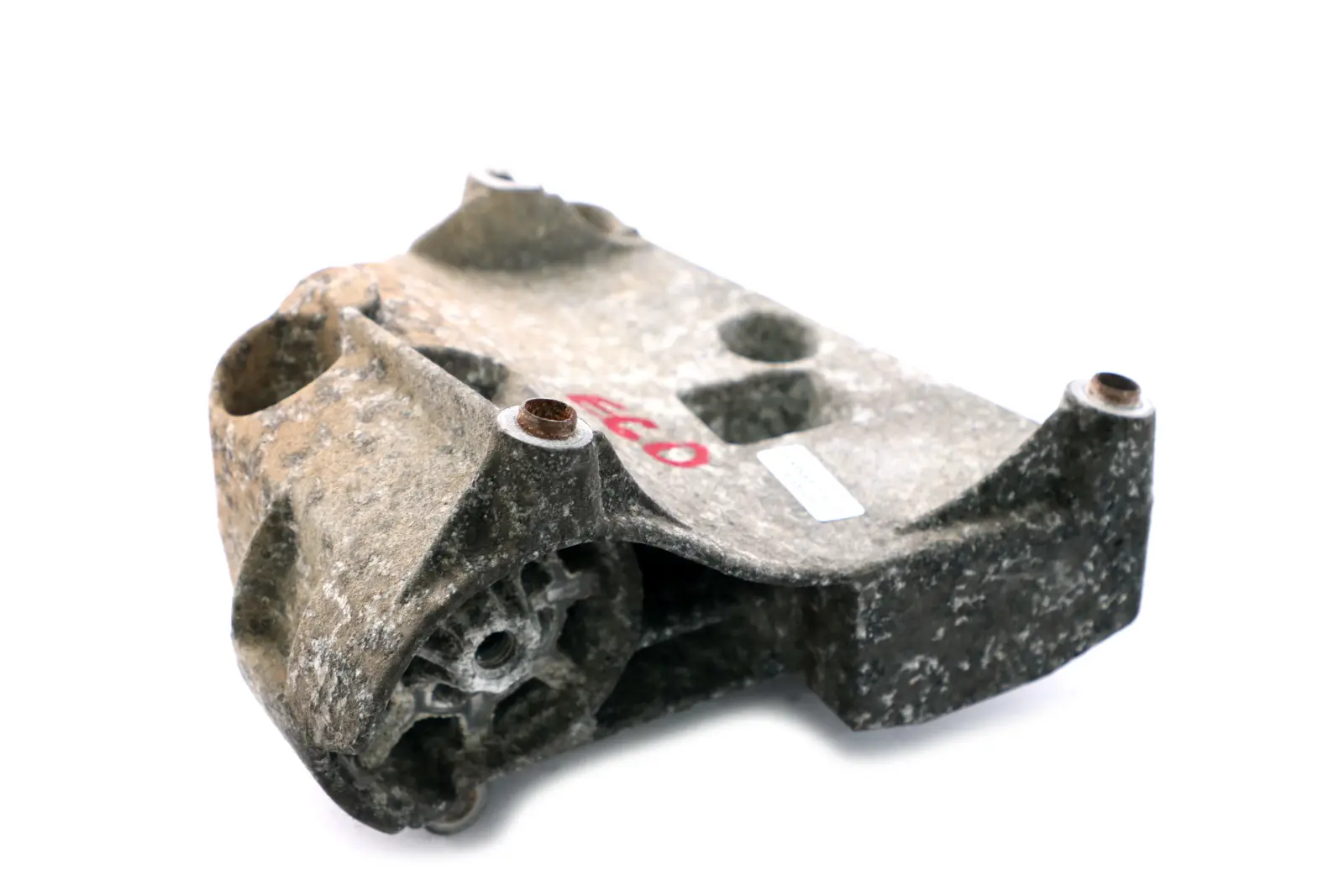
The fewest mistakes when purchasing parts occur when identification begins with the VIN and OEM number, rather than with a photo from an advertisement. Used car parts and used OEMs have an advantage when they fit mechanically and electrically without adapters or custom brackets. This is most quickly verified by the part's data plate and a photograph of the plugs or connectors with a measuring tape. The following guide organizes the selection process for typical categories: used engine (e.g., B58, N55, N47/N47D20C, M54B30), drivetrain ( differential, differentials), interior ( steering wheels, knobs ), and infotainment ( Audi A6 C6 BT module, Parrot CK3100 ). The included checklists and tables help shorten correspondence with the seller and reduce returns. Global Parts supports the assembly of kits and accessories for quick and predictable installation.
Why VIN and OEM Number Reduce Mistakes
Two identifiers reveal what's not visible in the photo: harness version, year changes, port diameters, and types of connectors and brackets. The VIN describes the vehicle's configuration (engine, transmission, equipment), while the OEM number indicates the specific part manufacturer's reference. In practice, the seller is asked to remove the plate and connectors, compare the suffixes in the number, and check whether the brackets and embossing look the same as on the removed component. In components with ports (e.g., oil filter base, EGR valve, coolant lines), a difference of 1-2 mm determines tightness. In electronics, hardware and software versions are important, but within a single generation, compatibility is usually complete.

One message to the seller that saves time
Ask for: a photo of the OEM number plate, photos of the connectors/pins, photos of the brackets and mountings, information about the donor (year, power, body), and a brief verification of its operation in the car or on a bench (if it's electronic). It's worth specifying that the part should fit without adapters. Ask the mechanic to confirm there are no gaps or leaks. This way, a complete answer will be provided immediately.
Used engine – what to check before it goes on the lift
Engine family names (B58, N55 engine, N47/N47D20C, M54B30 ) is just the beginning; the model years, manifold, water/oil connections, and wiring harnesses are important. It's safest to use a post or long-block from the same generation, and install new consumables (gaskets, bolts, fluids, filters). With the B-series, removing the connections and oil filter base resolves most installation questions, while with the N-series, a pneumatic valve and EGR valve compatible with the existing hardware are often added. It's worth preparing a clean intercooler and intake to prevent oil residue from spoiling the first start-up. If a compression test isn't possible, photos of the intake ports and confirming the donor's history are crucial.
What to carry over from the old engine
Temperature and pressure sensors, the correct generation fuel rail, throttle body, pneumatic/EGR valve (if different versions), pulleys, brackets, and covers. First, the wiring harnesses are identified, followed by the cables and hoses to avoid backtracking during assembly. After the first start-up, check the adaptations, temperatures, and leaks – this is the quickest way to check that everything is working properly.
Differential and differential gears – compatibility over appearance
Two similar differentials can have different gear ratios and flanges, which can cause problems when tightening the driveshafts. In 4x4 vehicles, the front and rear gear ratios must be identical; misalignment damages the clutches and causes traction errors. It's most convenient to buy a complete set: differential, driveshafts, bolts, and seals – a single installation, fewer surprises. In platform families (e.g., BMW HB4 ) ABS sensor versions (Hall/Inductive) are important for electronics – a photo of the sockets saves questions. After installation, drive at a constant speed and touch the housing – the temperature should rise slowly and remain moderate.
What to ask when buying a differential
The gear ratio, flange type and bolt spacing, sensor version, angular clearance, and any locking device. A photo of the plate and flanges are the most important attachments.
Interior – steering wheels, knobs, panels
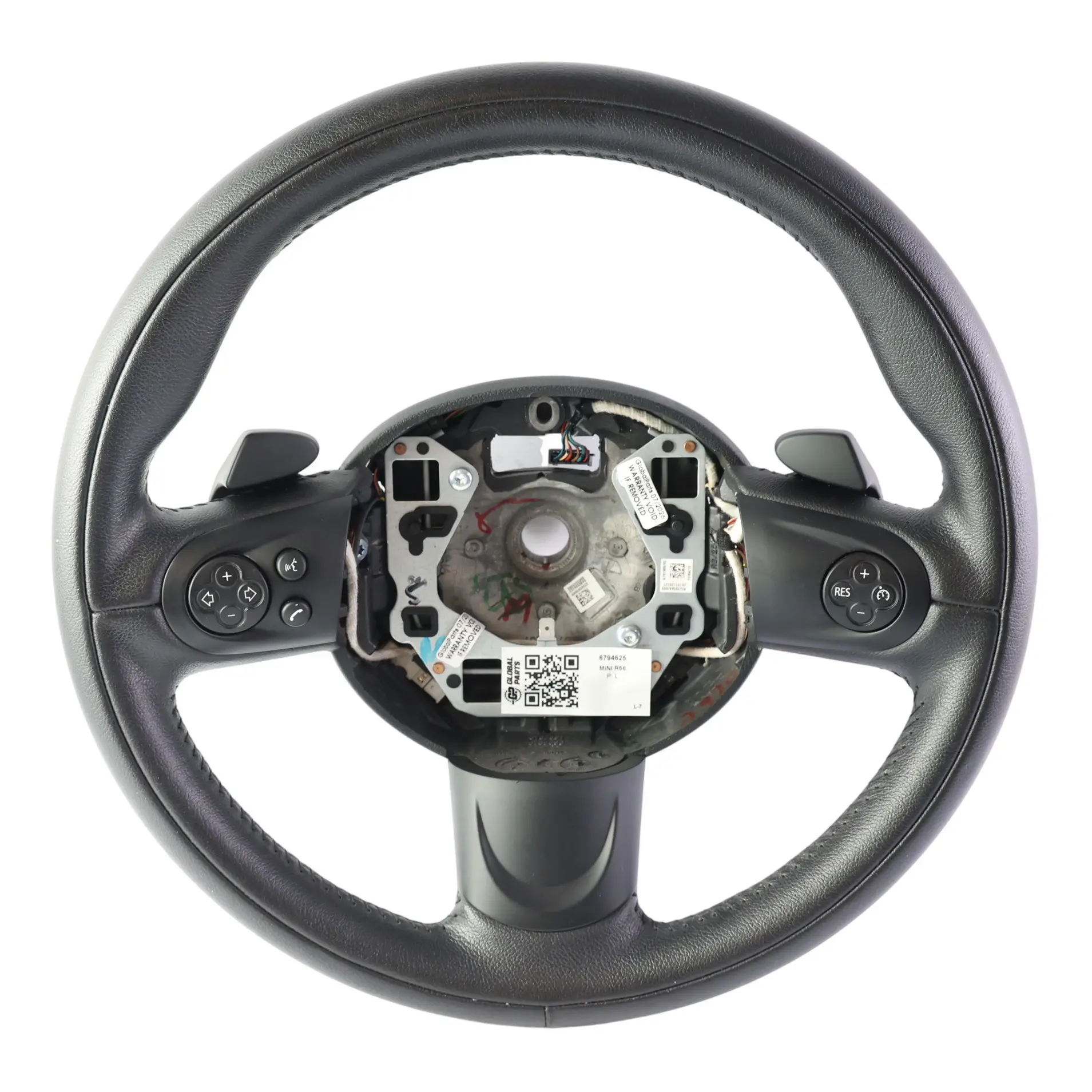
Tactile elements make the biggest difference in the perception of a car: steering wheels (e.g. the steering wheel of the Audi A6 C7, BMW E90/E60 M-package steering wheels), gear shift knob, console panels. It's best to buy them with the ribbon cable/rings and button module – then installation is a matter of switching, not struggling with wiring. For infotainment (e.g., Audi A6 C6 BT module, Parrot CK3100), a complete set with a frame and cables speeds up installation and reduces the risk of function failure. For steering wheels, always disconnect the battery and make sure the airbag frame and connector match the controller. The interior quickly "refreshes" without interfering with the mechanics, and the car regains its modern feel.
Interior Checklist
Does the kit include tape/wreaths and a button module? Does the cushion connector fit? Are the frames and clips complete? Is the stitching in good condition and requires no sewing? These four points make assembly a one-stop shop.
Parts with stubs – precision in millimeters
EGR, oil filter base, cooling lines and intake manifolds vary in port diameter, even within the same model. It's easiest to ask for a photo with a measuring tape, compare it to your own part, and only then place your order. After installation, check for leaks after a few drives and check operating temperatures. In petrol engines, after replacing the oil filter base, it's worth checking the idle speed adaptation, and in diesel engines, check the EGR position. It's better to choose an original, used part from the same family than to forcefully compress the hose with a hose clamp.
A short acceptance report after installation
Engine dry after 24 hours, no oil mist at the ports, stable temperature, no adaptation errors. If in doubt, replace the clamps and check the torque.

How to write to a car shop to buy once and for all
It's best to include the VIN, OEM number (if known), photos of the plugs and nipples with a measuring tape, a few shots of the brackets, and a brief description that the part should fit without adapters. It's a good idea to include the city or contact channel (e.g., Poznań automotive store) and the model/year in the subject line – the seller will find the right warehouse more quickly. For complete sets (differential + driveshafts; steering wheel + ribbon cable + buttons), it's a good idea to ask for a photo of the entire set. Two references to matching numbers in the entire correspondence will be sufficient.
TABLE – quick selection map: category → what to compare → question to the seller
| Category | What to compare at the start | A question that saves time |
|---|---|---|
| Used engine (B58/N55/N47/M54B30) | water/oil connections, harnesses, collector | "Will you send a photo of the plate and the nozzles with the measuring tape?" |
| Differentials | gear ratio, flanges, sensors | "What's the number on the plate and the pictures of the flanges?" |
| Interior (steering wheels/knobs/panels) | airbag plug/tape, frames, garlands | "Is this a complete set with ribbon cable and button module?" |
| Infotainment (BT/navi) | plugs/frame, supported protocols | "Do you have a kit with a frame and cables?" |
| EGR/Filter Base | nozzle diameters, seals | "Can you check the diameter of the nozzle in the photo?" |
FAQ – selecting parts by VIN and OEM number
| Question | Short answer |
|---|---|
| What is the difference between VIN and OEM number? | VIN describes the car, OEM identifies the specific part. |
| Are both always needed? | Together they reduce errors; the minimum is one of these plus photos of the connections/pipes. |
| Where do I get the OEM number? | From the nameplate, manufacturer's catalog or photos of the old part. |
| What if the part looks identical? | Check the dimensions of the connectors, plugs and handles – differences can be seen during assembly. |
| Is used OEM risky? | With the same part number and generation, installation is usually faster and cheaper than a replacement. |
| How to buy electronics safely? | Photos of plugs and software versions, complete with frame/harness, test after assembly. |
| What makes filing a complaint easier? | Photographs: plate, connector/pipe and overall frame. |