A Porsche 911 doesn't need random modifications to continue enjoying its ride—often, restoring its functionality and factory details is enough. An original wheel, the right bracket, or a well-maintained interior component from a disassembly can play just as important a role in this as new consumables. Sound car maintenance begins with distinguishing between these two groups, instead of choosing everything based on a single rule. A used part should replace a specific damaged component, not be used to postpone a needed repair. At Global Parts, you can check the availability of components for your Porsche and consult on the fitment of your chosen model. Examples of 911s and other models of the brand demonstrate where original parts from a disassembly make sense, and where new wear parts and specialized service are more important. Contents
- Porsche 911: Where does a sensible service plan begin?
- 911 rims: when is it worth replacing one rim?
- Used 911 Engine: What Does the Bare Pillar Really Cover?
- Boxster and Cayman: common solutions, different applications
- Cayenne: drive and pneumatics require separate diagnosis
- Macan: why is the car version so important?
- Panamera: comfort and electronics without trial replacement
- Taycan: used body parts and high-voltage system
- Classic Porsches: from 356s to transaxles
- How to combine used originals with proper handling?
- FAQ - Porsche spare parts
Porsche 911: Where does a sensible service plan begin?
First, you need to determine the car's generation, drivetrain version, and the actual scope of the problem. The 911 designation encompasses designs that differ significantly in cooling methods, hardware, and equipment. The boundary between the 993 and 996 generations clearly illustrates the scale of these changes: the 996, introduced in 1997, was the first production 911 with a liquid-cooled engine. Therefore, the solutions from earlier air-cooled cars do not constitute a universal benchmark for later models. Therefore, complete part interchangeability between the Carrera, Turbo, and GT variants should not be assumed within a single generation. Therefore, it is advisable to identify used Porsche 911 parts by their full part number and confirmed application, rather than by engine displacement alone. A good plan separates the replacement of damaged components from work on the basic engine structure and from refreshing the appearance. This allows for the restoration of additional functions without purchasing larger components that do not require repair.
The engine mount and the cushion are not the same thing
The metal bracket is responsible for securing the assembly, while the mount works in conjunction with it to limit the transmission of vibrations. In a Porsche 911, the engine mount should be identified on the parts diagram, as the offer name may refer to a bracket, beam, or a larger assembly. An undamaged metal component from disassembly can be considered after inspecting the geometry, threads, and bolt locations. A crack or deformation is not a normal sign of use. A Porsche 911 engine mount requires a different assessment , as its performance depends on the condition of the damping elements. A well-maintained exterior does not confirm that the mount has maintained its proper parameters. Vibrations at idle should first prompt a mechanic to check the engine and its entire support system. Selecting a functioning mount from disassembly may therefore require the installation of a new mount, if its condition so requires. Removing the mount requires secure support for the drivetrain and should be performed by a workshop.
Does a lambda probe error mean it needs to be replaced?
Not always, as an incorrect signal can also be caused by a wiring fault, power supply failure, or an exhaust leak. In a Porsche, the lambda sensor It must be compatible with the specific engine and mounting location. The sensor upstream of the catalytic converter is involved in regulating the mixture composition, while the additional sensor downstream of the catalytic converter is primarily used to monitor its operation. A similar plug alone does not confirm the interchangeability of these components. A mechanic should check the heater circuit, connections, and operating parameters appropriate for the specific sensor type. If the cause is a leaky exhaust connection, purchasing a sensor does not replace removing the blow-by. The sensor is also subject to aging and contamination, which cannot be reliably assessed from a photo. If wear is confirmed, a new component with the correct specifications is a sensible choice, rather than another sensor with unknown parameters. In this case, reducing unnecessary expenses primarily involves avoiding an inappropriate replacement.
911 rims: when is it worth replacing one rim?
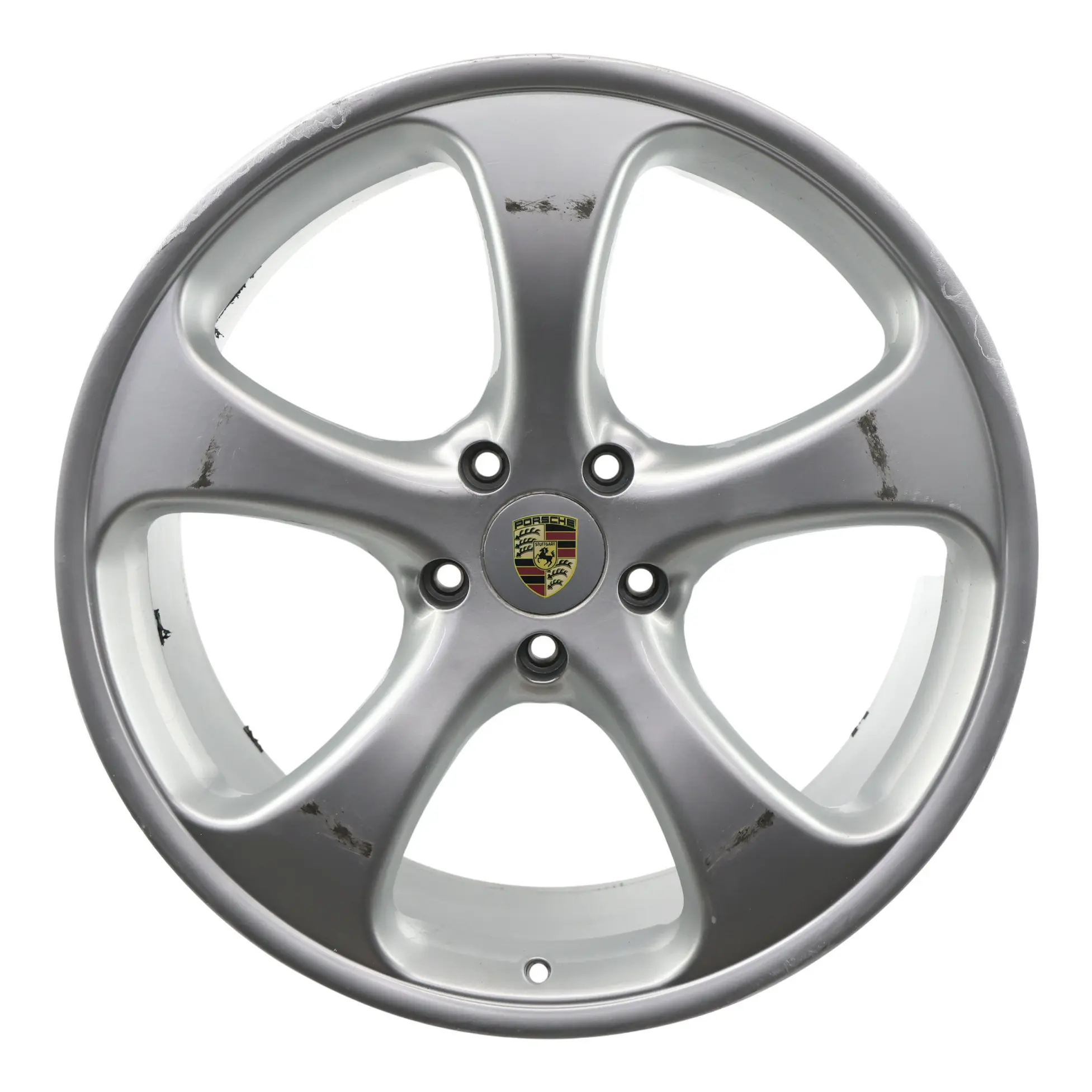
One wheel can be replaced with a compatible one if the other wheels are functional and there is no need to replace the entire set. The condition of the wheel and its intended use on the correct axle must be confirmed. In a Porsche 911, the wheel Front and rear wheels may differ in width, offset, and in some generations, even diameter. It's also important to distinguish bolt-on wheels from center-mount versions, found on select 911 GT3s, among others. Original Porsche rims should match the brake configuration and intended tires, not just the spoke design. Before purchase, a workshop should check for runout, edges, mounting surfaces, and any signs of previous repairs. A cracked or deformed rim should not be accepted as a ready-to-install part, even if its paintwork looks fresh. After hitting a curb, the tire and the corresponding suspension section also require inspection, as simply replacing the rim may not complete the repair.
Used 911 Engine: What Does the Bare Pillar Really Cover?
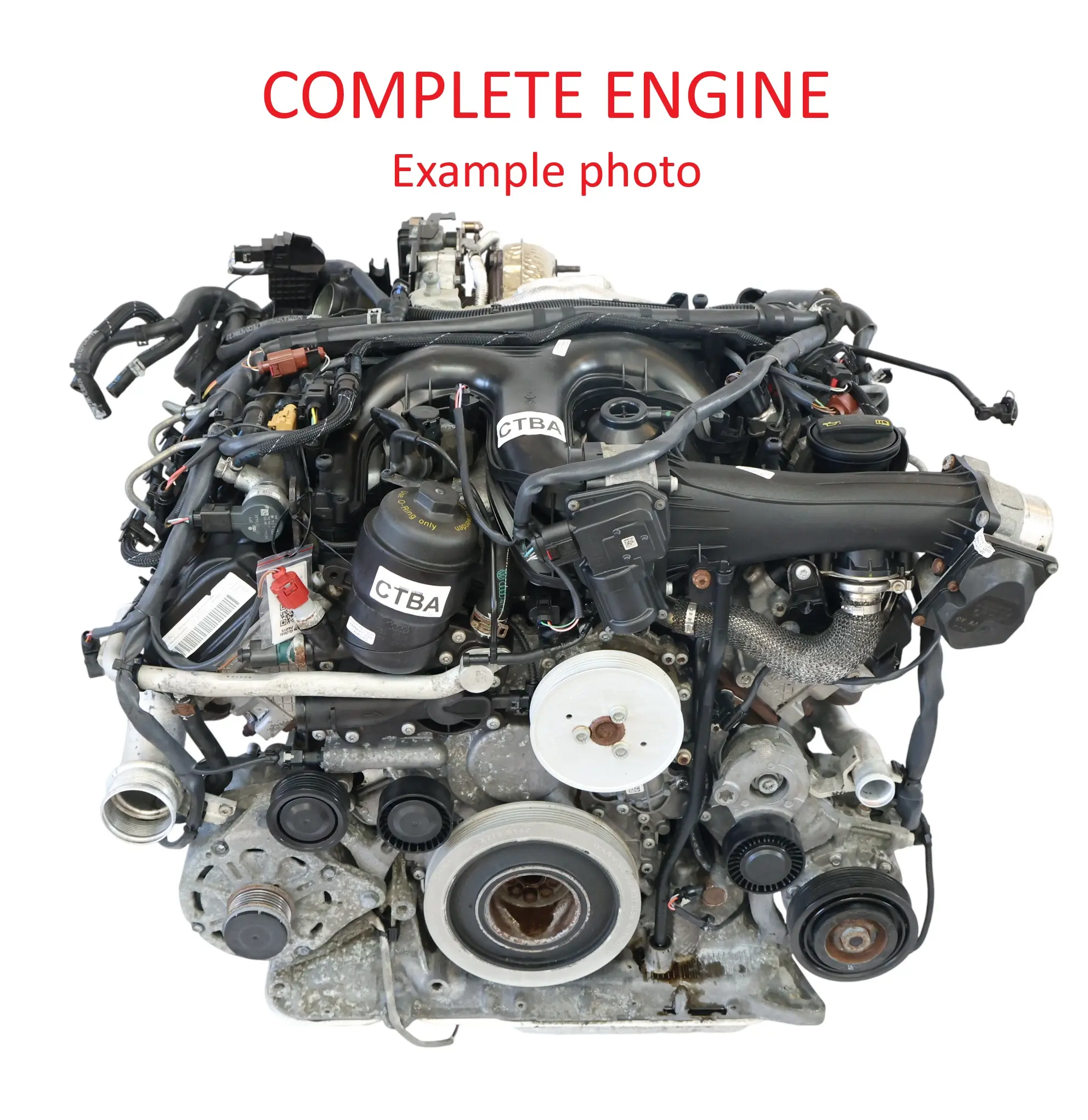
The term "bare pillar" usually describes the basic engine assembly without all external accessories. However, it is not a uniform commercial specification and therefore requires a detailed list of the components included in the delivery. The description " Porsche engine bare pillar" "requires clarification as to whether the kit includes a block with a crankshaft and cylinder heads, and which accessories are not included. Before purchasing, the workshop should compare the full engine code and determine which parts can be transferred from the existing engine. If the selected Porsche engine without accessories is to replace a damaged unit, the cause of the previous failure must first be identified. Leaving a cooling or lubrication problem can also jeopardize the installed unit. When assessing the condition, the specialist can use the results of compression pressure measurements, cylinder leak tests, and endoscopic inspections, depending on the design and inspection possibilities. Commissioning materials and mileage information are helpful, but do not replace a full identification and technical evaluation of the parts.
Boxster and Cayman: common solutions, different applications
The Boxster and Cayman with internal combustion engines utilize a mid-engine layout, different from the rear-engine design of the 911. However, model similarities can aid in finding specific parts if the catalog confirms interoperability. Interestingly, the 986 Boxster and 996-generation 911 share extensive design features, including the front end and interior trim. Therefore, Porsche Boxster 986 parts may also be applicable to other models, but this does not necessarily mean that every engine, mount, or trim element is compatible. Porsche Cayman 987 parts, on the other hand, should be selected for the correct year and version, without automatically identifying them with components from the later 718 family. When restoring the interior, a proven panel or air vent from disassembly allows for the preservation of the correct texture and mounting method. If you have trouble lowering the window, you need to determine whether you need the glass, the lift mechanism, or the drive. A thorough understanding of the scope of the purchase is more helpful than simply searching for a part described as compatible with the sporty Porsche.
Cayenne: drive and pneumatics require separate diagnosis
The Porsche Cayenne has a unique technical history: the first generation offered a reduction gear and the option of a fully locking center differential. Individual generations differ in their drivetrain and suspension design, so the model name alone is insufficient for component selection. If a car with air suspension sags after a standstill, don't automatically assume a compressor failure. A Porsche Cayenne's intensively working suspension compressor can only replenish air lost through a leaky bellows, hose, or valve block. Replacing the compressor without repairing the leak exposes another component to overload, so an inspection of the entire circuit and the required height adjustments is necessary. The Porsche Cayenne's driveshaft is a separate issue ; vibrations require an assessment of the joints, supports, and geometry of the assembly, based on its design. The source of the vibrations must be located regardless of any potential issues with maintaining body height. Work on the air suspension and driveshaft should be performed by a specialist, safely supporting the vehicle and following appropriate procedures.
Macan: why is the car version so important?
The Porsche Macan is available in combustion and electric versions, which are not a single car with a different power source. Selection requires identifying the specific generation, model, and equipment. A sample Porsche Macan headlight should be compared in terms of lighting technology, markings, mountings, and intended control functions. A housing alone is not equivalent to a lamp with all the required modules. If you need a Porsche Macan mirror, it's worth determining the scope of folding, heating, and other equipment included with the specific model. Before ordering, also check whether the purchase includes the entire assembly or just the housing or insert. A used original can help replicate the factory finish, but should maintain functional mountings, connections, and functions. Any coding or adjustments after installation should be coordinated with the service center, rather than having to discover this need after disassembling the car.
Panamera: comfort and electronics without trial replacement
The Panamera debuted in 2009 and demonstrated that Porsche's character could also be found in a four-door Gran Turismo. However, its equipment requires precise differentiation between versions, especially in the drivetrain, suspension, and cabin electronics. The Porsche Panamera 970 parts sought can be found in cars with significantly different mechanical configurations. An interesting example is the transmission: the first generation used PDK, but the diesel and hybrid versions used an eight-speed automatic, so not every Panamera transmission is PDK. The Porsche Panamera radio requires equally careful selection, which must be identified as the correct multimedia system unit, taking into account the associated accessories. The lack of sound does not necessarily indicate damage to the screen or head unit itself, so power supply and audio system diagnostics are necessary. Compatible panels, grilles, and covers with functional fasteners are a good place to use original equipment when repairing the interior. Limiting the replacement scope to the truly damaged component allows for the preservation of the equipment without rebuilding the entire system.
Taycan: used body parts and high-voltage system
The Taycan utilizes an 800V electrical architecture, so repairs to its drivetrain and battery require specialized preparation. However, this doesn't mean that every component of the car is a high-voltage component. Properly selected Porsche Taycan body parts, such as an undamaged fender or exterior cover, may be considered for repair after a workshop assessment. Their geometry, mounting, and compatibility with the specific body and equipment must be verified. Even with bodywork, the workshop must consider the routing of high-voltage cables and vehicle safety procedures. The traction battery, inverter, and electric drive unit should not be considered as items to be replaced independently after viewing photos. Turning off the car does not confirm the absence of dangerous voltage. Similar caution applies to Porsche hybrids, including the E-Hybrid and 918 Spyder variants, and the scope of inspection always depends on the specific vehicle's design.
Classic Porsches: from 356s to transaxles
Older Porsches don't stop at the 911: owners of the 356, 912, 914, and the 924, 928, 944, and 968 models all have their own needs. During restoration, both component functionality and period-correctness are important. The transaxle family, which includes the 924, 928, 944, and 968, combines a front-mounted engine with a rear-axle transmission, distinguishing it from the rear-engine 911. Therefore, the Porsche 944 parts you're looking for should be based on this design, not on general ideas about the brand's mechanics. A well-maintained switchgear, housing, or interior detail from a disassembly can help preserve the original appearance, provided its trim level matches. For a Classic Porsche, the manufacturer's catalogs with diagrams and part numbers are a useful reference point, including specific models like the 959 and Carrera GT. However, don't keep worn-out hoses, seals, or other consumables simply because they were originally assembled. Renovation makes sense when the original character goes hand in hand with technical efficiency, and does not replace it.
How to combine used originals with proper handling?
The most reasonable repair option often combines a proven component from disassembly with new assembly materials. The choice should be determined by the condition of the part, the vehicle's requirements, and the scope of work required for proper assembly. It's worth starting by separating the finishing elements, verifiable mechanical parts, and consumables. In the former group, the most important factors are usually the consistency of workmanship and mounting, while the latter may require measurements or operational tests. Filters, fluids, worn belts, spark plugs, and seals to be replaced should not be from a randomly used set. For electronics, it's important to confirm the compatibility of the specific unit in the car. At Global Parts, you can consult on the fit of the selected part, and arrange with the workshop for its inspection and full installation. The repair should conclude with a check of the function, tightness, and settings appropriate for the given system, not just confirmation that the part has been installed. The following breakdown helps you separate the purchase of a major component from the work that the car will still require.
| Part type | When is it worth considering an original from disassembly? | What should you not forget about when repairing? |
|---|---|---|
| Interior panel, grille or cover | When the version, finish and all mountings match. | Checking the hooks and operation of moving parts. |
| Metal engine bracket | When the absence of damage, correct geometry and conformity of workmanship have been confirmed. | Separate assessment of cushions, screws and other support. |
| Rim | When the unit is in working order and matches the correct axle and vehicle configuration. | Checking runout, tire condition, balance and proper mounting. |
| Engine without accessories | When the diagnosis justifies replacement and the condition and conformity of the unit have been checked. | Eliminate the cause of the previous failure and determine the completeness of the set. |
| Lamp or electronic device | When the performance, functions and required components of the set match. | Checking the connections, operation and necessary settings after assembly. |
FAQ - Porsche spare parts
Before selecting a component, it's important to separate its origin from its current condition and installation requirements. When requesting a part, be sure to have the full identification number, vehicle data, and photos of the current component ready. You can then compare the offer with the repair scope agreed upon by the workshop. If the kit includes additional components, their presence and condition should be evident from the description. Receipt of the shipment is the time to recheck the markings and completeness before assembly begins. This allows for clarification of discrepancies without disassembling functional vehicle components.
| QUESTION | ANSWER |
|---|---|
| What does a genuine used Porsche part mean? | This is a factory component that has been previously used. Its provenance does not replace confirmation of conformity or an assessment of its current condition. |
| What is the difference between an engine mount and a pillow? | A mount is a mounting element, such as a metal bracket. A cushion limits the transmission of vibrations; a functioning bracket does not necessarily indicate the functioning of the supporting cushion. |
| What does a bare engine post mean? | Typically, a basic engine assembly without all external accessories. The scope of such an offer is not uniform, so a detailed list of delivery items is necessary. |
| Can you use used car parts in a Porsche? | Yes, if the part is reusable and its condition, compatibility, and installation have been verified. This does not replace the required new consumables or service inspection. |
| Does each Porsche 911 rim fit a different version of the 911? | No. You need to compare dimensions, offset, mounting, intended use for a specific axle, and compatibility with brakes. The model or rim design alone is not enough. |
| Does a lambda probe error mean I need to buy a new sensor? | Not always. Diagnostics should also include hoses, power supply, and exhaust leaks. Only confirming the cause allows for determining the appropriate repair. |
| Can Boxster parts fit the 911? | Selected components may have common uses, as exemplified by the similarity between the 986 and 996 generations. However, the interchangeability of a specific part must be based on catalog data, not on the mere similarity of the cars. |