


Brake pads
More informationAt Global Parts, we offer a wide selection of original used car parts, including brake pads for many popular car brands such as BMW, Mini, Mercedes, Audi, Volkswagen, and others. Our brake pads undergo quality control to ensure you receive a top-quality product.
Make
Category
Subcategory
Condition
In Stock
Price
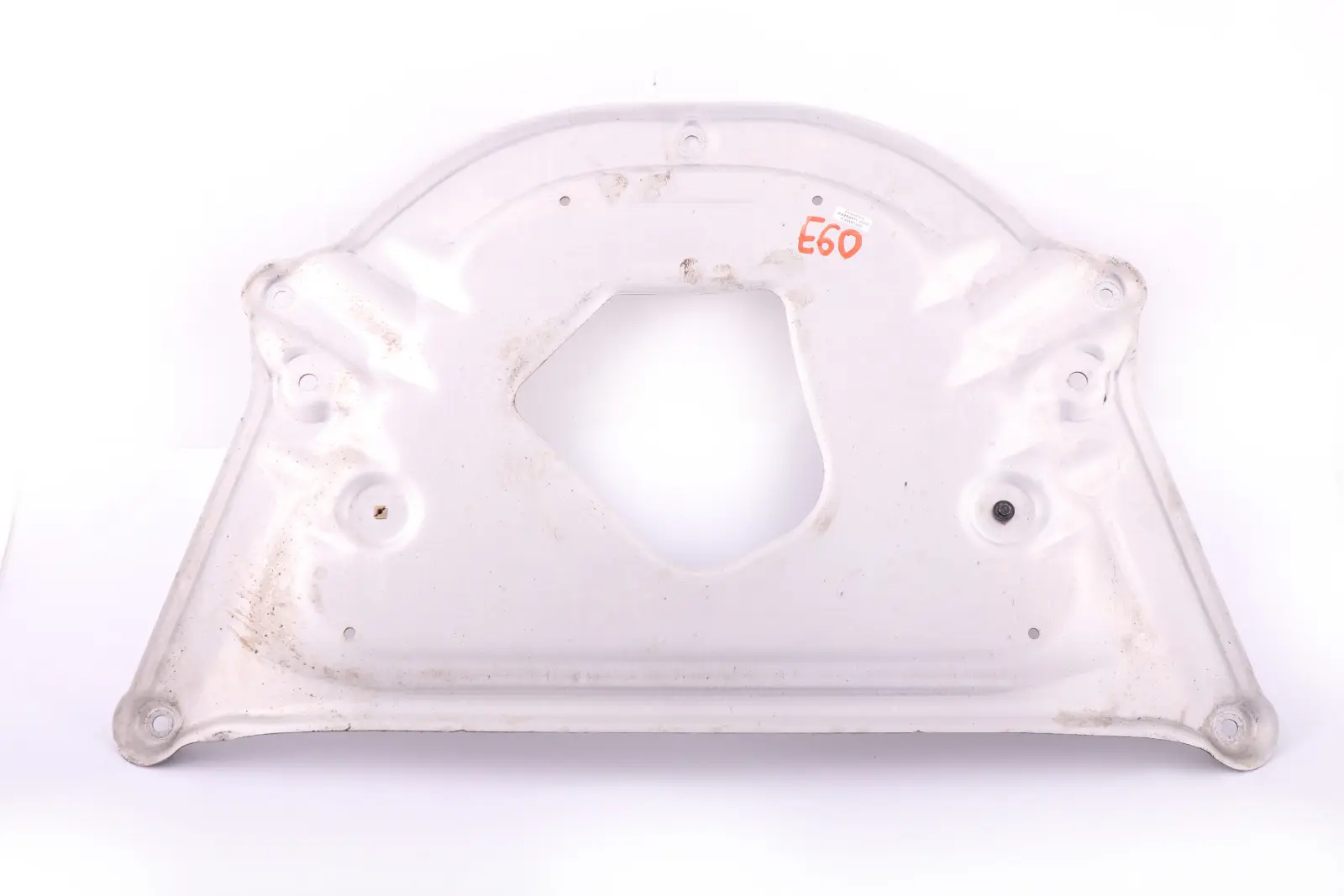
-5%
Part no. 6759878
Reinforcement Plate BMW E60 E61 E63 Front Axle Support 6759878
Promo price
€23.95
€22.75
Free delivery: Jun 26 – Jul 1
If paid before 14:00
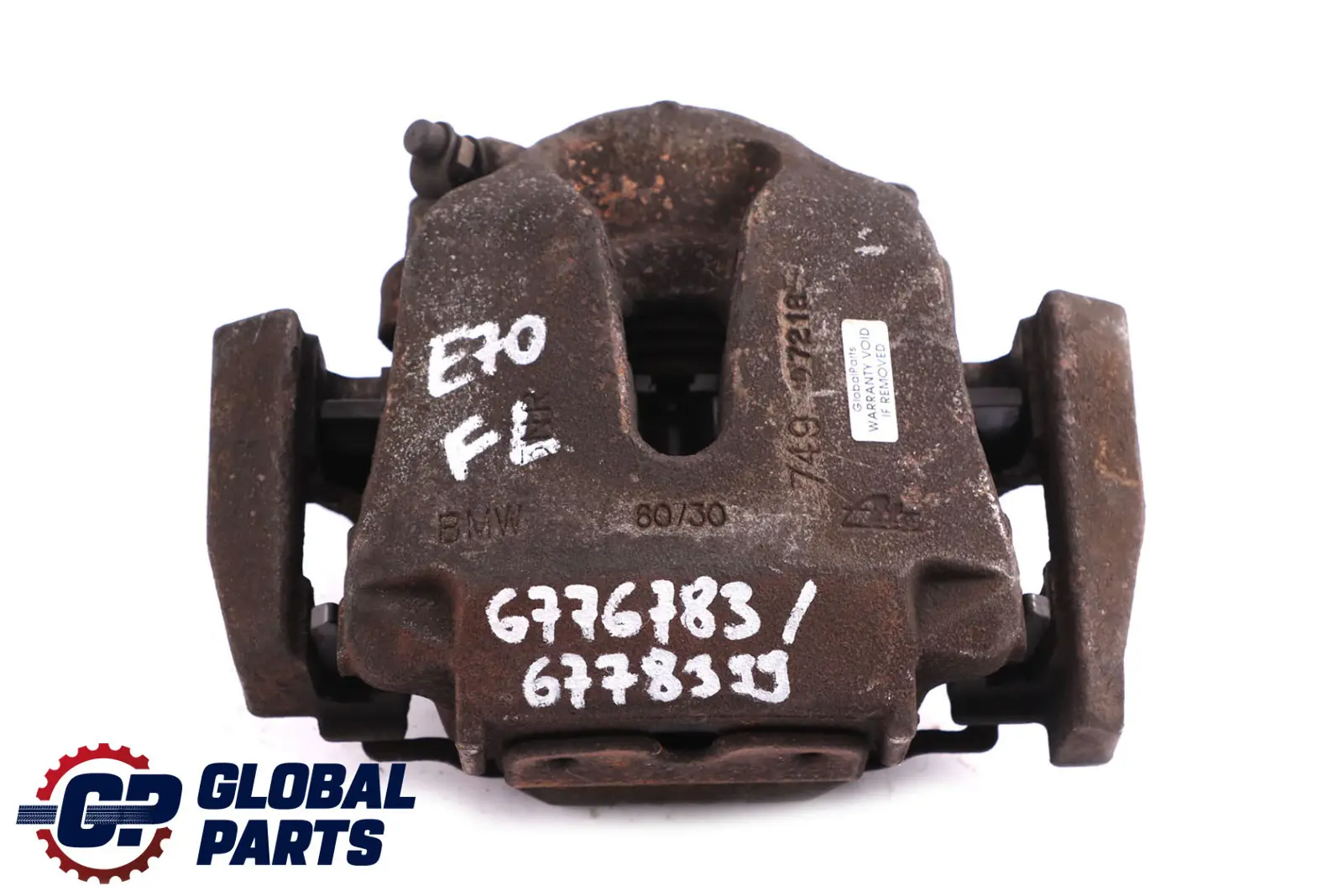
-15%
Part no. 6776783
BMW X5 X6 Series E70 E71 Front Left N/S Brake Caliper Housing Carrier 60/30
Promo price
€28.95
€24.61
Free delivery: Jun 26 – Jul 1
If paid before 14:00
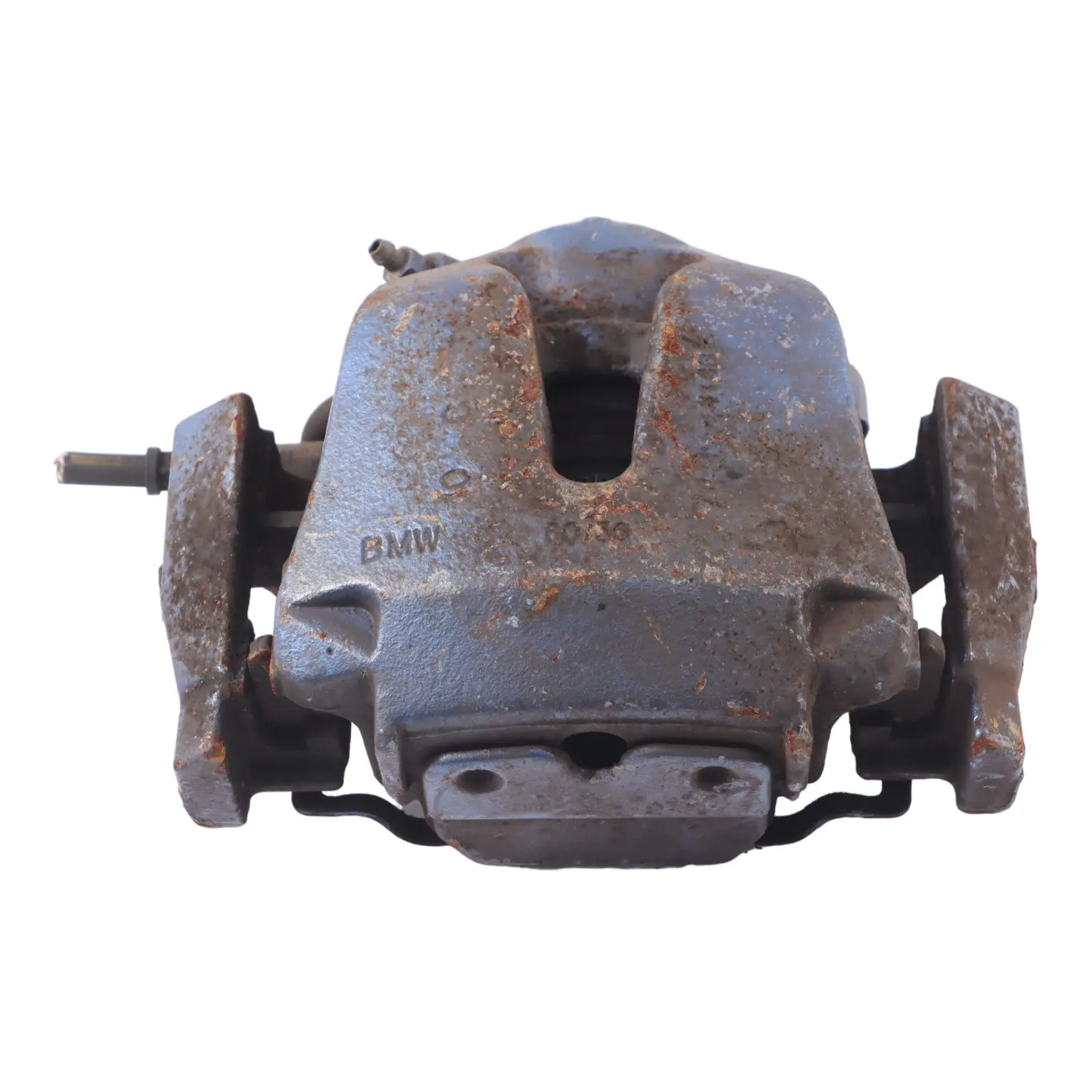
Part no. 6776783-1
Brake Caliper BMW X5 X6 E70 E71 Front Left N/S Brake Housing Carrier 60/30
€23.95
Free delivery: Jun 26 – Jul 1
If paid before 14:00
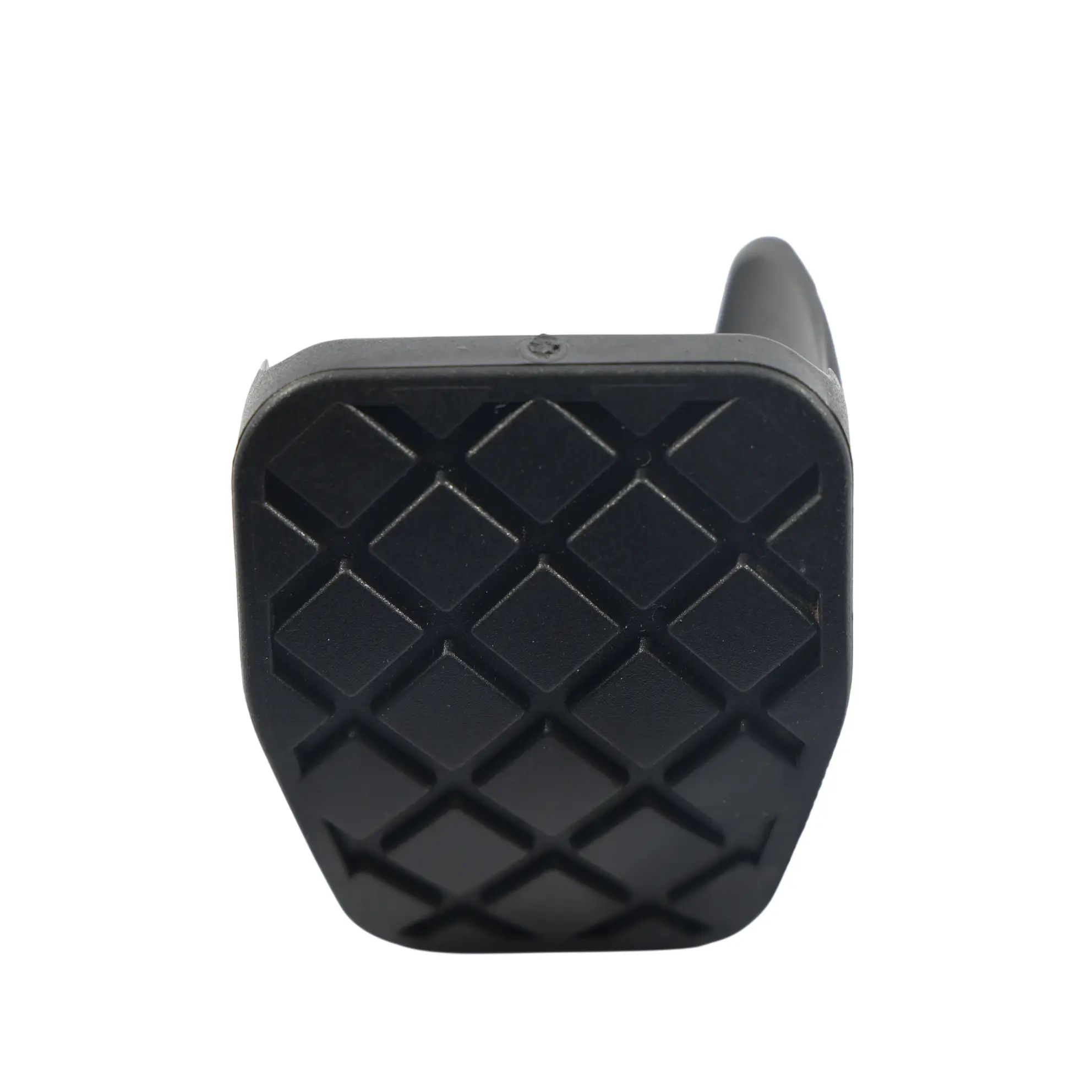
-5%
Part no. 1K0721173B
VW Tiguan 5N Golf GTI 1K Jetta A6 Caddy 2K Brake Pedal Cover Pad Cap 1K0721173B
Promo price
€23.95
€22.75
Free delivery: Jun 26 – Jul 1
If paid before 14:00
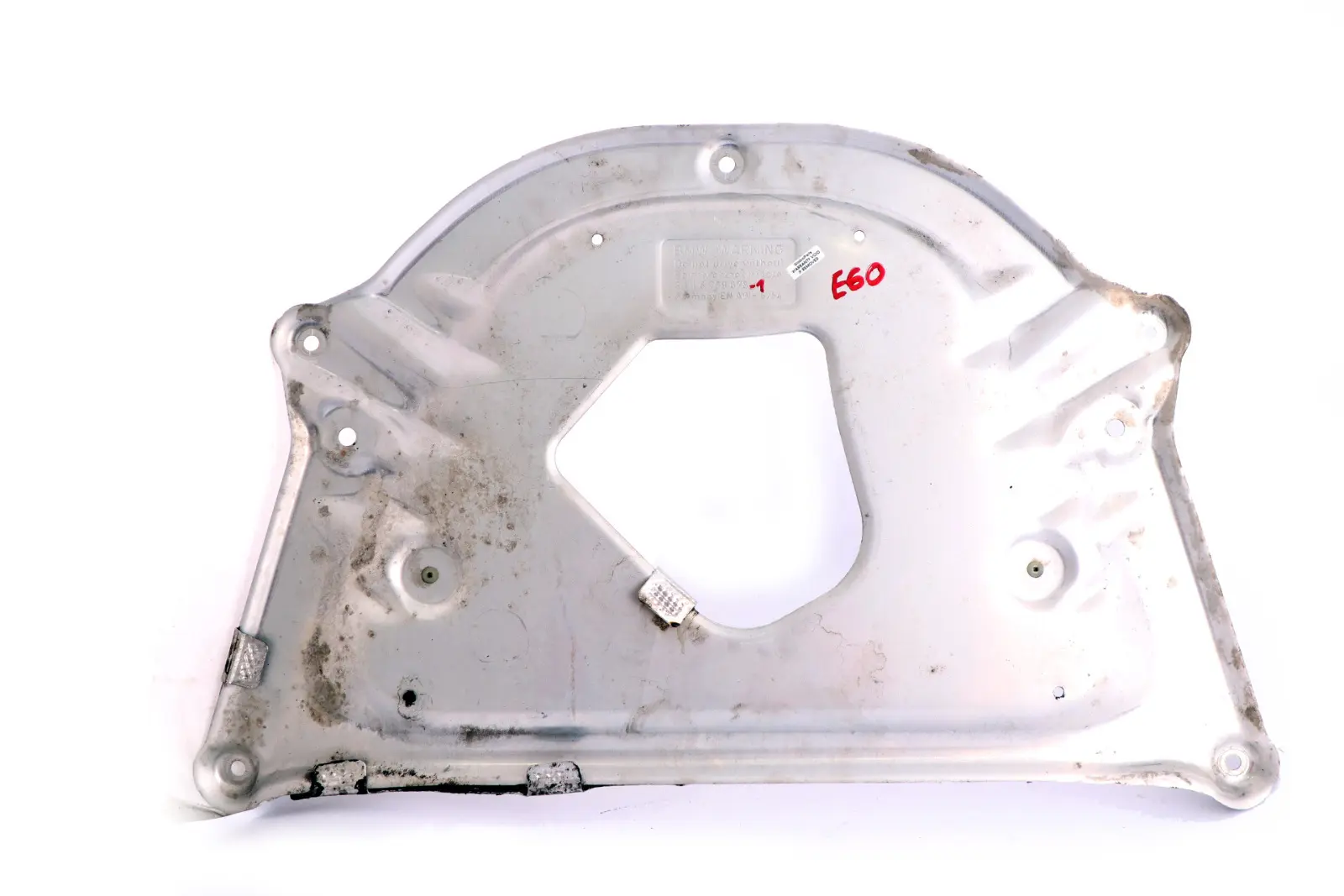
Part no. 6759878-1
BMW E60 E60N E61 E63 Reinforcement Plate Front Axle Support 6759878
Product currently unavailable
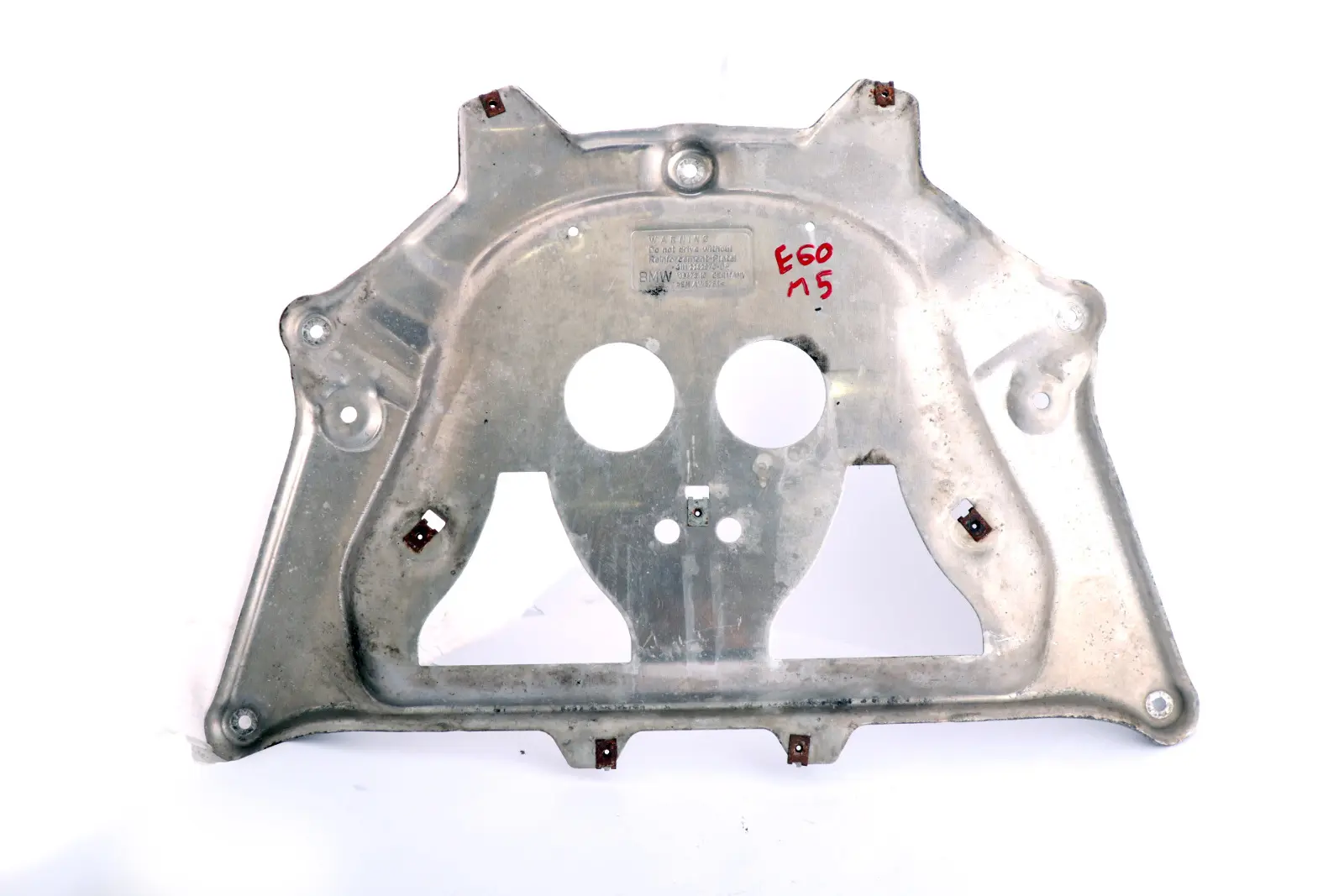
Part no. 2282970
BMW E60 M5 E61N E63 E64 Lower Engine Reinforcement Insulation Plate 2282970
Product currently unavailable
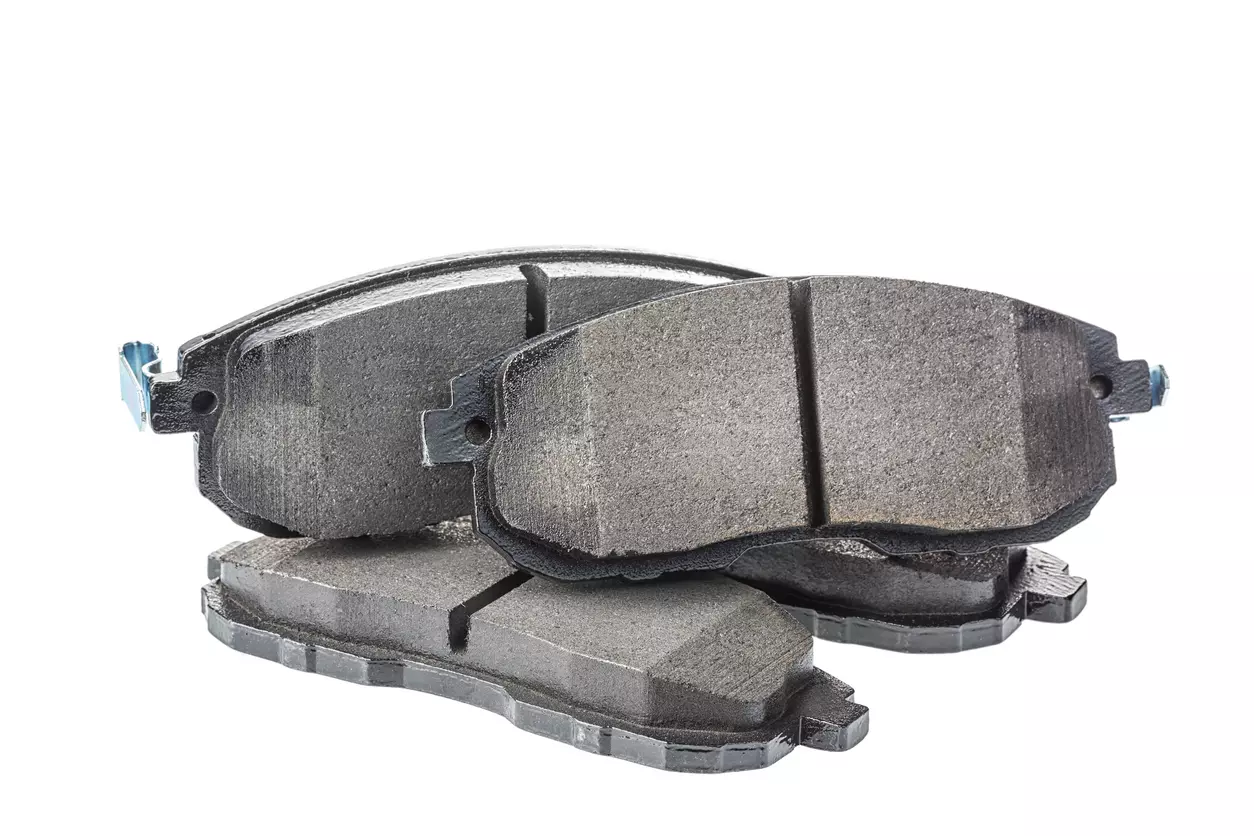
Brake pads for effective braking in all conditions
Effective, high-resistance brake pads
Brake pads are key components of the braking system, responsible for generating the friction necessary to stop the vehicle. In combination with brake discs, the pads ensure precise braking and vehicle control in any situation. In the Global Parts automotive store, you will find a wide selection of used car parts, including brake pads, ideal for brands such as BMW, Audi, Volkswagen, Mercedes, Mini and others.
Design and operation of brake pads in practice
Brake pads are friction elements mounted in brake calipers, which are pressed against the rotating disc when the brake pedal is depressed. As a result of friction, the vehicle's kinetic energy is converted into thermal energy, which leads to a reduction in speed or the complete stopping of the car. In a typical passenger car, the braking force generated by the pads and discs accounts for up to 70–80% of the efficiency of the entire braking process, especially on the front axle. Depending on the system design, different pads are used for the front and rear of the vehicle. For example, BMW E60 front brake pads have a larger friction surface than the rear components, while BMW E90 rear brake pads are designed with a focus on driving stability and even distribution of braking forces.
What functions do brake pads perform?
Brake pads play a fundamental role in the safety and efficiency of the braking system:
- Generating braking force – Through friction with brake discs, the pads effectively reduce the vehicle's speed.
- Heat dissipation – The design of the pads allows for the dissipation of heat generated during braking, which prevents the system from overheating.
- Braking stability – High-quality pads minimize vibrations and ensure a smooth stop for the vehicle.
Design and purpose of brake pads
Brake pads are wear parts mounted next to the disc, inside the caliper, on the front or rear axle of the vehicle. A typical element consists of a backing plate and a layer of friction material, and depending on the version, it may also have space for a wear sensor, damping shims, and guide elements. The pads are used to create controlled friction that slows down the wheel rotation and allows the car to be stopped safely.
Comparison of brake pad variants and data for verification
| Variant | Vehicle placement | Design features | What to check before selection |
|---|---|---|---|
| Front axle pads | Front | Usually larger working surface, higher thermal load | OEM part number, disc type, sensor presence, caliper version |
| Rear axle pads | Rear | Smaller friction surface, focus on operational stability and compatibility with vehicle systems | Placement, caliper compatibility, axle version, replacement numbers |
| Set with sensor | Depends on version | Additional space or wire for wear monitoring | Sensor presence in the car, connector type, wire routing, OEM number |
| Set without sensor | Depends on version | Simpler design, selected only for the appropriate brake configuration | Vehicle equipment, caliper type, mounting side, and catalog compatibility |
Friction materials and their impact on braking efficiency
Modern brake pads are produced from mixtures of friction materials, the composition of which affects braking parameters, driving comfort, and compatibility with discs. The most common solutions are:
- semi-metallic pads – contain metal additives, dissipate heat well, and are widely used in mid-range cars,
- ceramic pads – characterized by a stable coefficient of friction and less dust production,
- organic pads – ensure smooth braking during daily city driving. For models such as Mini Cooper R56 brake pads, the selection of the appropriate friction material is important for both the efficiency and the operational culture of the entire braking system.
Why is it worth taking care of brake pads?
Wear or damage to brake pads can lead to reduced braking efficiency and an increased risk of accidents. Typical symptoms of malfunction include:
- Squealing during braking – May indicate excessive wear of the friction material.
- Extended braking time – Worn pads reduce the efficiency of the braking system.
- Uneven braking – Damaged pads can cause vibrations and reduced control over the vehicle. If replacement is necessary, at Global Parts you will find suitable used auto parts, which will restore full functionality to your braking system.
The role of friction material and backing plate in system operation
The friction material is the working part of the pad that directly contacts the disc and is responsible for braking force and heat dissipation. The backing plate refers to the metal core to which the friction layer is attached and which transfers pressure from the caliper piston. In practice, these two elements determine the stability of operation, noise level, and even wear of the working surface.
Symptoms and characteristics of pad operation in daily use
Under normal road conditions, brake pads wear out gradually, and their operation should be predictable and stable. With mixed driving (city + highway), a set of pads on the front axle can last on average 40–70 thousand km, depending on the vehicle weight, driving style, and type of discs. Rear pads – e.g., BMW E90 rear brake pads – often achieve longer mileages due to lower axle load. Properly matched pads work with discs, calipers, and ABS and DSC systems, ensuring even distribution of braking forces to all wheels.
How to choose the right brake pads?
When choosing brake pads, several key aspects should be considered:
- Compatibility with the vehicle model – Every braking system has its specific technical requirements. At Global Parts you will find brake pads perfectly matched to BMW, Audi, Volkswagen, Mercedes, Mini and others.
- Technical condition – Used pads should have an appropriate thickness of friction material and be free from damage.
- Type of friction material – Choose between ceramic, semi-metallic, or organic pads, depending on your driving style and technical requirements.
Data needed to match brake pads
Brake pads are selected based on compatibility with a specific system, not just the car model name. In product cards, it is worth comparing the brand, condition, OEM part number, replacement numbers, and placement on the vehicle, as this data helps confirm the correct set. If you are looking for a component such as Audi A4 B8 brake pads, you should also check the caliper version, the diameter of the cooperating disc, and the presence of a wear sensor.
Matching pads to a specific model and axle – comparison table
Proper selection of brake pads is based on the model, generation, mounting axle, and disc type. The table below presents example design differences:
| Vehicle model | Axle | Pad characteristics | Typical application |
|---|---|---|---|
| BMW E90 | Rear | Smaller friction surface, driving stability | Daily city and highway driving |
| BMW E60 | Front | Higher mass and working surface | Primary braking |
| Mini Cooper R56 | Front / Rear | Compact pads matched to a lightweight body | Dynamic city driving |
Why is it worth choosing used brake pads?
Used car parts, such as Brake pads, are an economical solution that allows for savings while maintaining high quality. By choosing used braking system components, you gain:
- Lower costs – Used pads are significantly cheaper than new ones but offer equally high quality.
- Ecology – Recycling parts supports environmental protection and reduces waste.
- Wide offer – In our store, you will find used brake pads for the most popular car brands.
Compatibility and cost savings in practice
Used brake pads allow you to maintain compatibility with the factory braking system without the need for costly replacement of entire sets. In practice, this means the possibility of matching pads to existing discs, calipers, and accessories, which helps in optimizing service costs. This solution is often chosen by owners of premium car brands, such as BMW or Mini, where original components are characterized by high durability.
Cooperating elements and scope of inspection during assembly
Brake pads work with brake discs, brake calipers and carriers, and in many versions also with a brake pad wear sensor. During assembly, it is worth comparing the guidance in the carrier, the shape of the backing plate, the presence of shims, and compliance with the OEM number. More practical information about system accessories can be found in the article Brake calipers under the microscope: How to effectively reduce repair costs of the braking system by choosing proven recycled parts.
How to take care of brake pads?
To ensure brake pads work reliably for a long time, it is worth following a few rules:
- Regular inspections – Check the condition of the pads during periodic technical inspections of the braking system.
- Avoid sudden braking – Careful driving reduces the wear of pads and other brake components.
- Replace pads at the right time – Pads that are too thin can reduce braking efficiency and damage the discs. If replacement is necessary, at Global Parts you will find suitable used auto parts that will ensure the safety and durability of your braking system.
Cooperation of pads with other braking system elements
Brake pads work in close cooperation with discs, calipers, guides, and brake assist systems. Their proper matching affects not only the vehicle's stopping efficiency but also the even wear of the discs and the stability of the entire system's operation. This is an important element when planning further upgrades or replacing related components.
FAQ
| What is the design and purpose of brake pads? | Brake pads are friction elements mounted in calipers, on both sides of the brake disc. A typical set consists of a backing plate and a friction lining, and depending on the version, also damping layers, shims, and space for a wear sensor. Their purpose is to create the friction needed to lose speed and stop the vehicle. |
|---|---|
| What are brake pads used for? | Brake pads are used to convert the vehicle's motion energy into heat through contact with the rotating disc. They are directly responsible for the car's reaction after pressing the brake pedal and for braking stability on both axles. Without properly matched pads, stopping efficiency deteriorates, and the load on other system elements increases. |
| What is the design and function of the friction material? | The friction material is the working layer of the pad that contacts the disc and is responsible for braking properties. Its composition represents a compromise between efficiency, thermal resistance, dust level, and operational culture. The type of this layer also determines how it interacts with the disc and the wear rate of both elements. |
| How to choose brake pads for a specific car? | It is safest to compare the OEM part number, replacement numbers, vehicle placement, and braking system version. The car brand, caliper type, presence of a wear sensor, and whether the part is intended for the front or rear are also important. For cars with several equipment variants, it is worth additionally verifying compatibility by VIN. |
| What symptoms indicate brake pad wear? | The most common symptoms are squealing, extended braking distance, uneven pedal operation, and vibrations felt while losing speed. In some cars, a message from the wear sensor also appears. If the lining is too thin, it may lead to impaired cooperation with the disc and accelerated wear of the equipment. |
| What elements should be paid attention to when installing brake pads? | During installation, check the guides, the condition of the carrier, the disc surface, and the shape compatibility of the pad with the caliper. It is also worth verifying the presence of shims, the way the sensor is seated, and the cleanliness of contact points. The correct positioning of all these elements affects even wear and stable system operation. |
Summary: brake pads at the Global Parts automotive store
Brake pads are the foundation of the braking system, ensuring effective and safe vehicle stopping. By taking care of their technical condition, you can improve braking efficiency and avoid costly repairs. Global Parts automotive store cordially invites you to familiarize yourself with our wide range of original used car parts . Regardless of whether you are looking for car parts for BMW, Audi, Volkswagen, Mercedes, Mini and others – you will find them with us at competitive prices. The offer also includes solutions matched to brands such as BMW, Volkswagen, and others, taking into account compatibility according to OEM number, mounting axle, and system configuration. We make every effort to ensure that every customer finds the right parts for their car, and if you have any questions or doubts related to choosing the right components, we are happy to help! We invite you to contact us – we are here to help you! For more information and interesting facts, we also invite you to our automotive blog.