


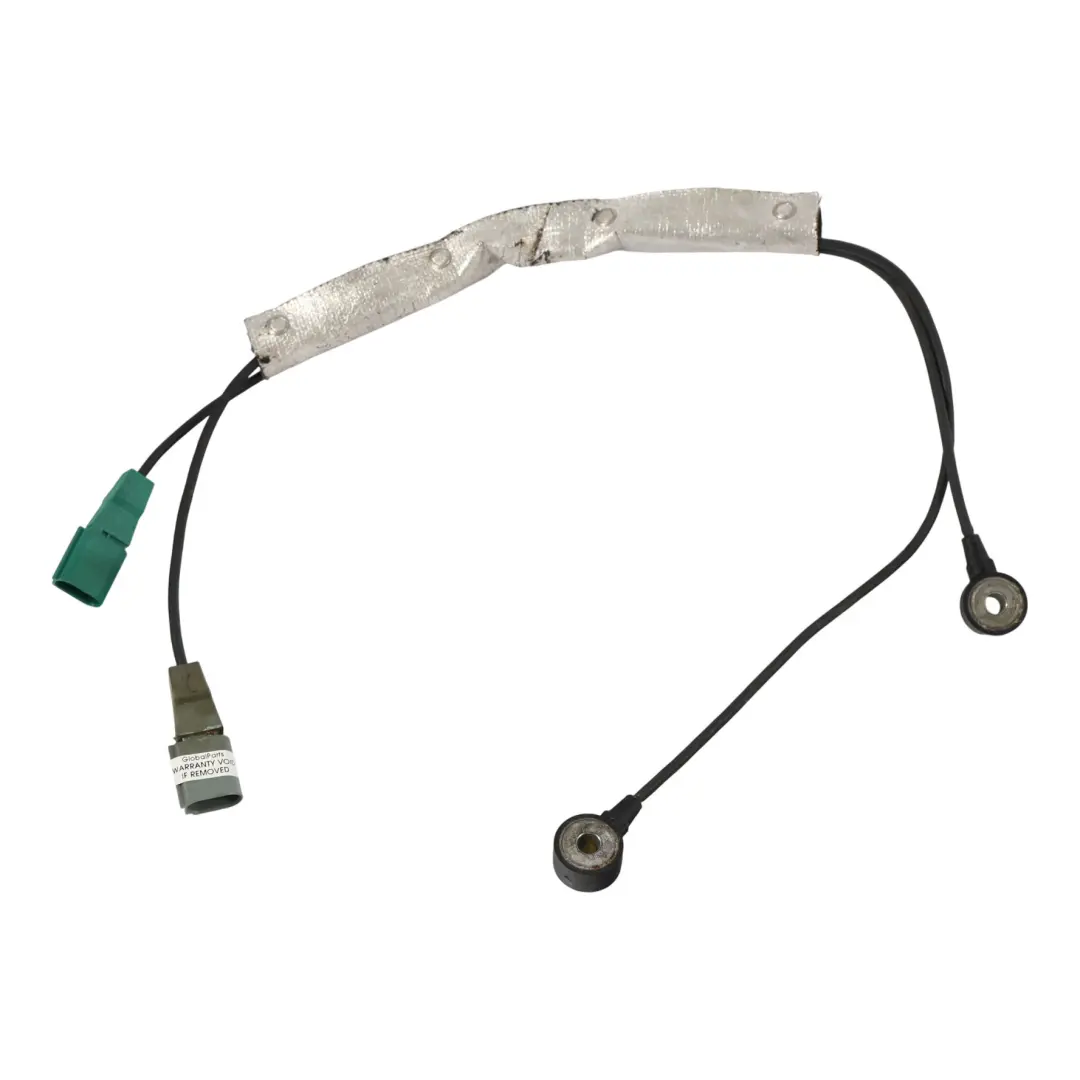
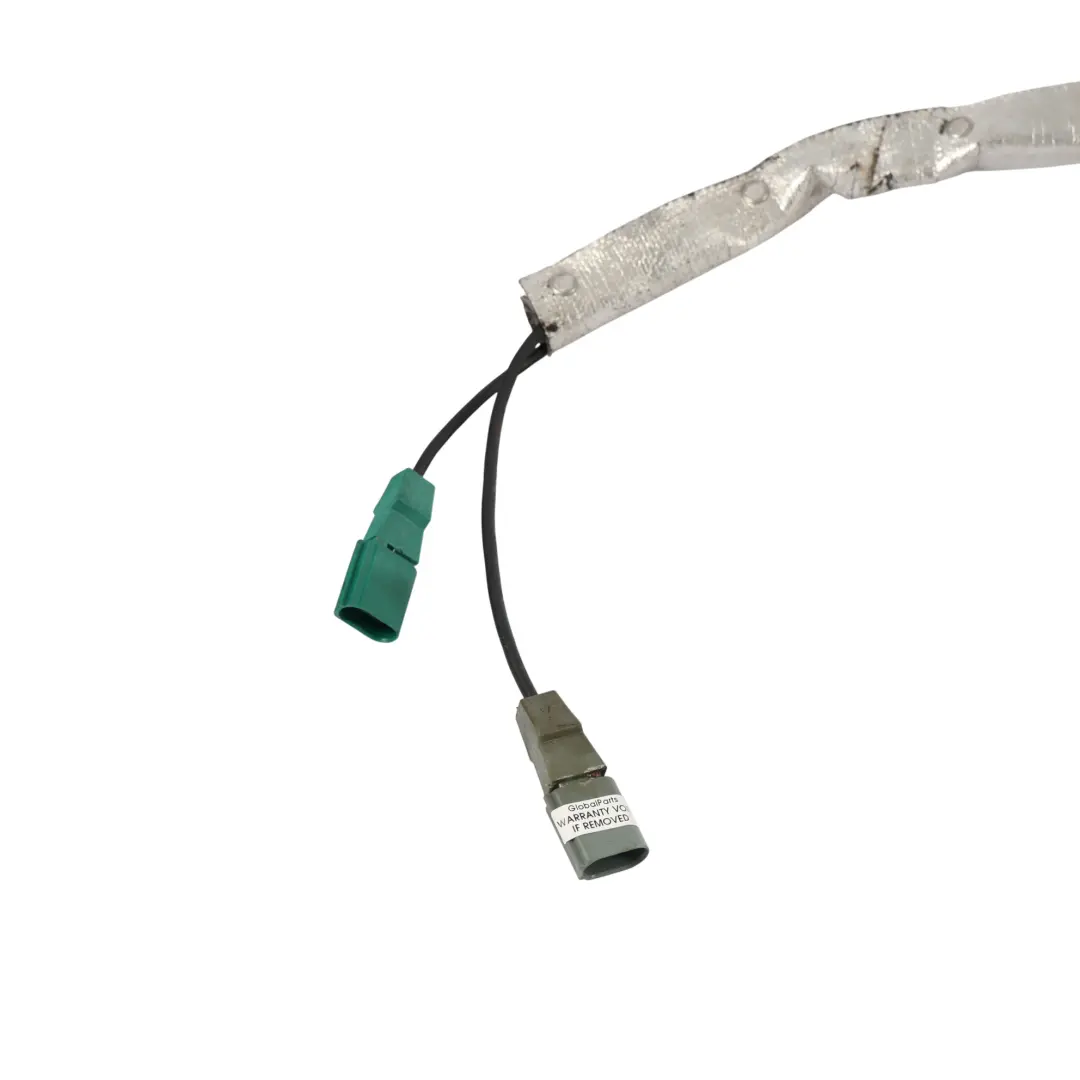
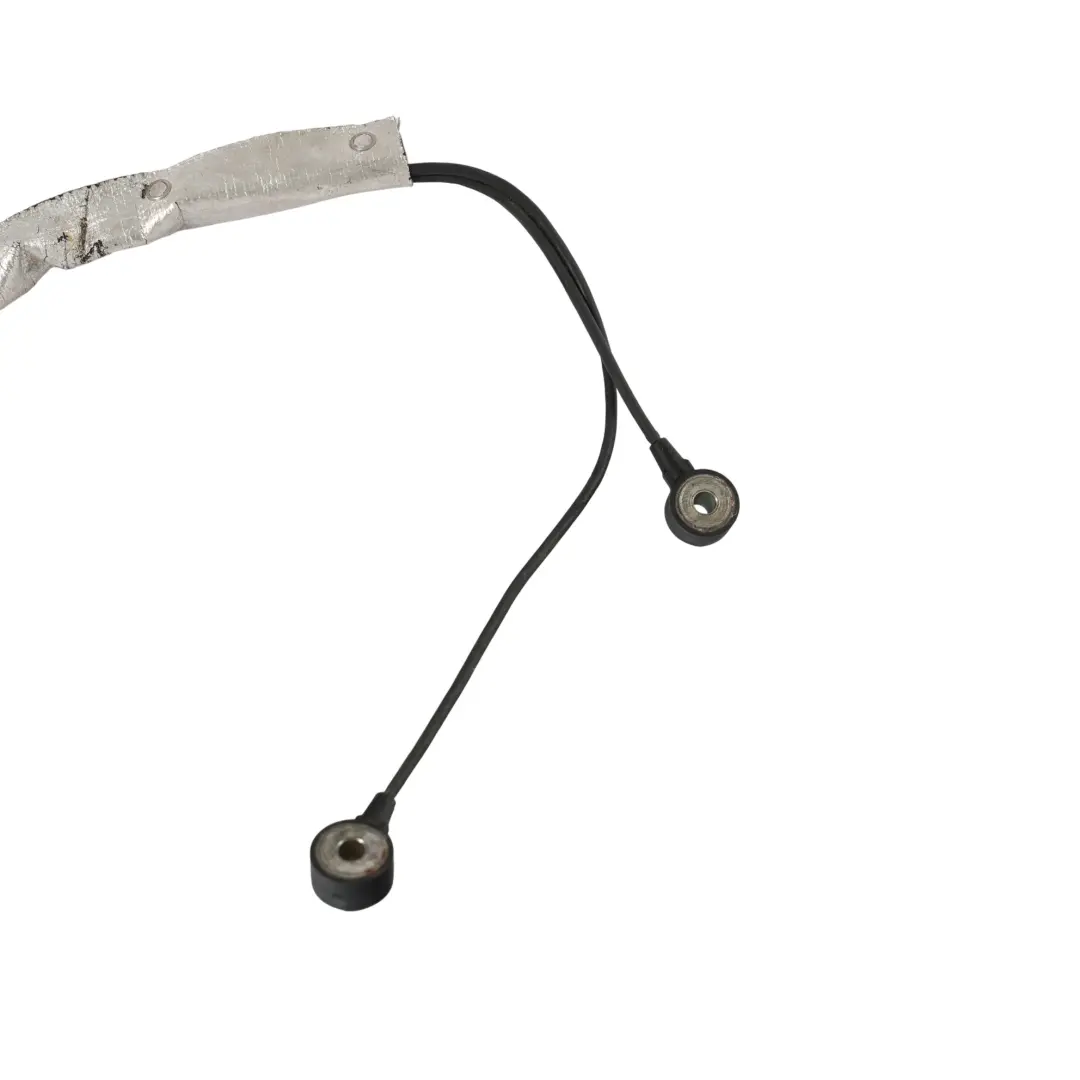
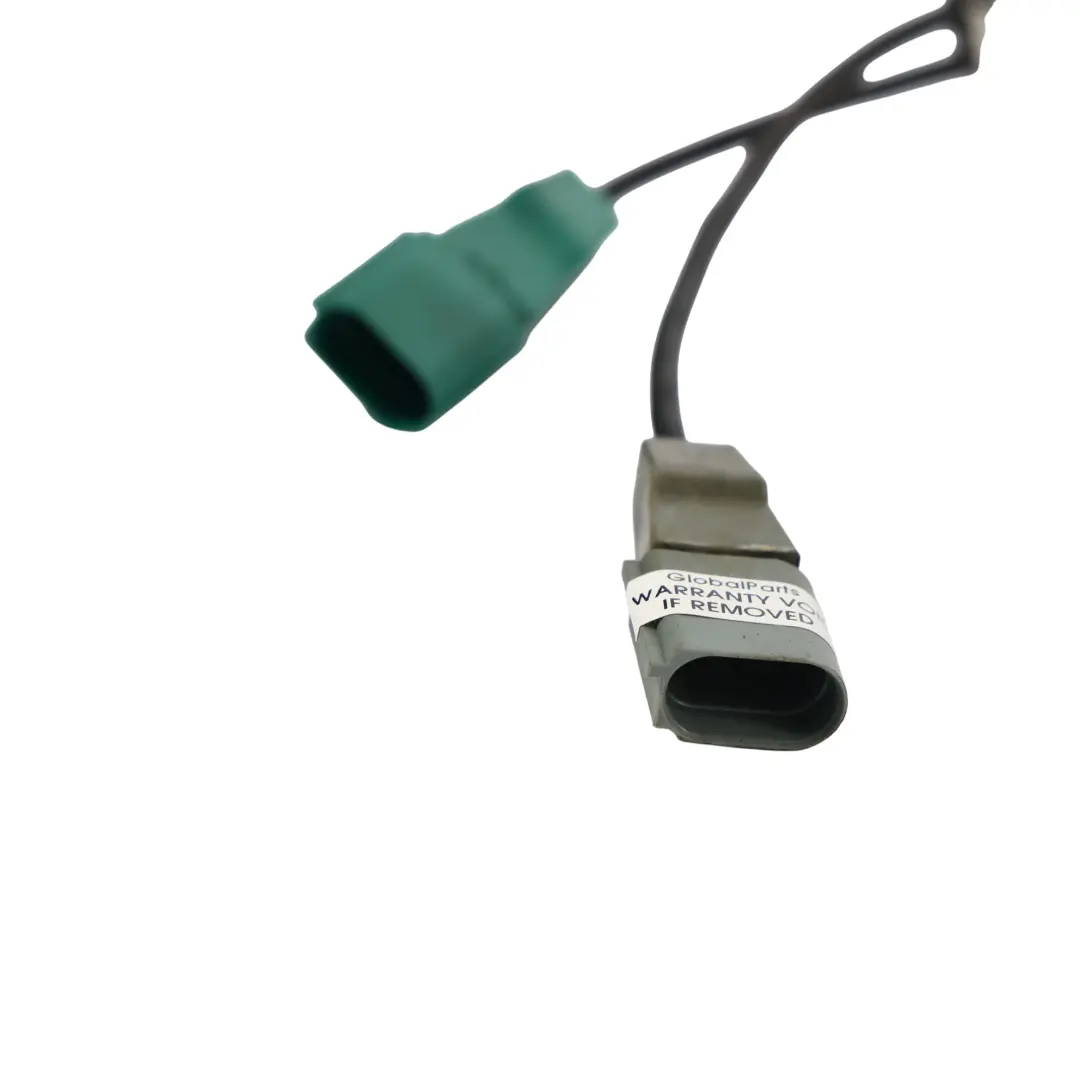
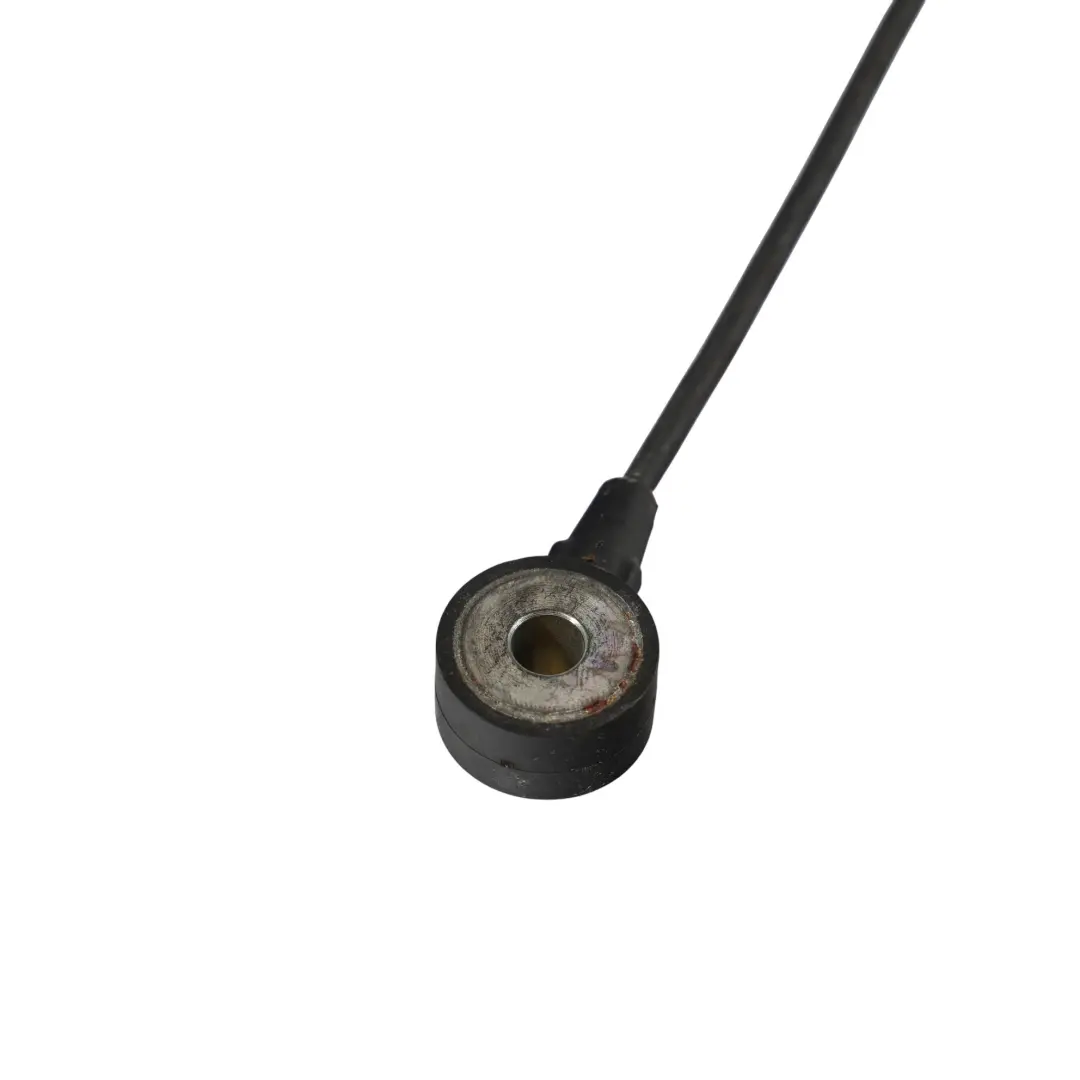
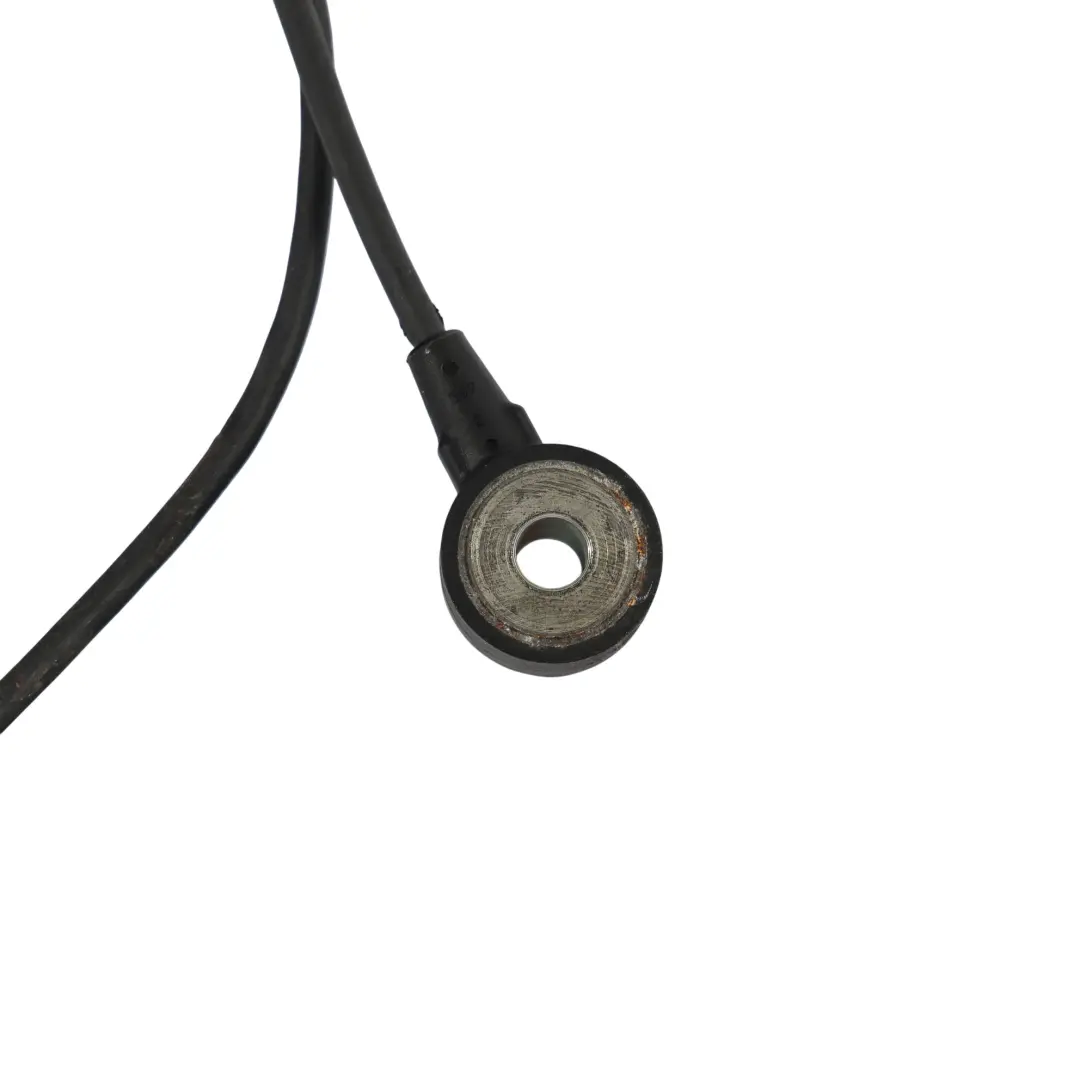
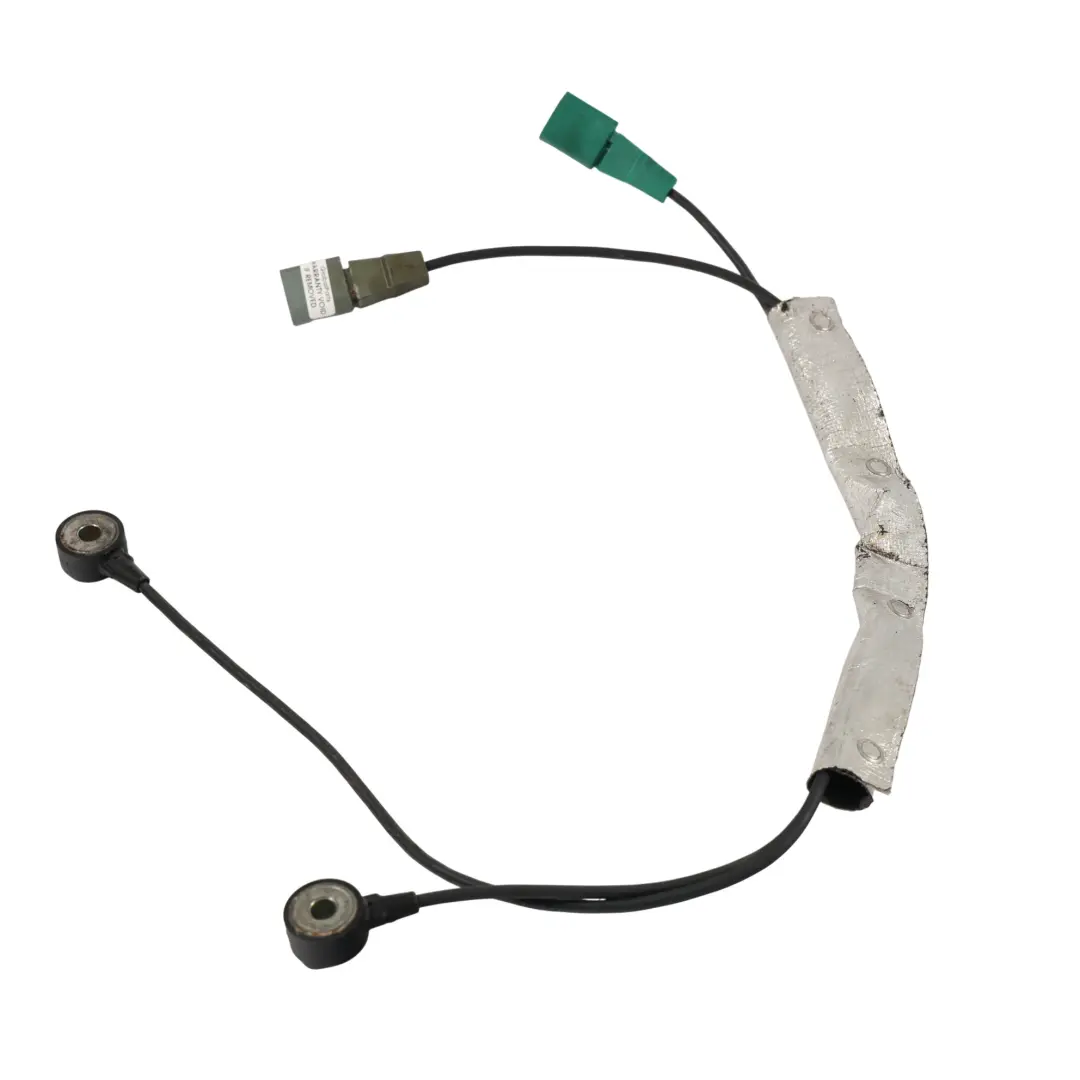
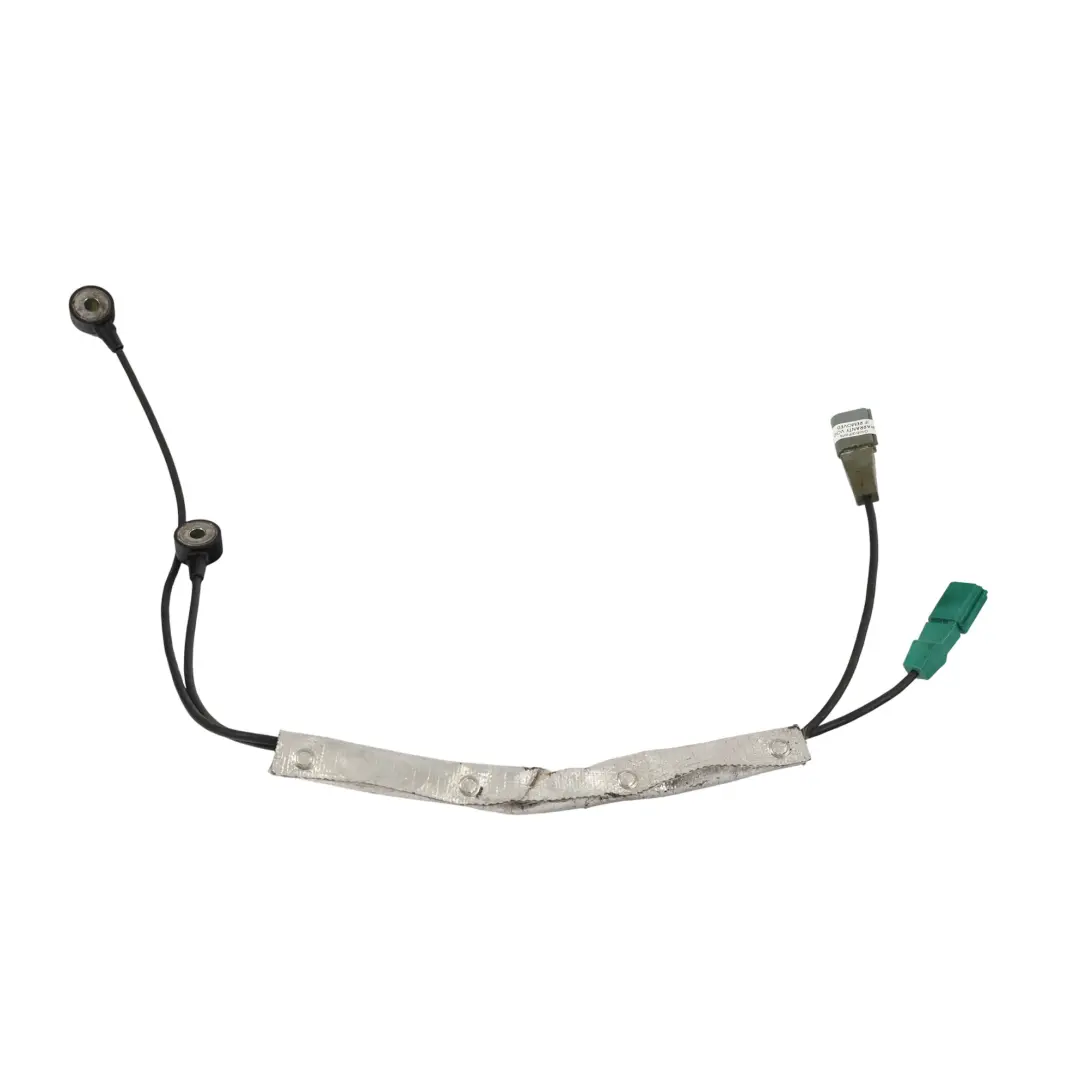
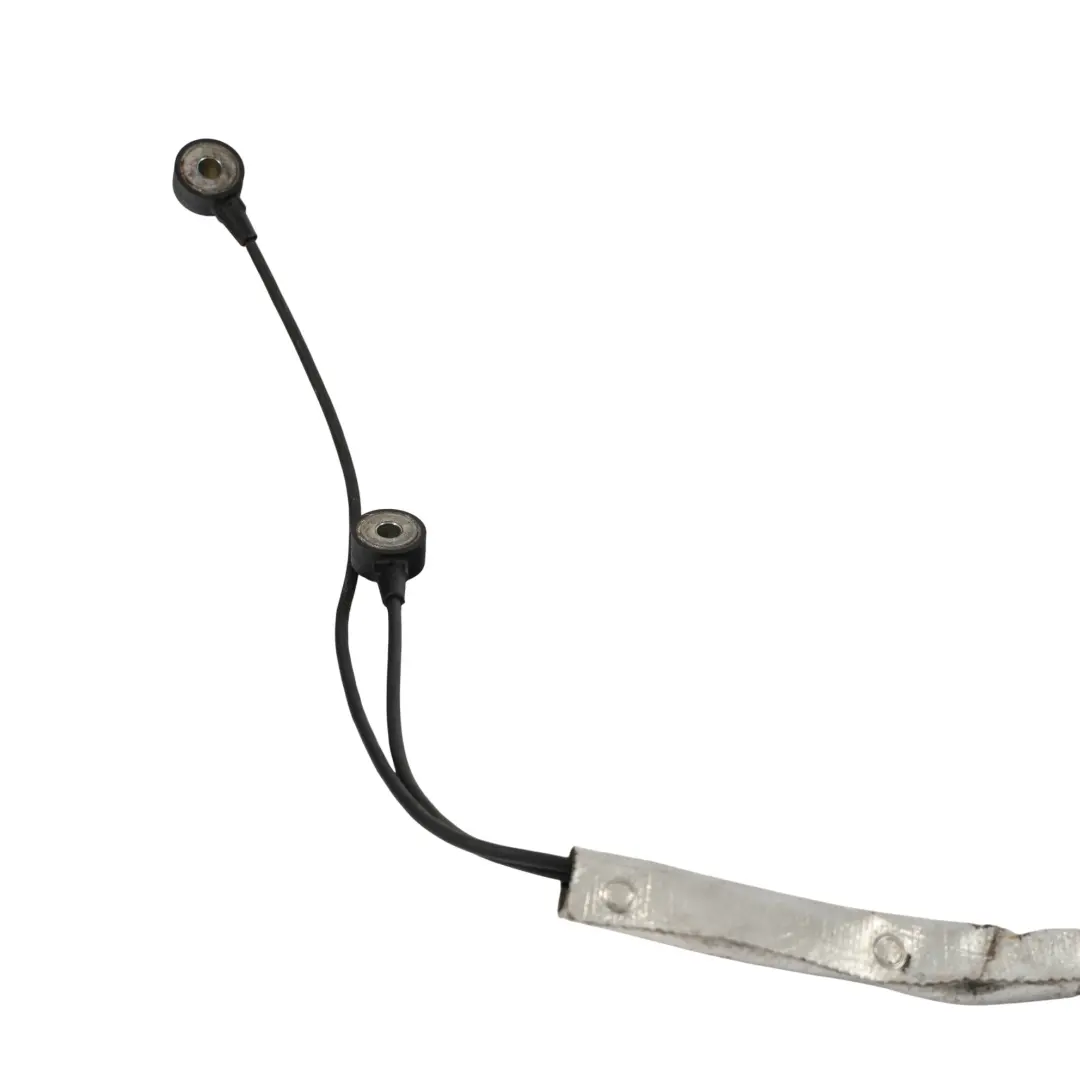
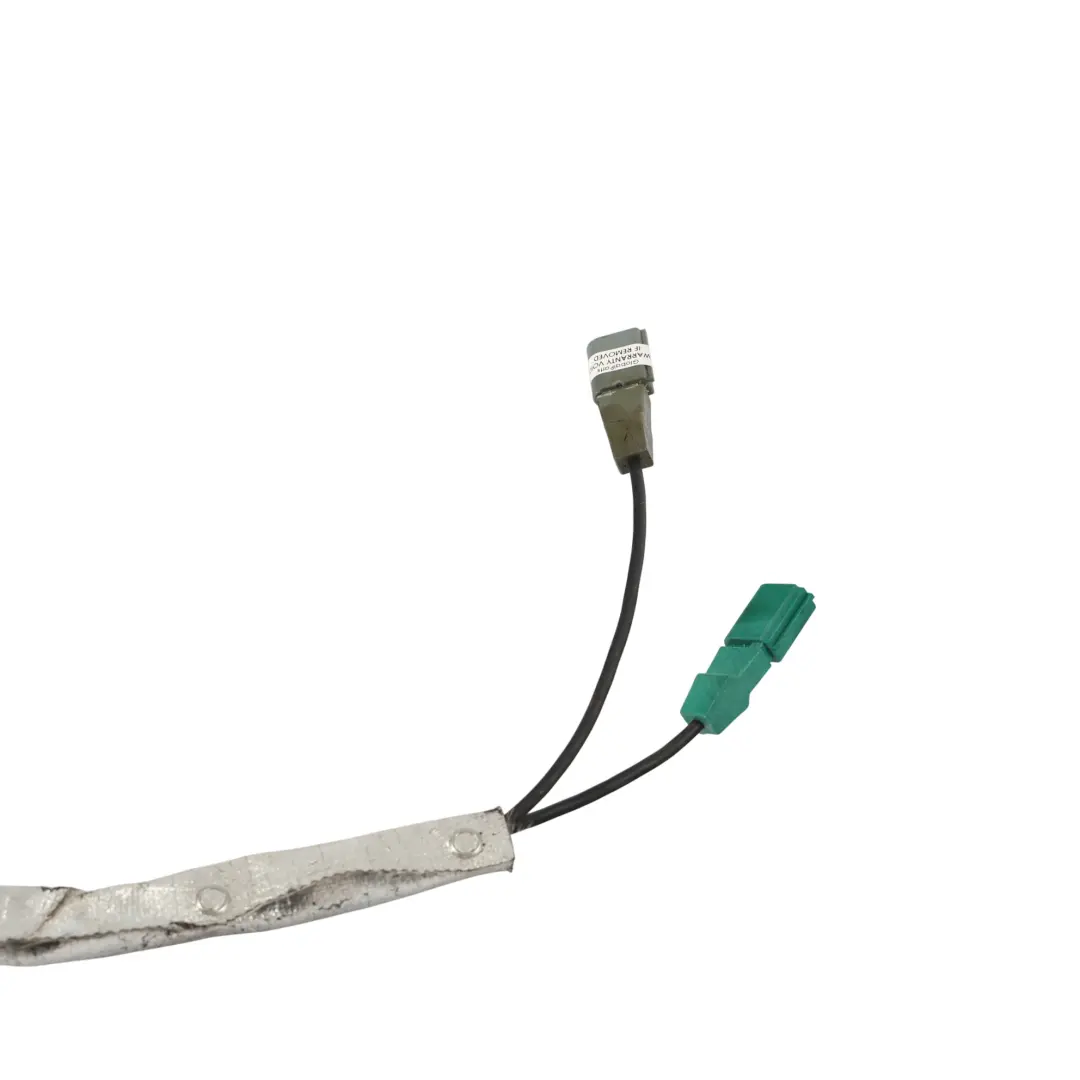
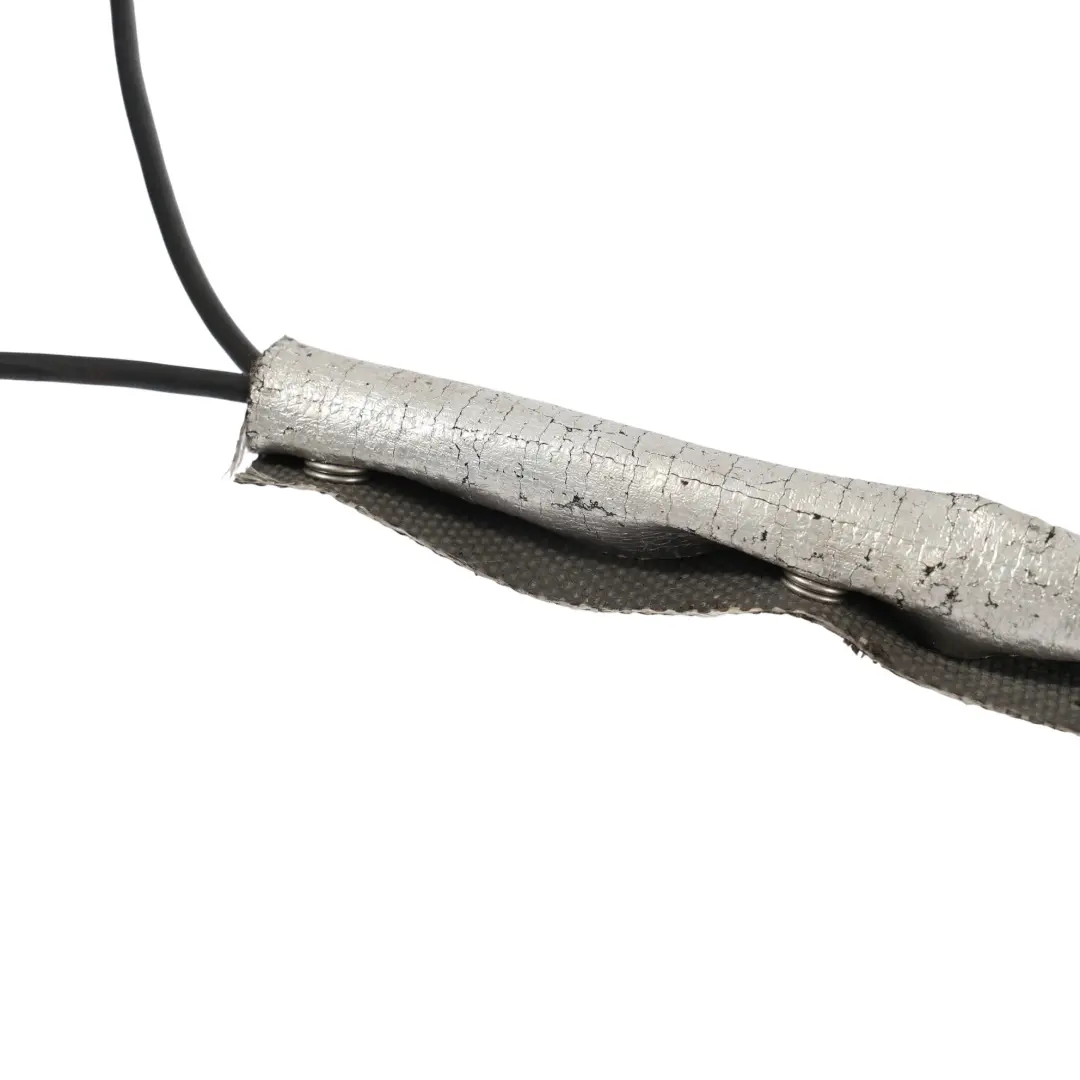
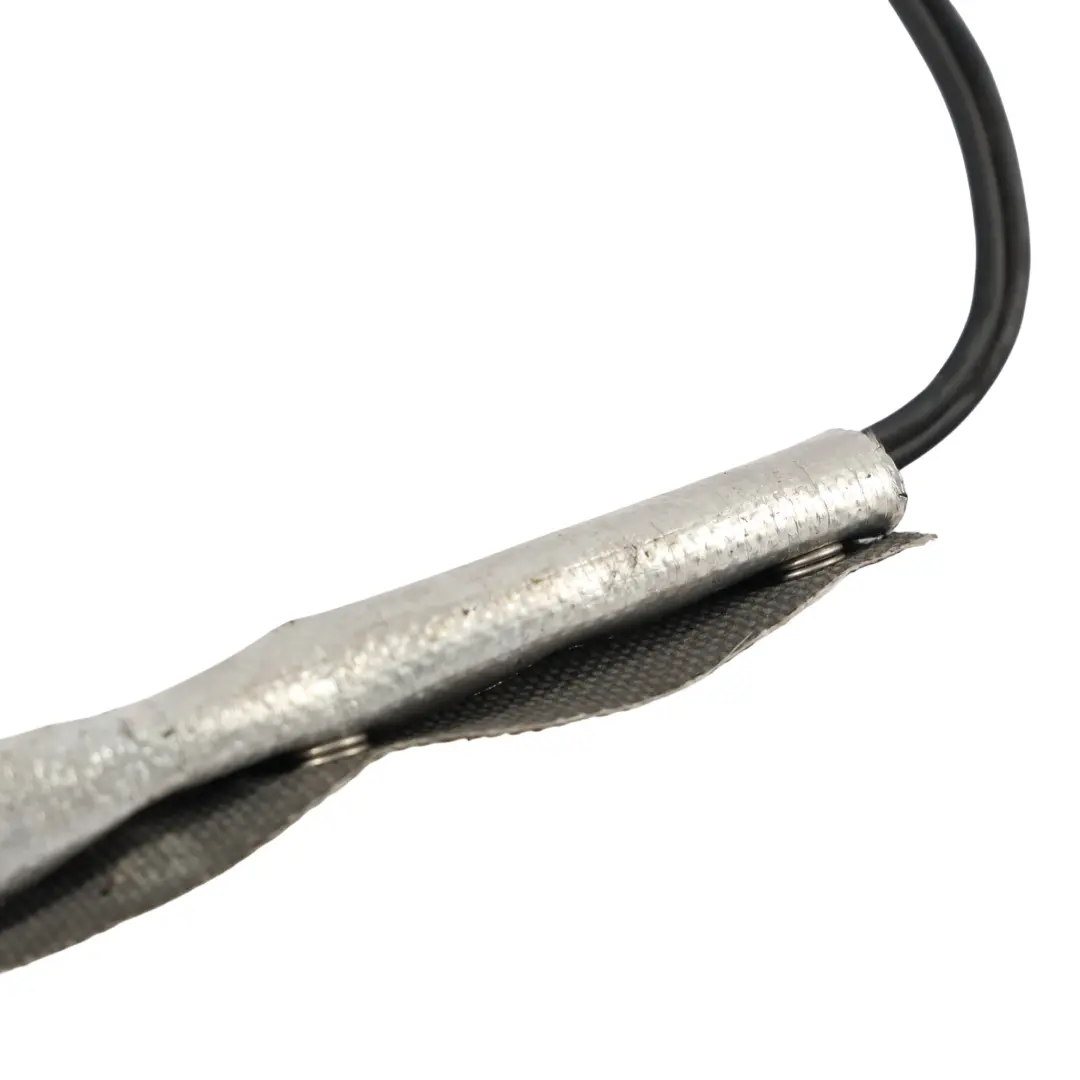
Audi RS3 8P Knock Sensor Engine Block Ping Sensor 2.5 TFSI Petrol 07K905377C
SKU: 07K905377C
Product from a certified dismantling facility
Condition:
Used
Available:
1
Delivery time:
Estimated delivery in the country Spain between Thu, Oct 08 and Tue, Oct 13
Dispatched today if paid before 14:00
Payment methods:








Returns:
30 days return
Delivery from:
Free delivery
€23.95
1
Lowest price in the last 30 days: €23.95
Total for items
€23.95
Audi RS3 8P Knock Sensor Engine Block Ping Sensor 2.5 TFSI is a precision component of the petrol engine control system, responsible for reliable measurement of engine knocking. It allows the ECU to continuously adjust the ignition timing, which translates into stable operation of the 2.5 TFSI unit, improved engine refinement, and safe utilization of the engine's potential. This solution is particularly important in high-performance, turbocharged units, where combustion control is crucial for component durability.
Specifications and technical data
- SKU: 07K905377C
- Mark: Audi
- Condition: Used
- OEM Part Number: 07K905377C
- Substitutable numbers: 07K905377C, 07K 905 377 C, 07K 905 377 E, 07K905377E
- Fuel type: Petrol
- Part type: Sensor
- Category: Engine Sensors & Switches
The role of the knock sensor in the 2.5 TFSI engine
The knock sensor in the Audi RS3 8P monitors engine block vibrations and sends a signal to the ECU, which then adjusts ignition parameters accordingly. In the 2.5 TFSI petrol engine, this is essential for protecting the pistons, valves, and cylinder head, as well as for maintaining proper power output across a wide range of loads. A functional sensor helps reduce the risk of uncontrolled combustion, which is especially important during dynamic driving and when using fuel of varying quality.
Benefits of using an original Audi component
The original sensor from the Engine sensors and switches category ensures a perfect fit for the characteristics of the 2.5 TFSI unit and correct compatibility with the factory ECU software. In practice, this means:
- stable engine operation across the entire rev range,
- more predictable throttle response,
- reduced risk of ignition-related fault codes,
- maintenance of factory performance parameters while keeping an appropriate safety margin. By maintaining factory signal characteristics, the ECU does not require additional adaptation, and the diagnosis of potential faults remains clear and compliant with service documentation.
Technical characteristics and intended use
The presented sensor is designed for use in a petrol-powered engine, which is significant for the vibration filtering method and the sensitivity of the measuring element. The design has been developed for the specific conditions of the 2.5 TFSI unit – high boost pressure, elevated temperatures, and high mechanical loads. Using a dedicated solution limits the risk of signal misinterpretation by the ECU, which could lead to unnecessary ignition timing retardation or, conversely, overly aggressive advancement. The component comes from the Audi range, which in practice means adherence to the vehicle manufacturer's quality standards, proper fitment, and compatibility with factory wiring harnesses. For the user, this translates into predictable installation and easier integration with the existing system.
Condition, installation, and service application
The offered sensor is a used part, which allows for an economical repair of the engine control system while maintaining the original specification. This is a practical solution in situations where symptoms such as power loss, rough engine operation, knock-related fault codes, or the need for replacement after computer diagnostics occur. In many cases, installation is limited to removing the old sensor, cleaning the contact surface, and installing the functional component while maintaining the correct tightening torque. It is worth remembering that a properly functioning knock sensor supports not only the mechanical protection of the engine but also the stability of the ignition control strategy, which affects refinement and performance consistency in daily use.
Why choose original used parts?
Choosing original used components is a reasonable compromise between cost and quality. In the case of components such as engine sensors, maintaining factory signal parameters is crucial for the correct operation of the ECU. If you would like to learn more about the advantages of using original salvaged parts in premium cars, see the article on the cost-effectiveness of choosing original used parts for Mercedes, which discusses issues of durability, comfort, and service economy. If you are planning broader diagnostics of electronic systems or are interested in the topic of using salvaged parts in modern control systems, the post on the long-term operation of iDrive systems and BMW electronic modules using salvaged parts may also be helpful, as it shows how properly selected components affect the reliability of advanced vehicle electronics.
Delivery details
Ship to: Spain
Check delivery times for another country
Delivery Price
Service
Postage and packaging
Delivery time
Estimated delivery in the country Spain between Thu, Oct 08 and Tue, Oct 13
Dispatched today if paid before 14:00
Estimated delivery dates include sellers dispatch time, origin postcode,destination postcode and time of acceptance, and will depend on the postage service selected and receipt of cleared payment. Delivery times may vary, especially during peak periods.
Will usually dispatch within same working day if paid before 14:00 BST (excludes weekends and holidays). Expected dispatch time may vary and is based on sellers order cut-off time.
In the automotive store Global Parts, we offer fast and secure deliveries for our customers in Spain, ensuring maximum compliance with local service standards. Each order is processed with the utmost attention, guaranteeing a fluid shopping process and a timely delivery. If you need assistance in choosing the right part, our team of consultants will be happy to help you find the right part for your vehicle and provide information on installation, availability and parameters of the selected components.
Proposed car parts:
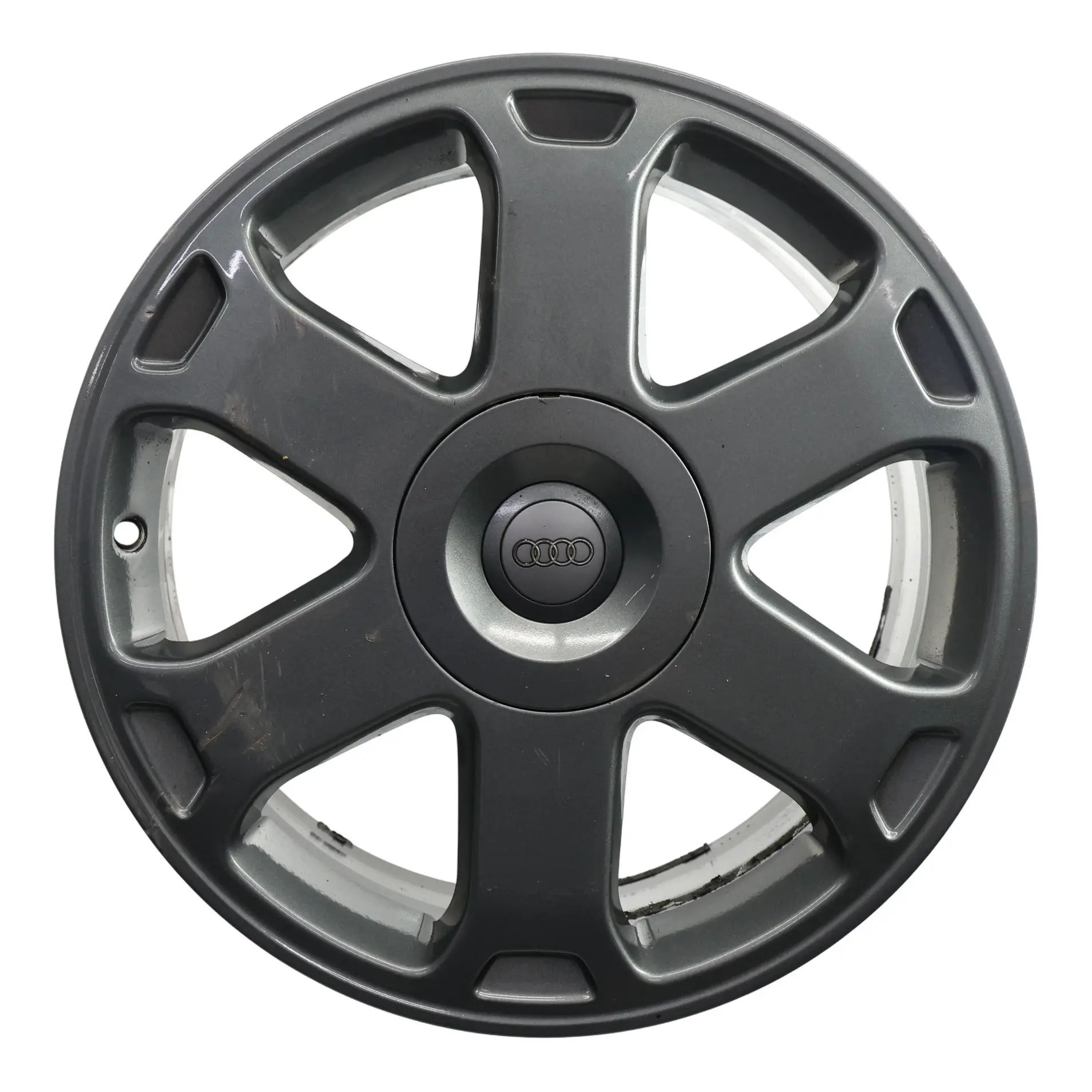
-15%
Part no. 8L9601025-1
Audi S3 8L Wheel Rim Alloy Grey 17" 7,5J ET:32 8L9601025
Promo price
€142.95
€121.51
Free delivery: Oct 8 – 13
If paid before 14:00
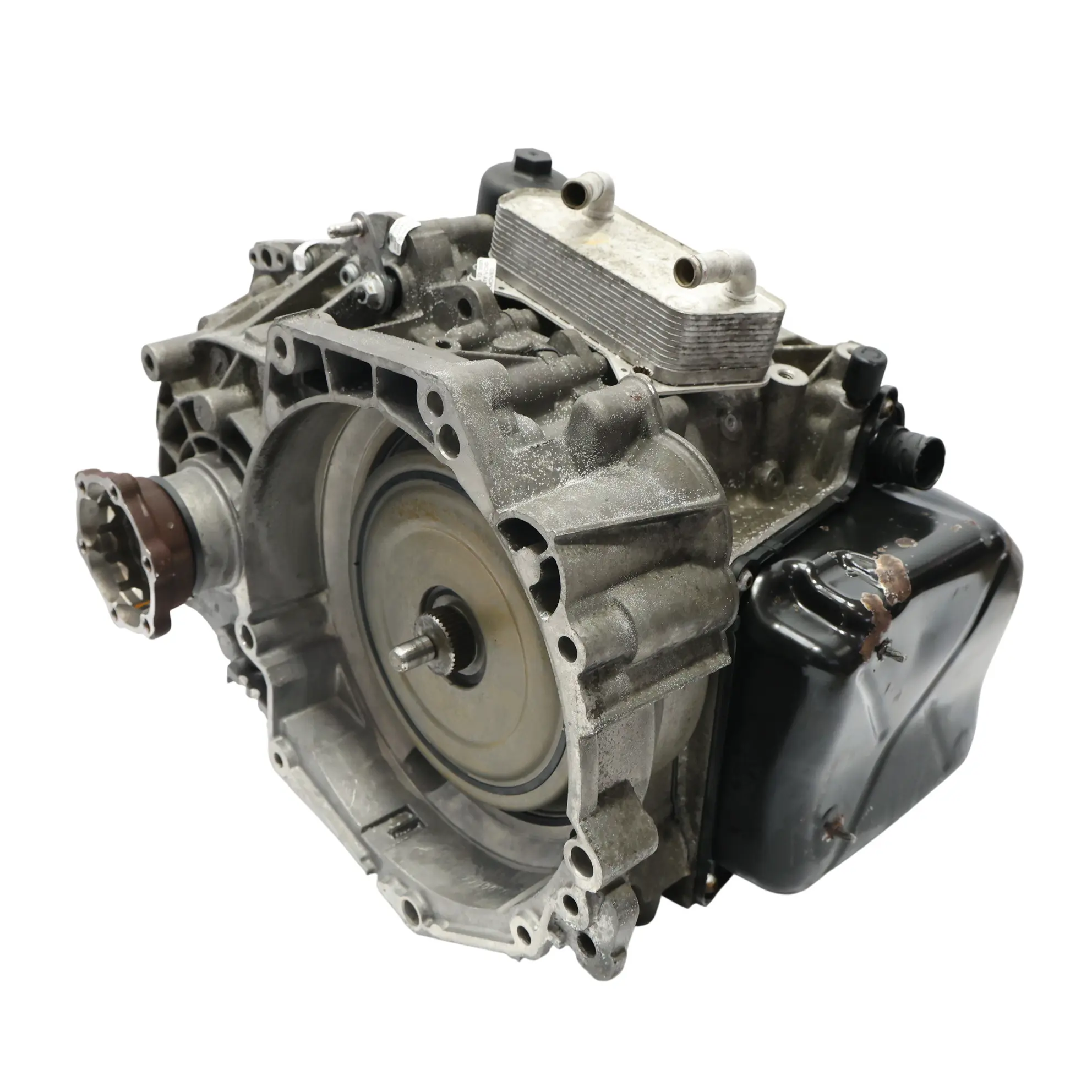
Part no. 02E300050NX
Audi A3 8P 1.8 TFSI BZB Automatic Gearbox S-Tronic KNG 02E300050NX WARRANTY
€1,329.95
Free delivery: Oct 8 – 13
If paid before 14:00
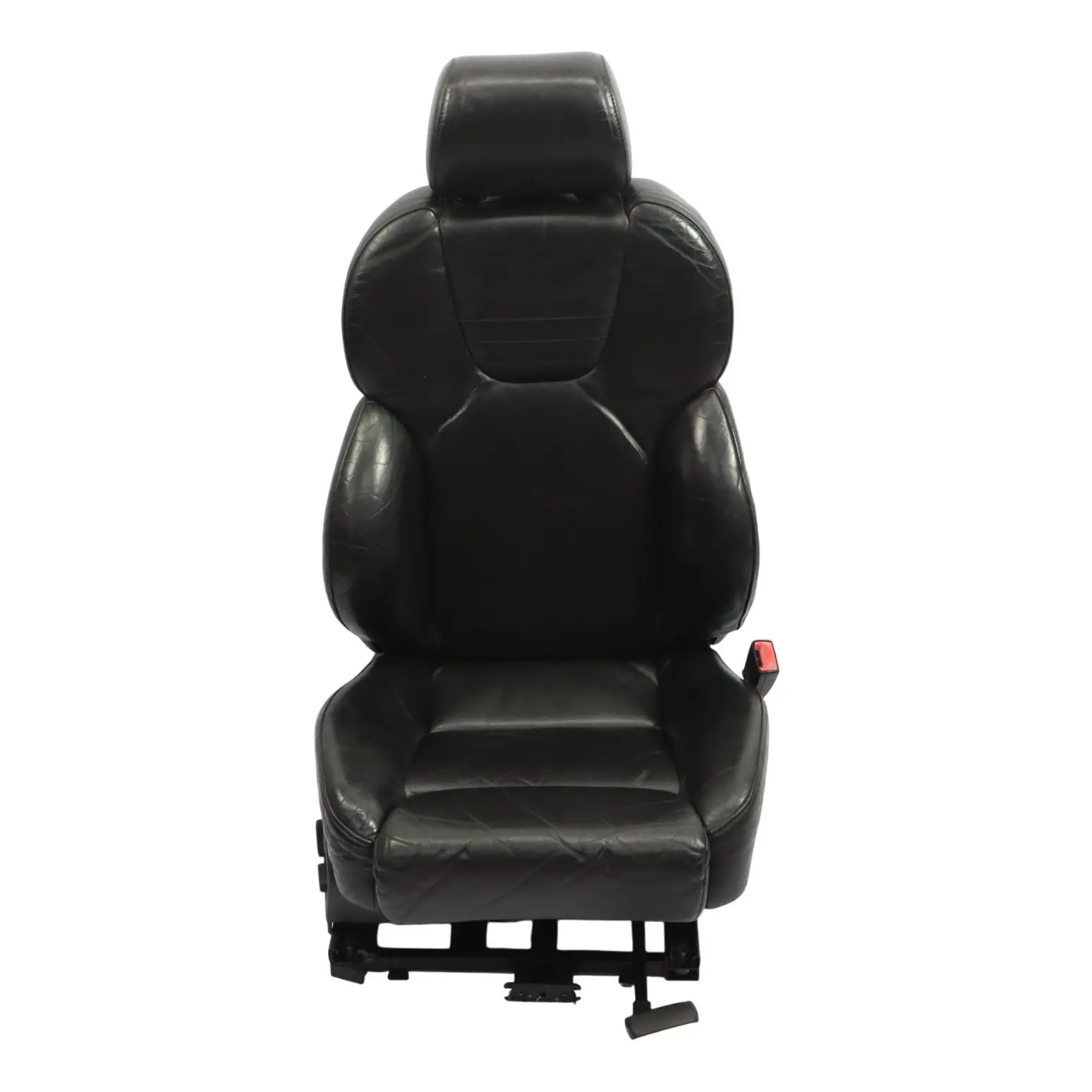
Part no. 8L3881802H-1
Audi S3 8L 3Dr Seat Recaro Bucket Front Right O/S Interior Black Leather Nappa
€664.95
Free delivery: Oct 8 – 13
If paid before 14:00
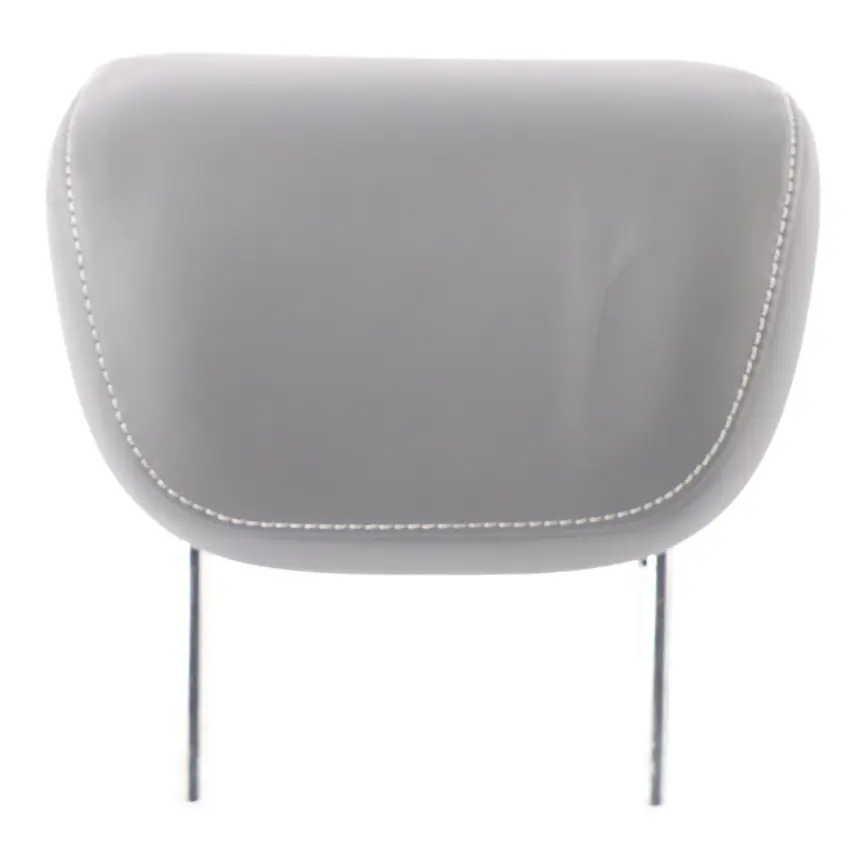
Part no. 8Y0885901H
Audi A3 8Y Headrest Head Rest Leather Rear Left Right N/O/S 4L0883901H
€80.95
Free delivery: Oct 8 – 13
If paid before 14:00
-40%
Part no. 8P0615123A
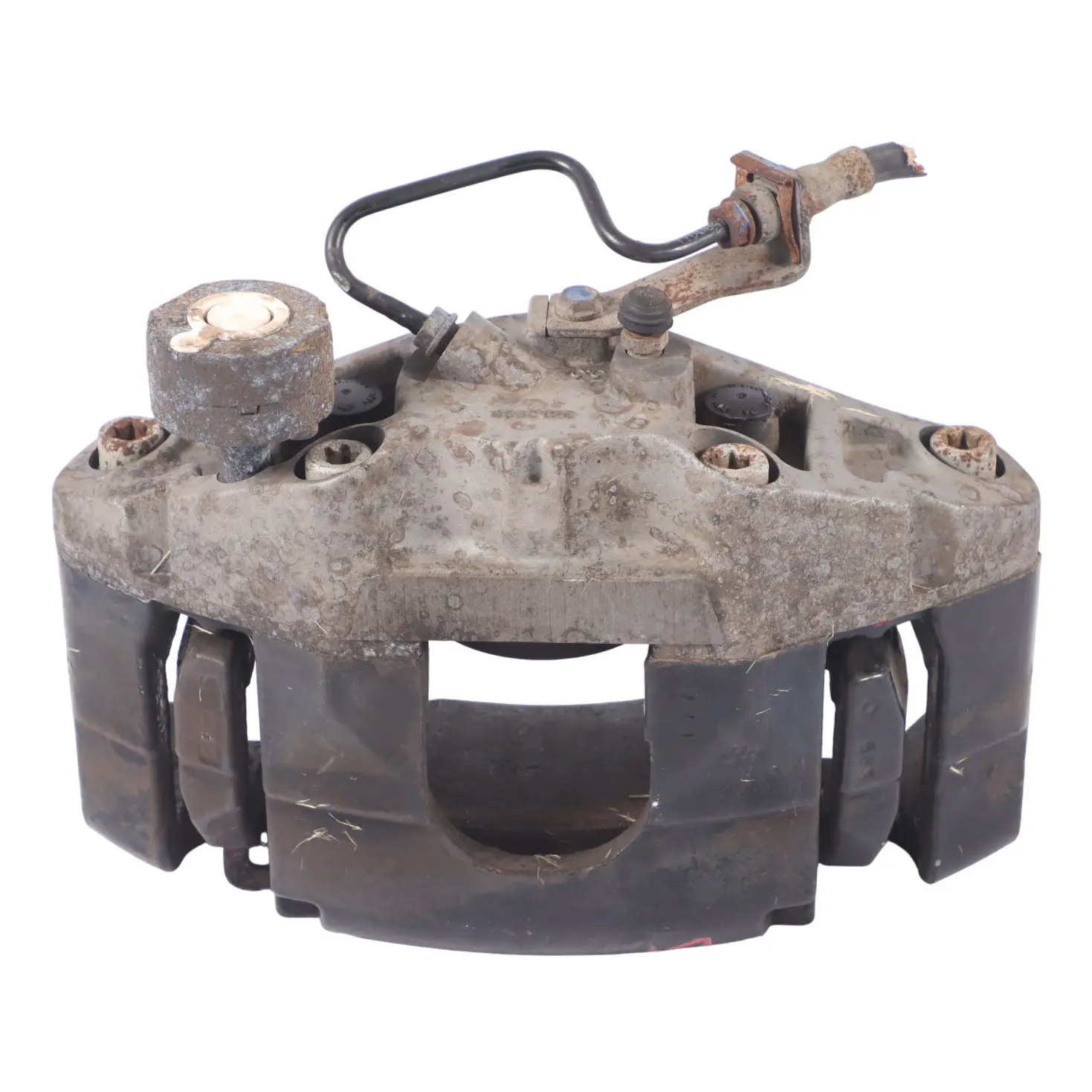
Audi S3 8P Front Brake Caliper Housing Carrier Left N/S 345x30mm 8P0615123A
Promo price
€132.95
€79.77
Free delivery: Oct 8 – 13
If paid before 14:00
Part no. 8P4853491L-1
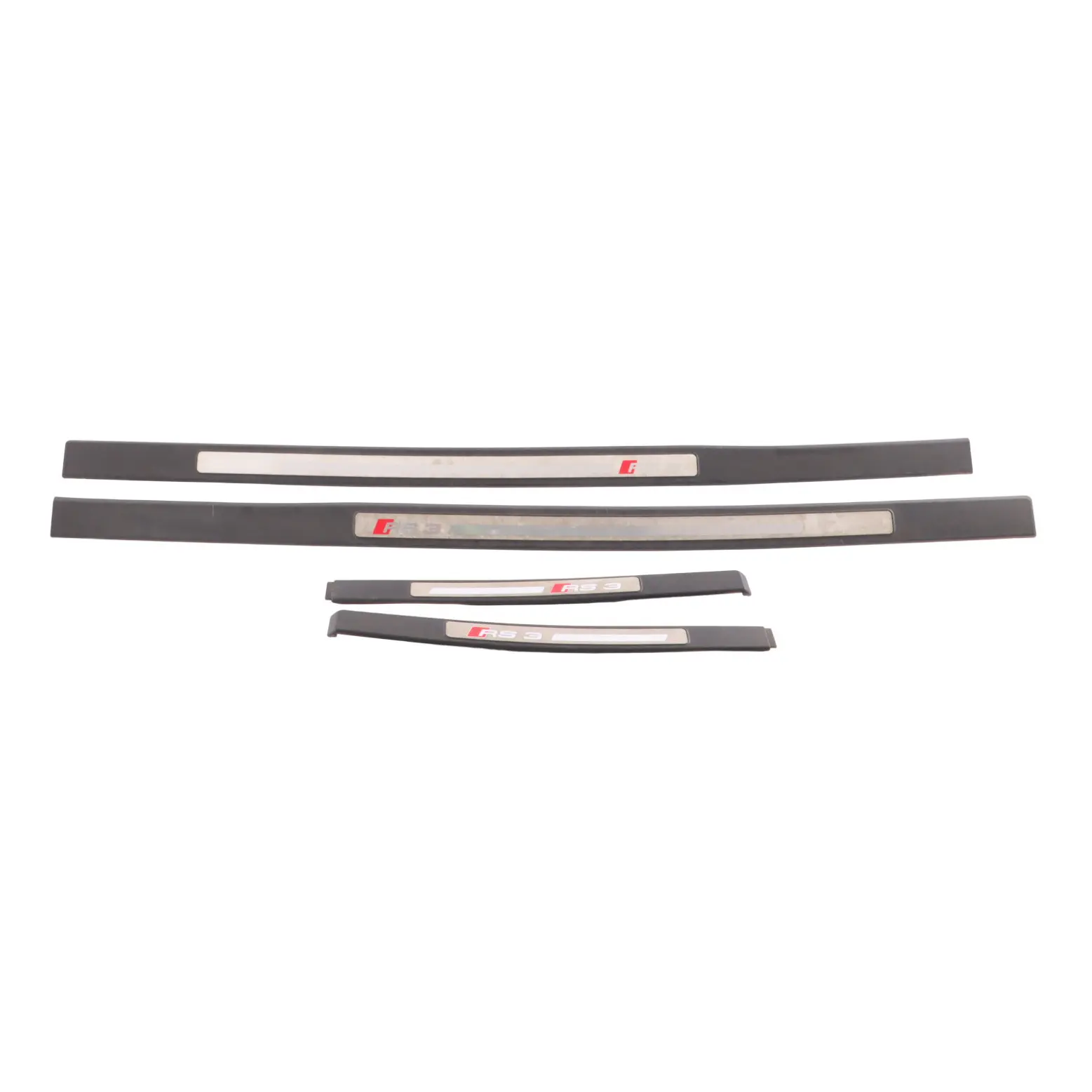
Audi RS3 8P Door Sill Cover Entry Plate Moulding Strip Trim Front Rear Set
€170.95
Free delivery: Oct 8 – 13
If paid before 14:00