









Out of Stock
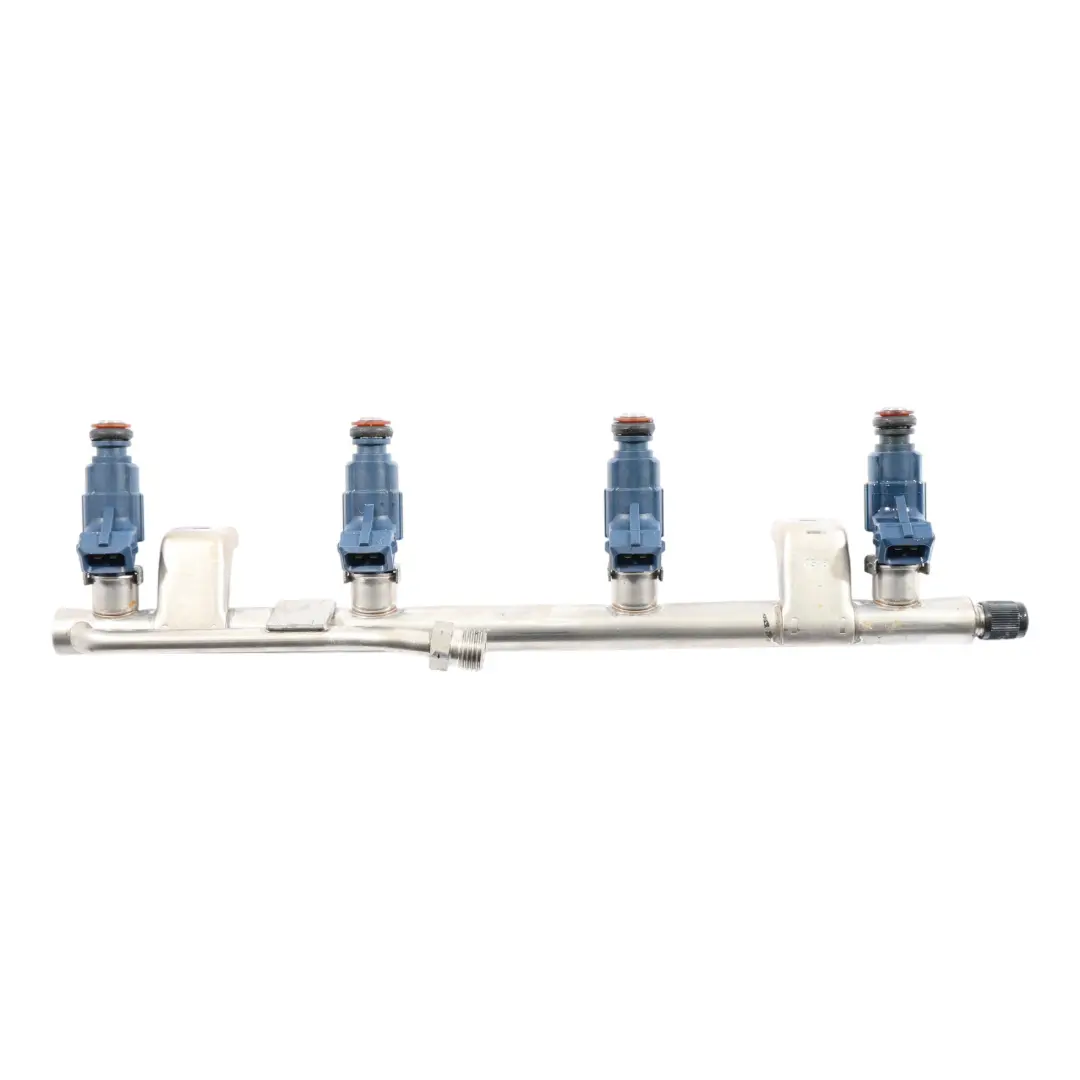
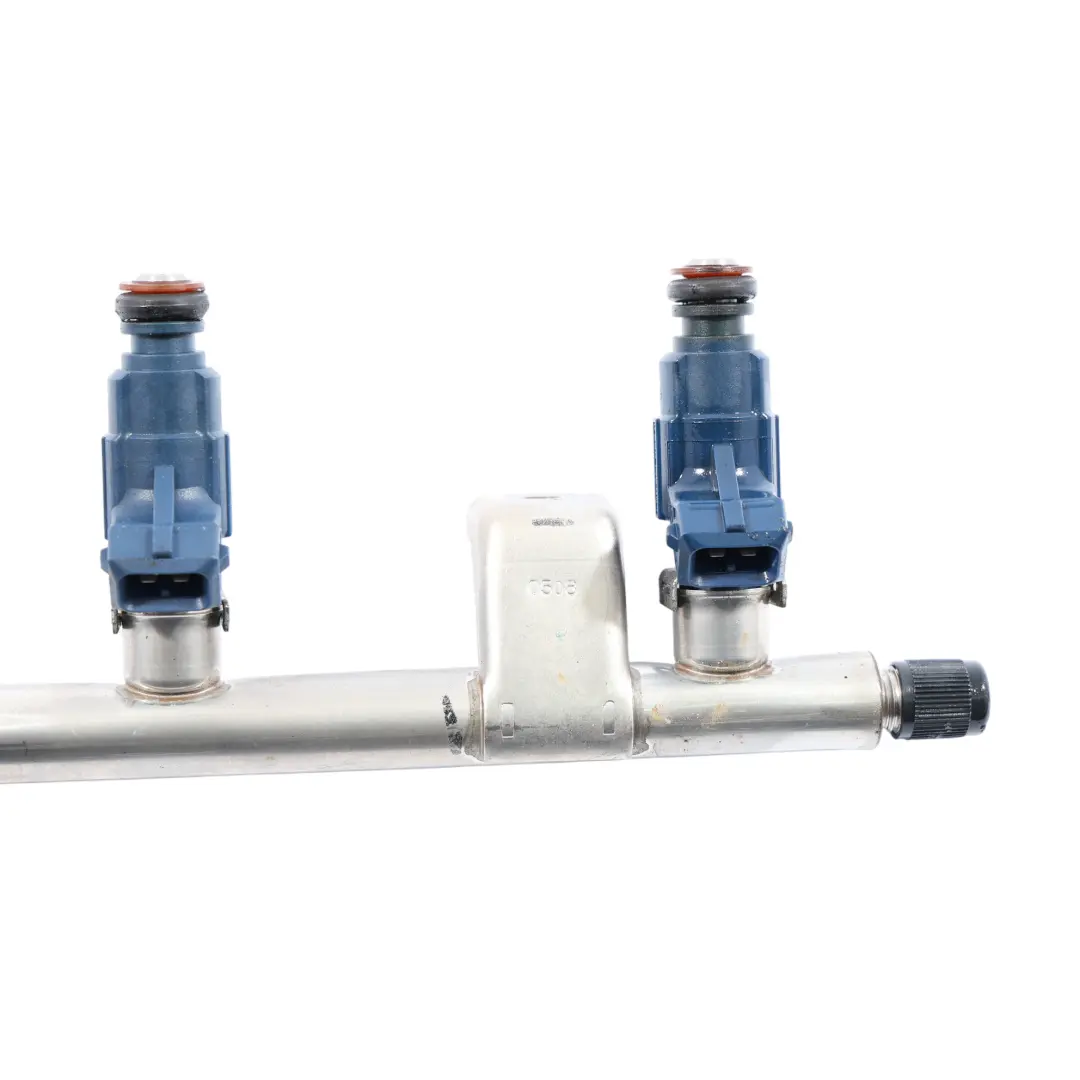
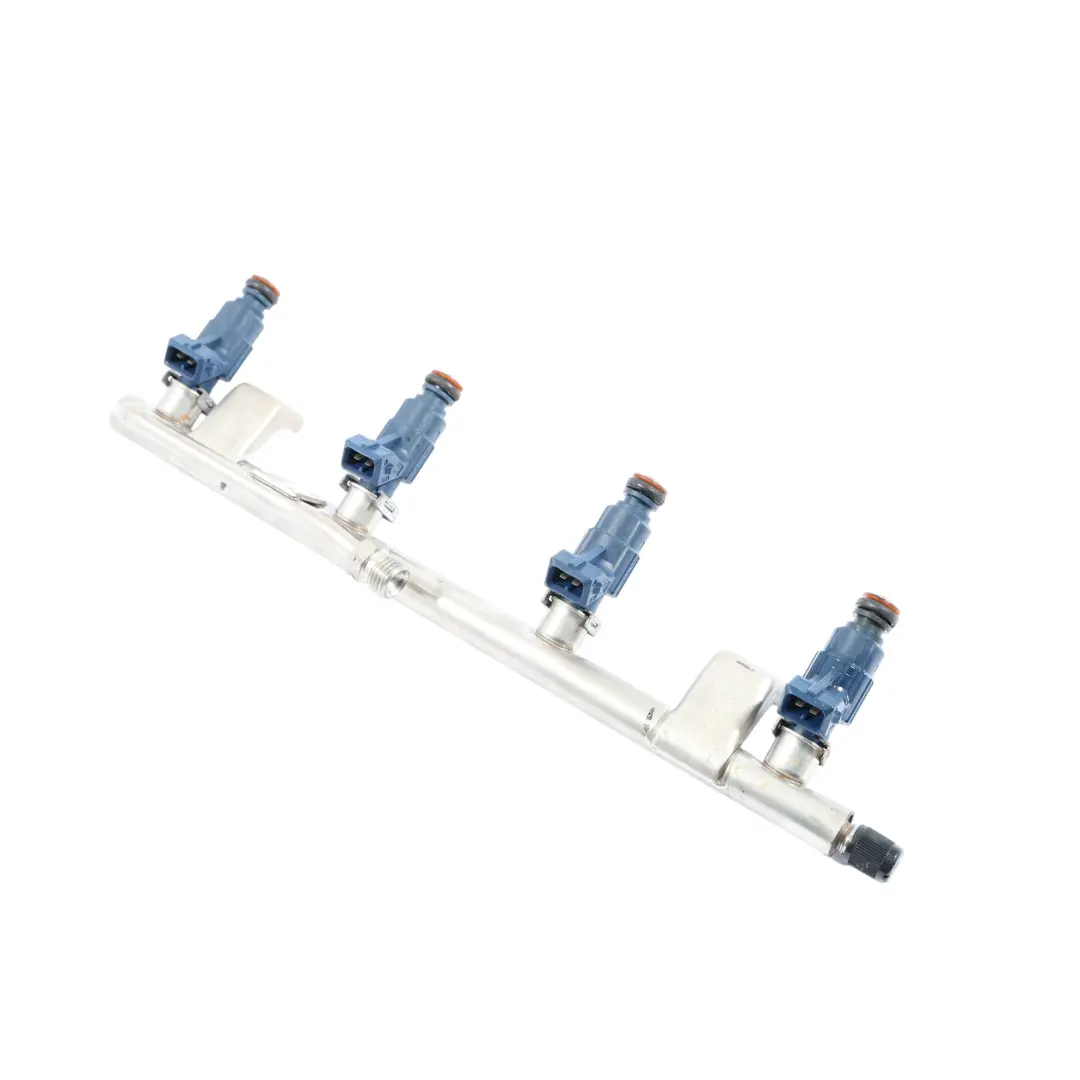
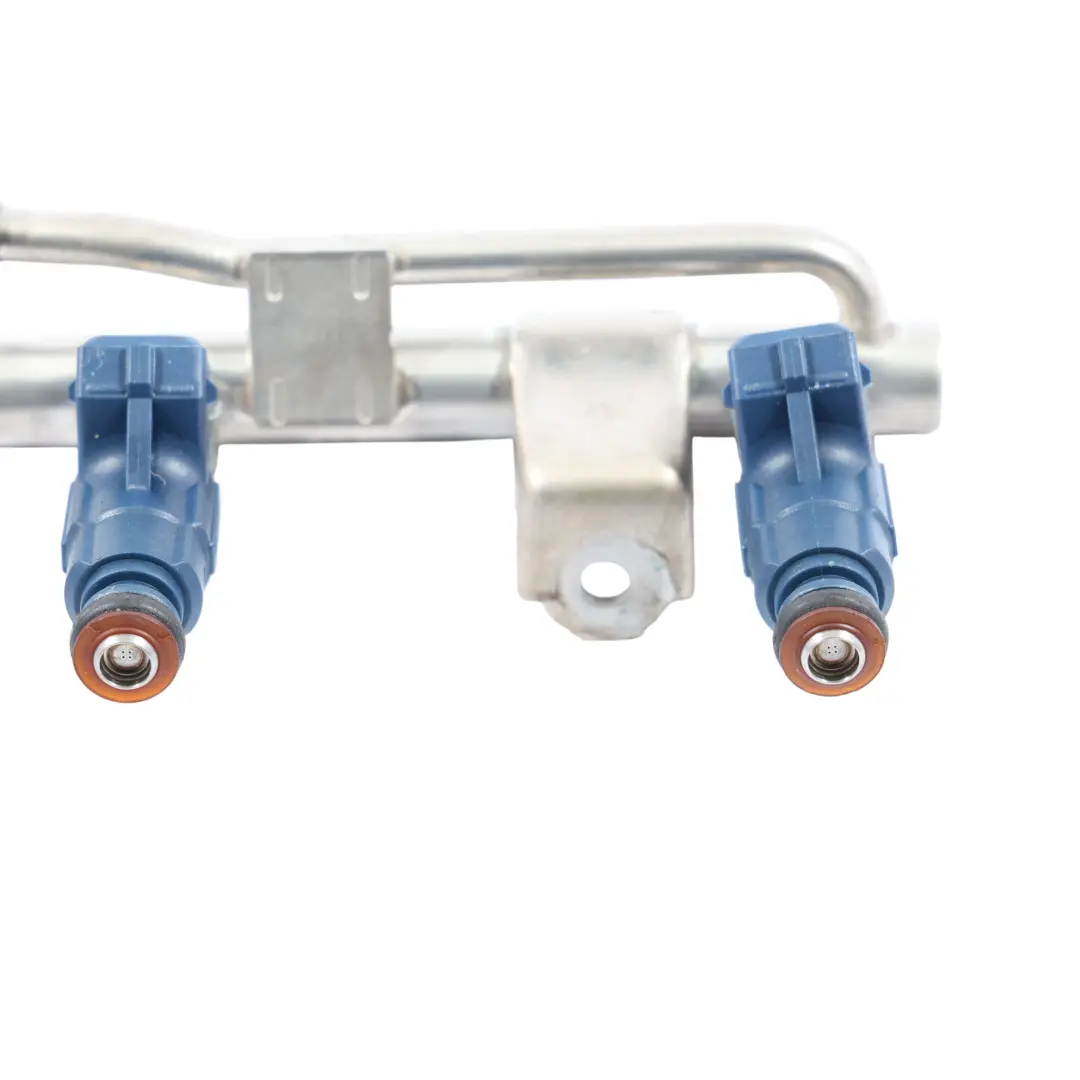
Audi A4 B7 1.8 T BFB Petrol Injector Fuel Rail 06B133317AF
SKU: 06B133317N
Product from a certified dismantling facility
Condition:
Used
Available:
0
Delivery time:
Product currently unavailable
Payment methods:








Returns:
30 days return
Delivery from:
€0.00
This part is currently not available. Leave your email and we will notify you when the product is available again.
The Audi A4 B7 1.8 T BFB Fuel Rail is a component of the gasoline fuel system, designed for spark-ignition engines. It is responsible for the stable distribution of fuel to the injectors, which directly impacts the engine's running smoothness and combustion parameters.
Specifications and technical data
- SKU: 06B133317N
- Mark: Audi
- Condition: Used
- OEM Part Number: 06B133317N
- Substitutable numbers: 06B133317N, 06B 133 317 N
- Fuel type: Petrol
- Category: Fuel Injectors
Purpose and Role in the Fuel System
The fuel rail for Audi A4 B7 1.8 T BFB operates within the gasoline system, ensuring uniform fuel supply to all cylinders. A correctly selected fuel rail helps maintain proper fuel pressure at the injectors, which translates to:
- stable engine operation across the entire RPM range,
- precise gasoline dosing by the injectors,
- more predictable throttle response during acceleration,
- maintaining the correct air-fuel mixture under varying load conditions. This component is crucial for the proper cooperation between the engine control unit and the injection system, especially in turbocharged engines where stable fuel supply is vital for component durability.
Construction and Fit for the 1.8 T BFB Unit
The fuel rail has been designed for a specific gasoline engine configuration, meaning appropriate positioning of injector ports and fuel line connections. This allows for:
- secure seating of injectors in the rail and cylinder head,
- proper routing of fuel lines without stress,
- maintaining the factory system geometry under the hood,
- reducing the risk of leaks at connections. Such a precise fit contributes to maintaining the engine's factory performance parameters and facilitates diagnostics in case of potential fuel supply issues.
Used Condition and Practical Aspects
The offered fuel rail comes from the secondary market, allowing for economical repair of the fuel system while maintaining characteristics close to the original. Choosing a used component of this type is particularly beneficial when:
- the original fuel rail has suffered mechanical damage (e.g., cracks, deformation),
- corrosion or leaks have occurred within the body,
- the entire fuel supply line needs replacement along with the injectors. A used fuel rail helps maintain consistency with the factory system, which is important for both durability and subsequent serviceability.
Benefits of Using a Dedicated Fuel Rail
Using a properly selected fuel rail in a gasoline engine brings a range of tangible operational benefits:
- stabilization of combustion parameters under various operating loads and temperatures,
- reduced risk of misfires related to insufficient fuel supply,
- better cooperation with the engine control system and fuel trim sensors,
- maintaining predictable vehicle behavior during acceleration and under load. For workshops and private users, this means easier diagnostics, fewer returns to the service center, and more consistent measurement results during adjustments and road tests.
Audi Injector Nozzles – Selection and System Expansion
If you are planning a comprehensive service of the fuel system, it is also worth considering other components from the same group. For this model, injector nozzles are particularly important, as their condition affects fuel atomization and cylinder uniformity. If you are looking for other solutions in this category, check out the available Audi injector nozzles to select a configuration suitable for your specific engine version.
Technical Support and Fuel Injection System Operation
Although the described component pertains to a gasoline engine, the principle of operation and typical symptoms of fuel supply problems are similar to solutions used in diesel engines. It is worth familiarizing yourself with material discussing the symptoms and consequences of neglecting the fuel injection system – practical information can be found in the article “Diesel Injector Failures – How to Recognize Them and What Their Neglect Entails”, which helps to better understand the importance of regular diagnostics and proper servicing. For users who prioritize a conscious approach to vehicle operation and optimizing repair costs while maintaining an appropriate level of quality, material on parts recycling may also be useful. A broader context of using components from the secondary market is described in the article “Eco-Driving: Discover the Benefits of Used Car Parts”, which shows how choosing used components can combine economic aspects with environmental care.
Delivery details
Ship to: Spain
Check delivery times for another country
Delivery Price
Service
Postage and packaging
Delivery time
Estimated delivery dates include sellers dispatch time, origin postcode,destination postcode and time of acceptance, and will depend on the postage service selected and receipt of cleared payment. Delivery times may vary, especially during peak periods.
Will usually dispatch within same working day if paid before 14:00 BST (excludes weekends and holidays). Expected dispatch time may vary and is based on sellers order cut-off time.
In the automotive store Global Parts, we offer fast and secure deliveries for our customers in Spain, ensuring maximum compliance with local service standards. Each order is processed with the utmost attention, guaranteeing a fluid shopping process and a timely delivery. If you need assistance in choosing the right part, our team of consultants will be happy to help you find the right part for your vehicle and provide information on installation, availability and parameters of the selected components.
Proposed car parts:
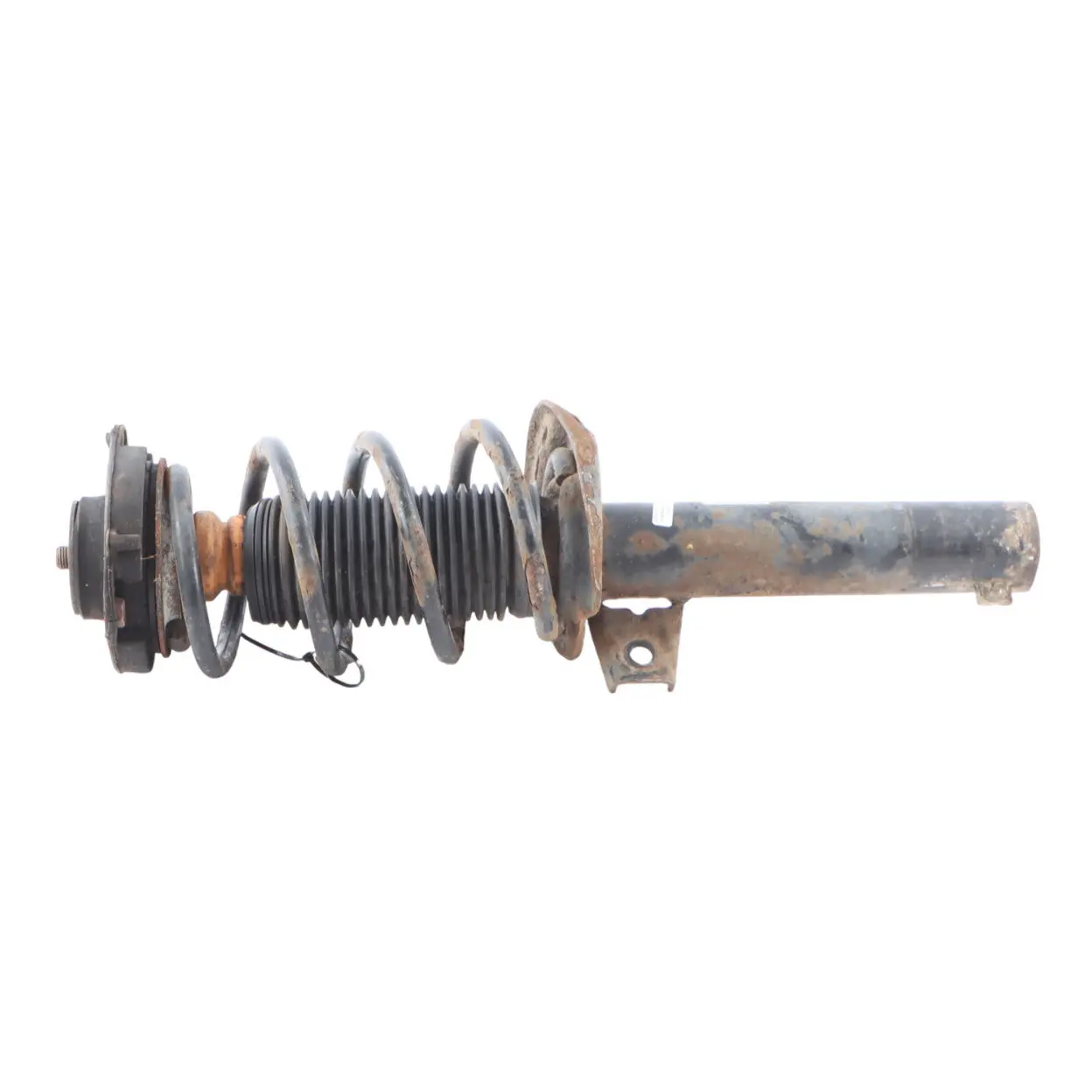
-15%
Part no. 8J0413031H
Audi A4 B7 Spring Strut Front Shock Absorber Right O/S Suspension 8J0413031H
Promo price
€94.95
€80.71
Free delivery: Oct 20 – 23
If paid before 14:00

Part no. 8E0881806K
Audi A4 B7 Sedan Avant Front Seat Right O/S Cloth Black
€132.95
Free delivery: Oct 20 – 23
If paid before 14:00
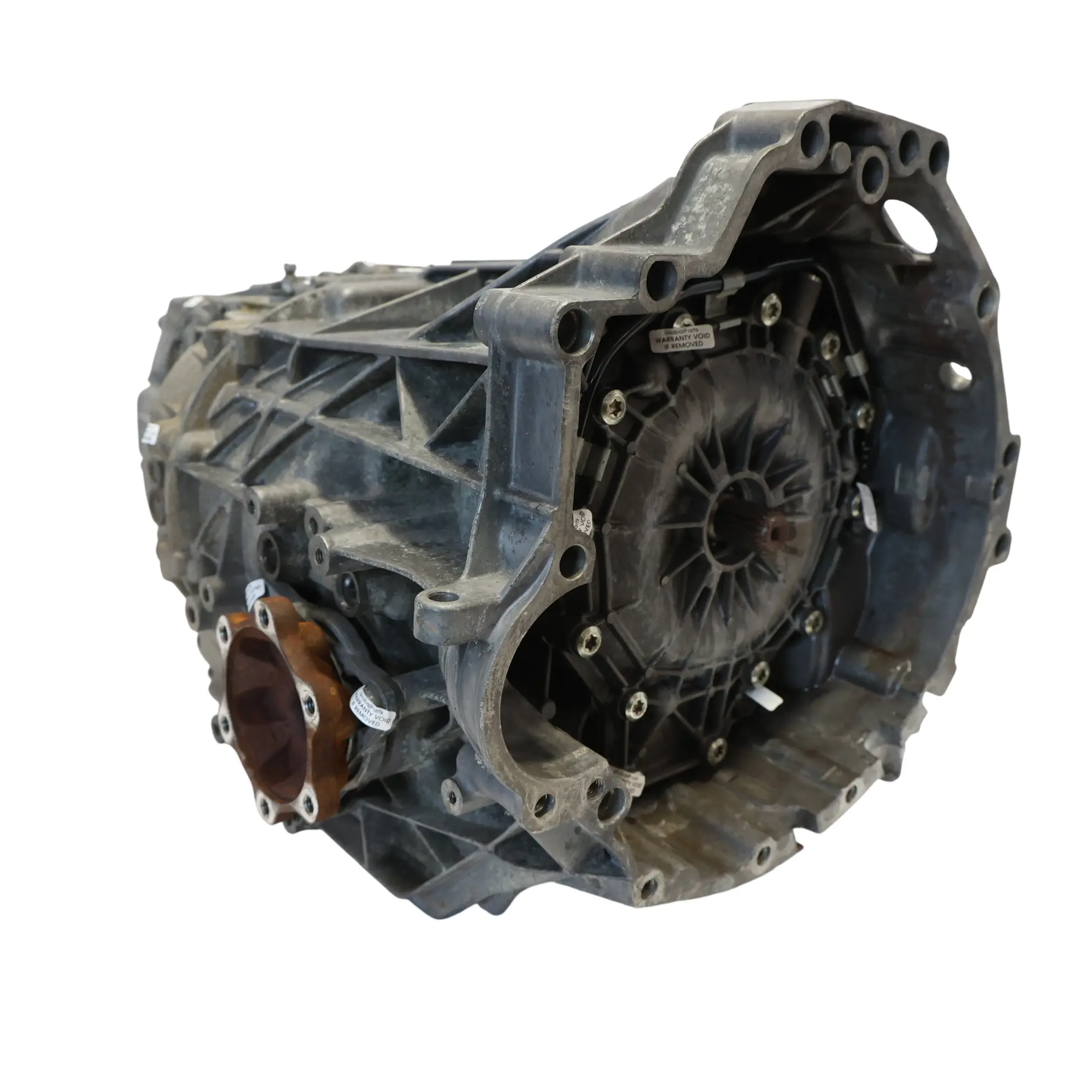
Part no. 01J300062G
Audi A4 B7 2.0 TDI Automatic Gearbox Multitronic CVT KTS 01J300062G WARRANTY
€1,804.95
Free delivery: Oct 20 – 23
If paid before 14:00

Part no. 8W0419091CS-1
Audi A4 B9 A5 F5 Steering Wheel S-Line NEW Black Leather Paddles 8W0419091CS
€237.95
Free delivery: Oct 20 – 23
If paid before 14:00
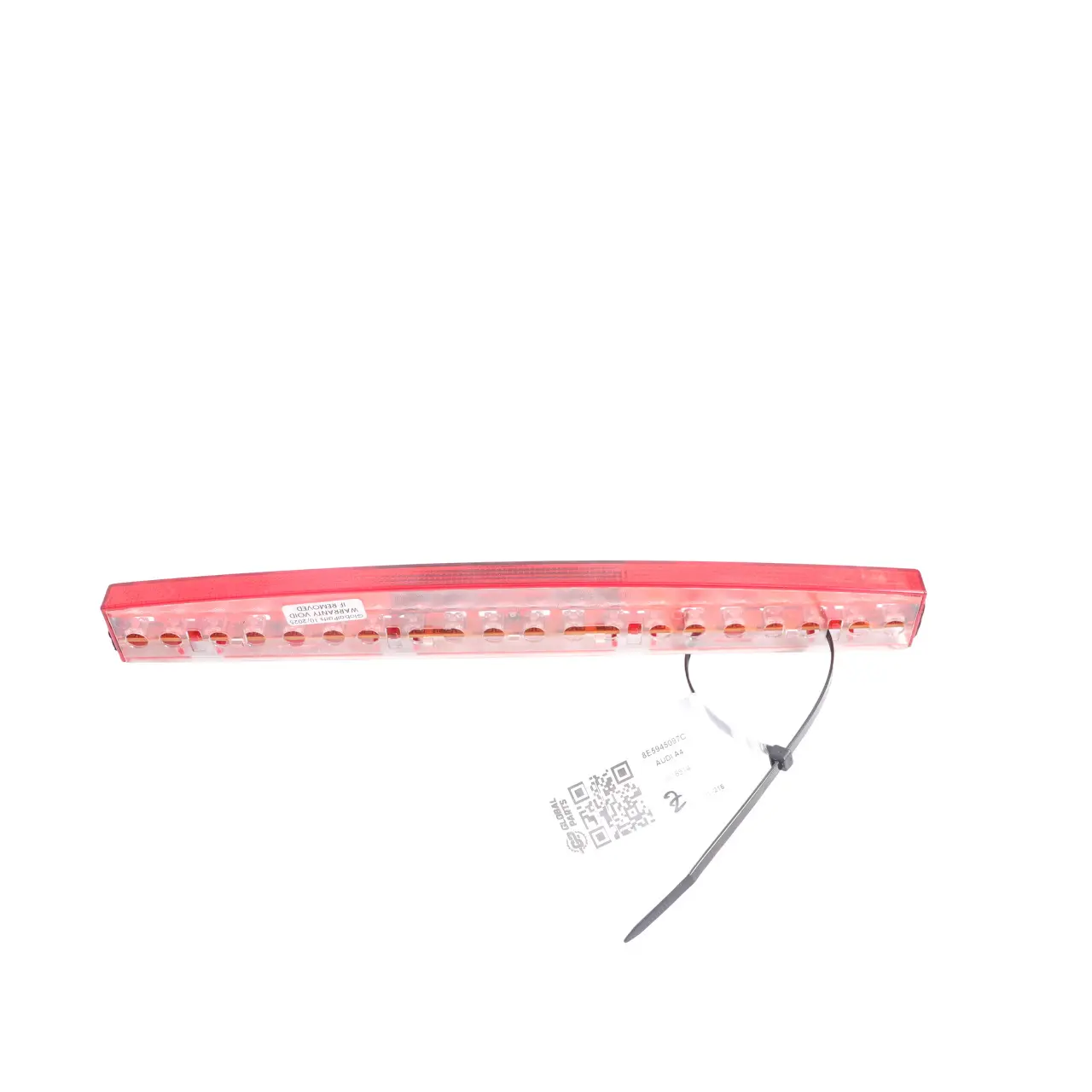
-40%
Part no. 8E5945097C
Audi A4 B6 B7 Saloon Rear Third Brake Stop Light Centre Lamp Red 8E5945097C
Promo price
€56.95
€34.17
Free delivery: Oct 20 – 23
If paid before 14:00

Part no. 8K9833051D-IWH
Audi A4 B8 Avant Rear Door Left N/S Ibis White - Y9C
€332.95
Free delivery: Oct 20 – 23
If paid before 14:00
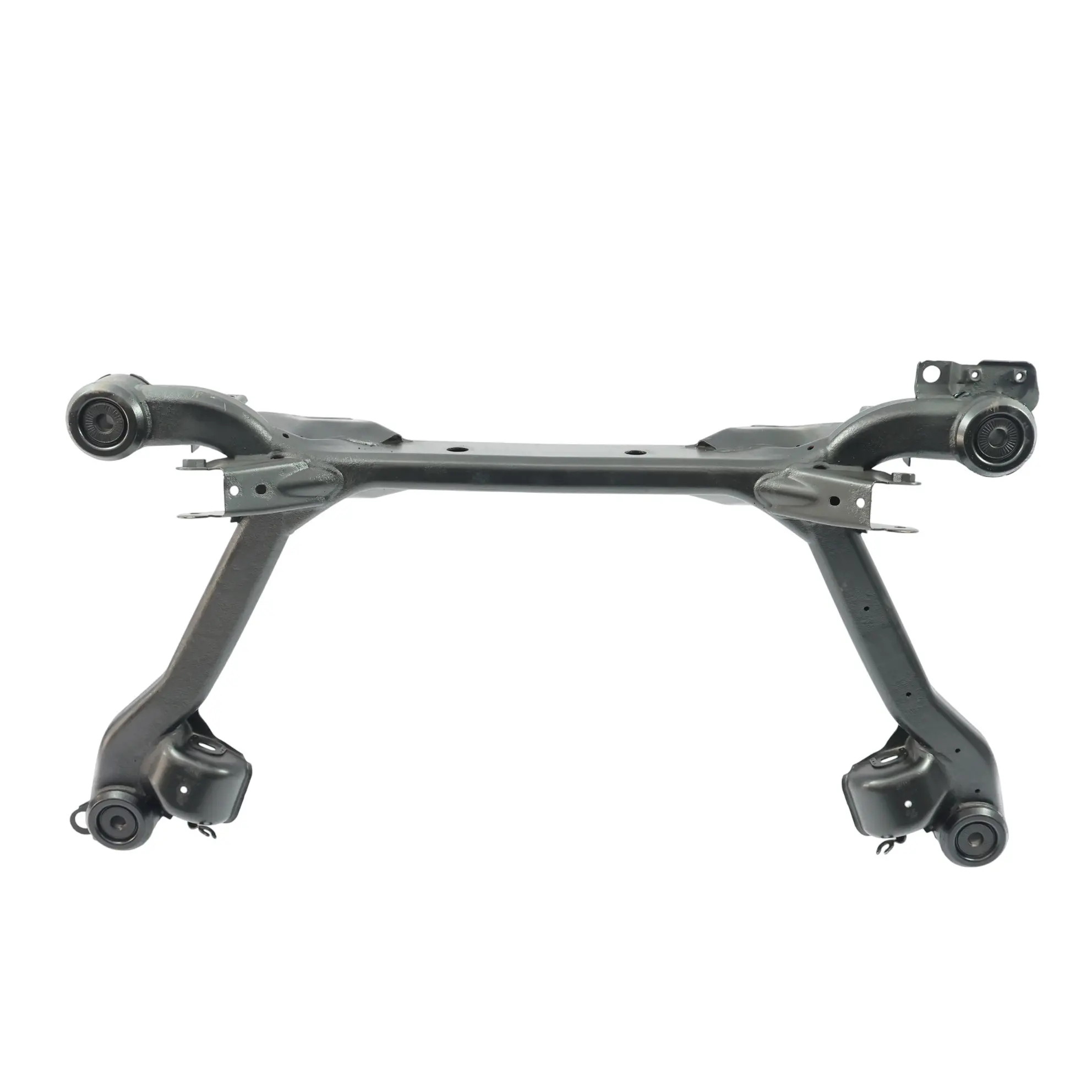
Part no. 8H0505235E
Audi A4 S4 B7 Quattro Rear Axle Suspension Cradle Subframe Carrier 8H0505235E
€284.95
Free delivery: Oct 20 – 23
If paid before 14:00
-10%
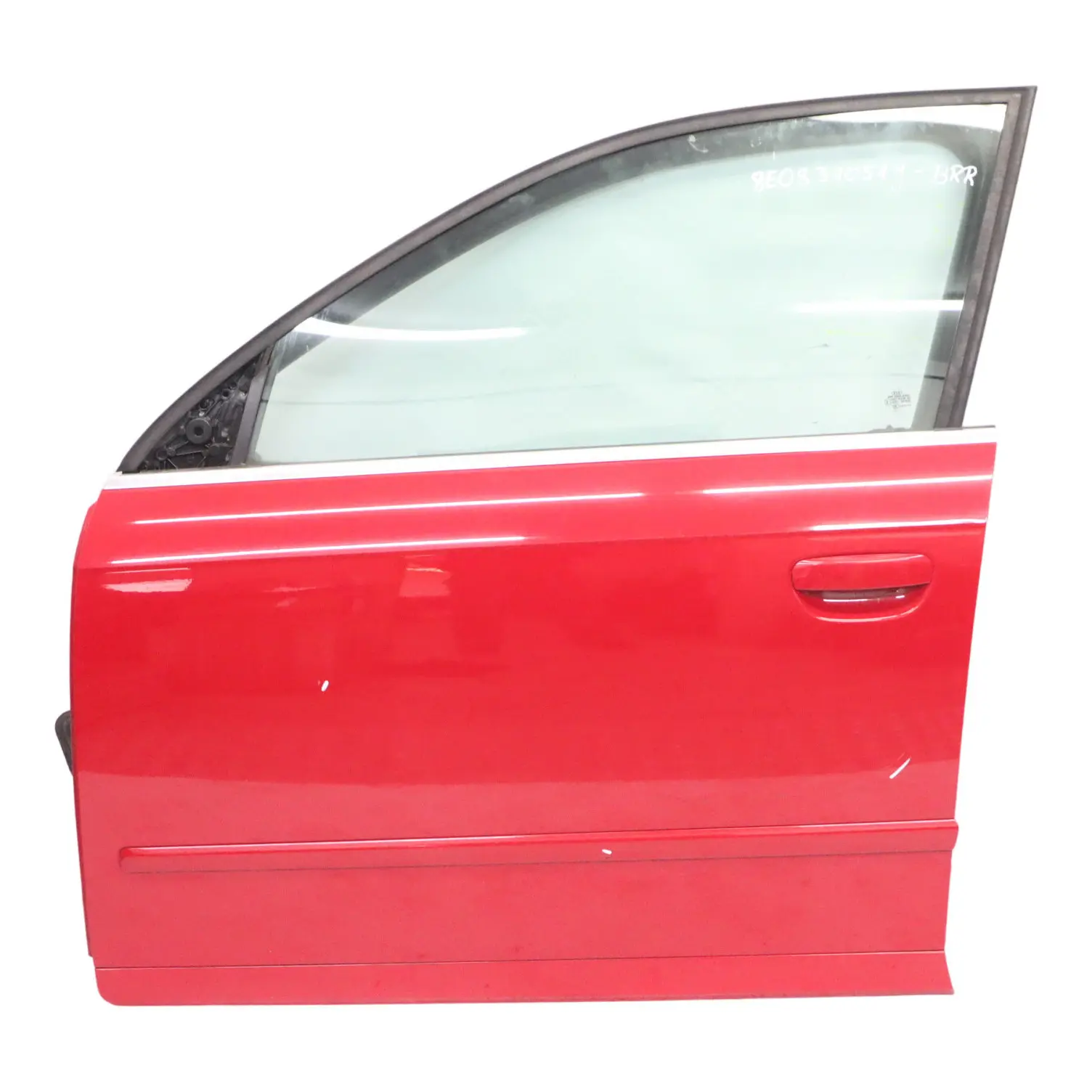
Part no. 8E0831051J-BRR
Audi A4 B7 Front Door Left N/S Door Panel Cover Brilliant Red - Y3J
Promo price
€284.95
€256.46
Free delivery: Oct 20 – 23
If paid before 14:00

Part no. 8K9833051D-TOG
Audi A4 B8 Avant Rear Door Left N/S Tornado Grey Metallic - X7P 8K9833051D
€332.95
Free delivery: Oct 20 – 23
If paid before 14:00
-15%
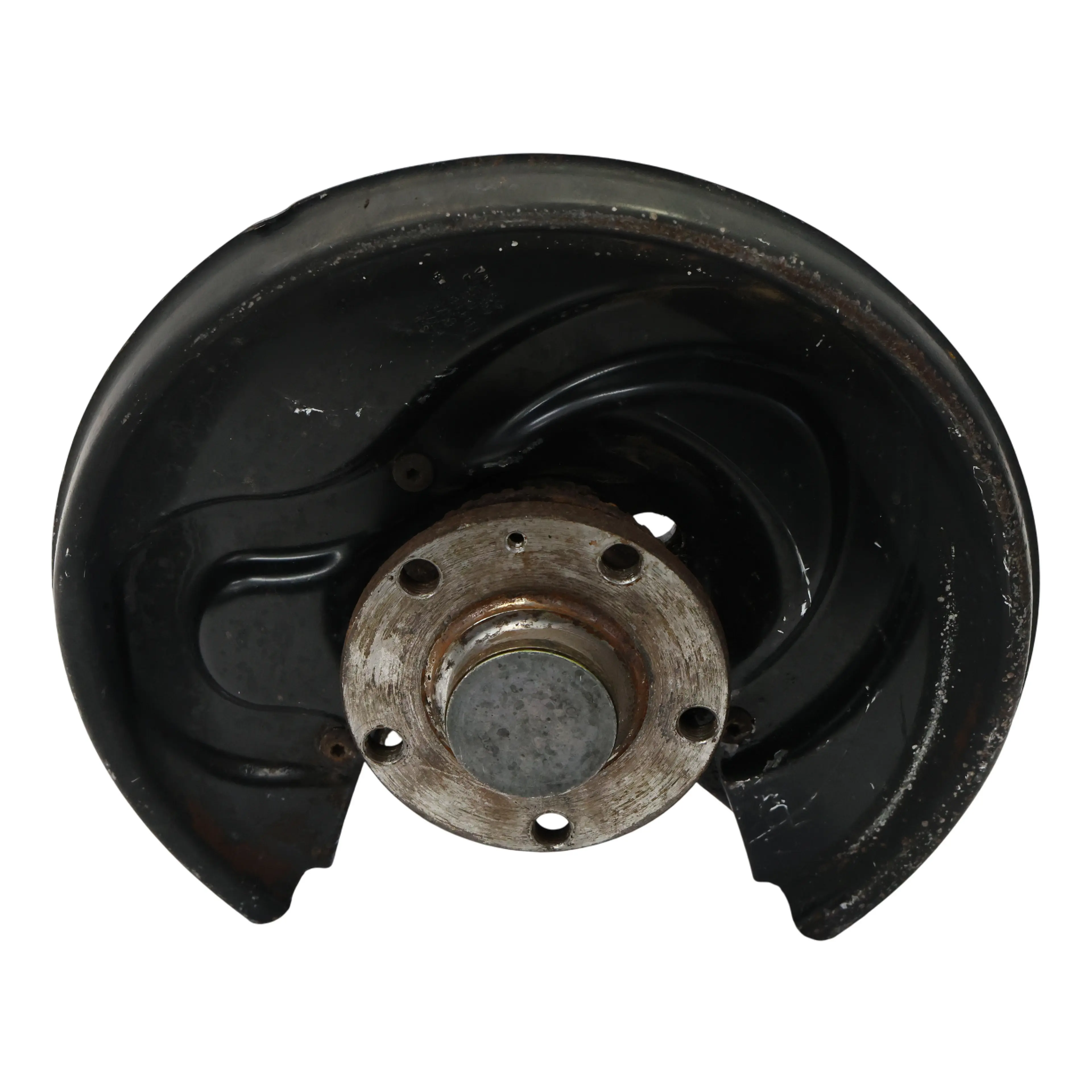
Part no. 8E0505431AF
Audi A4 B7 Cabrio Rear Wheel Carrier Suspension Wheel Hub Left N/S 8E0505431AF
Promo price
€56.95
€48.41
Free delivery: Oct 20 – 23
If paid before 14:00
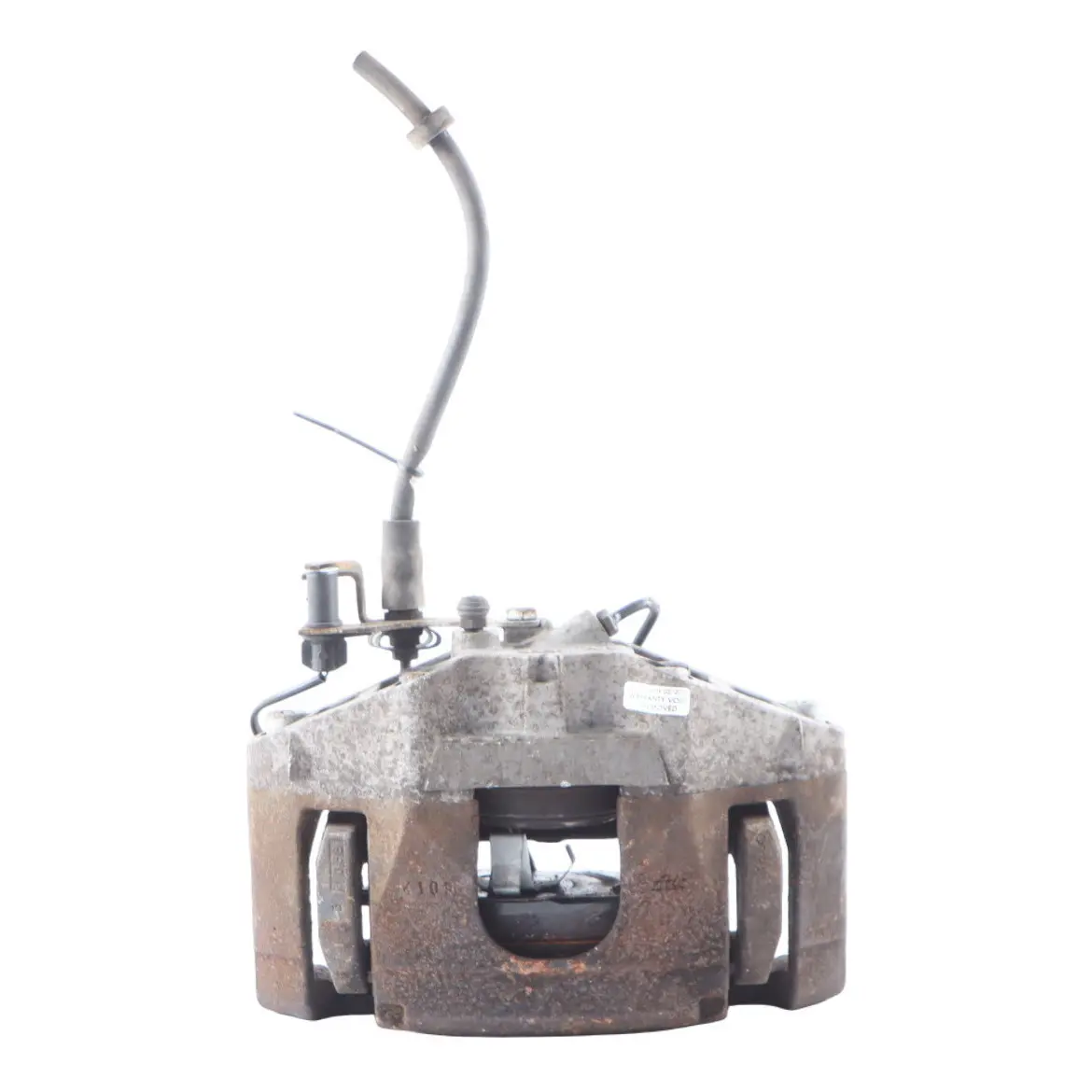
Part no. 4E0615123A
Audi A4 B7 B8 Front Brake Caliper Housing Carrier Left N/S 4E0615123A
€47.95
Free delivery: Oct 20 – 23
If paid before 14:00
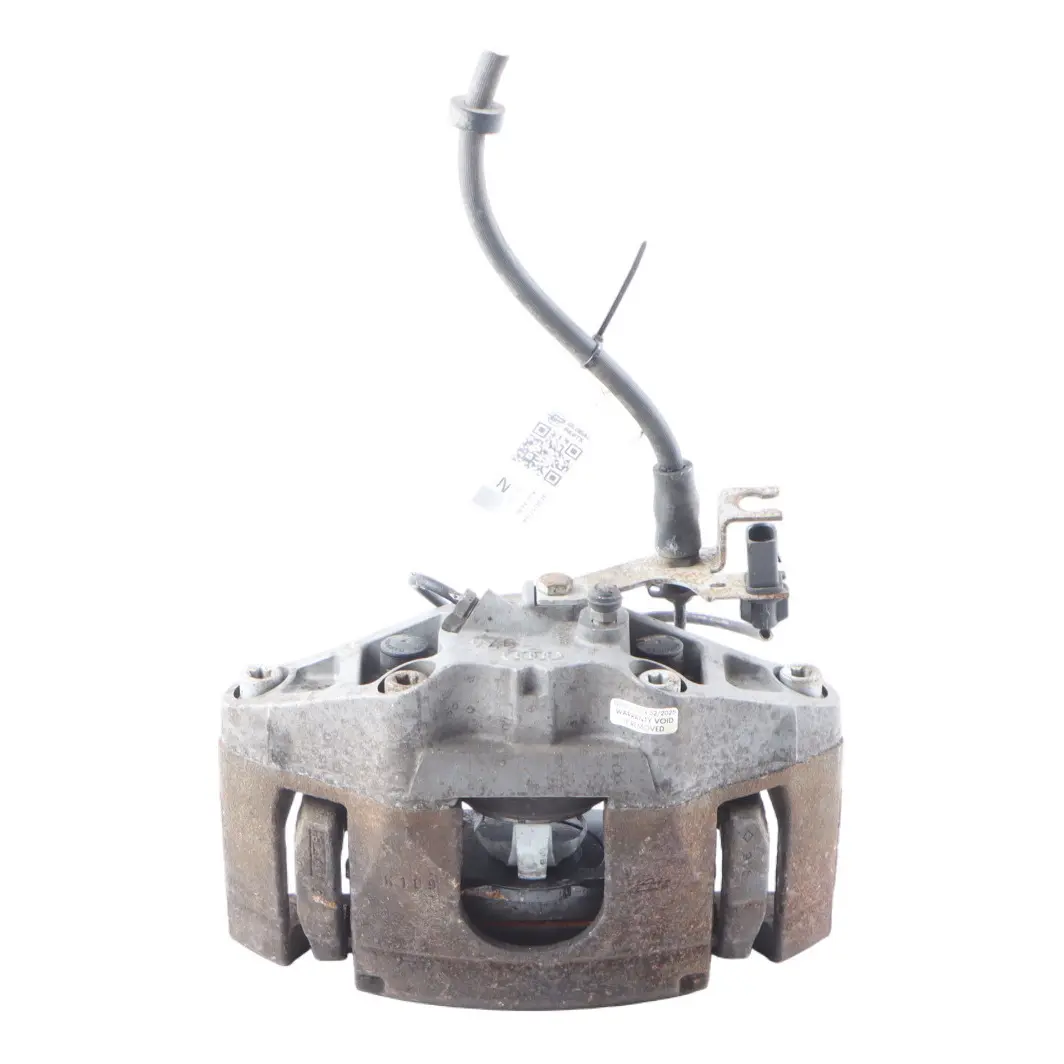
Part no. 4E0615124A
Audi A4 B7 B8 Front Wheel Brake Caliper Housing Brake Unit Right O/S 4E0615124A
€56.95
Free delivery: Oct 20 – 23
If paid before 14:00