


Tyre Sealants
Find it faster
Match to your vehicle
Make
Category
Condition
In Stock
Price
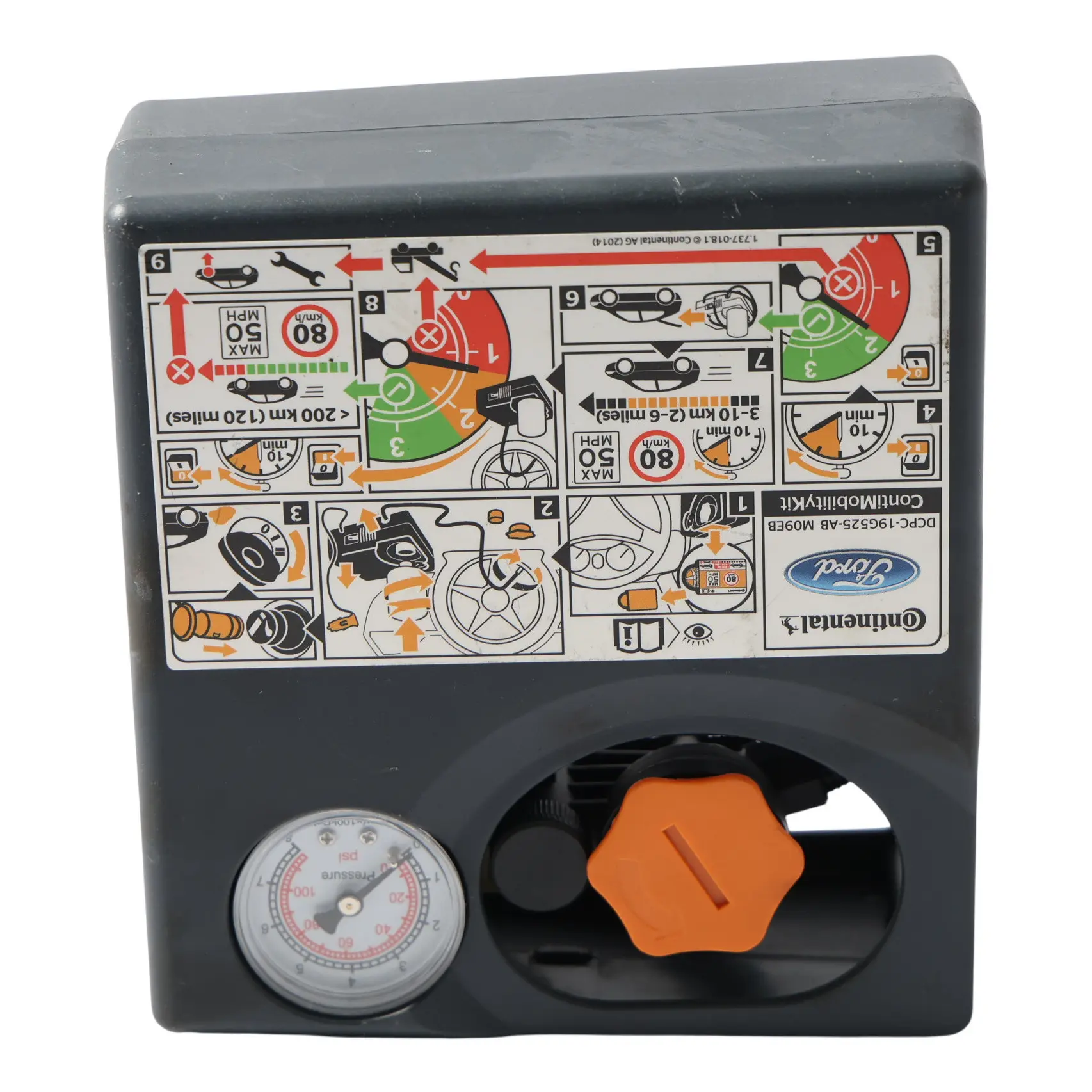
Part no. DCPC-19G525-AB
Ford ContiMobilityKit Emergency Tool Compressor Tire Wheel Pump DCPC-19G525-AB
€42.95
Free delivery: Oct 6 – 9
If paid before 14:00
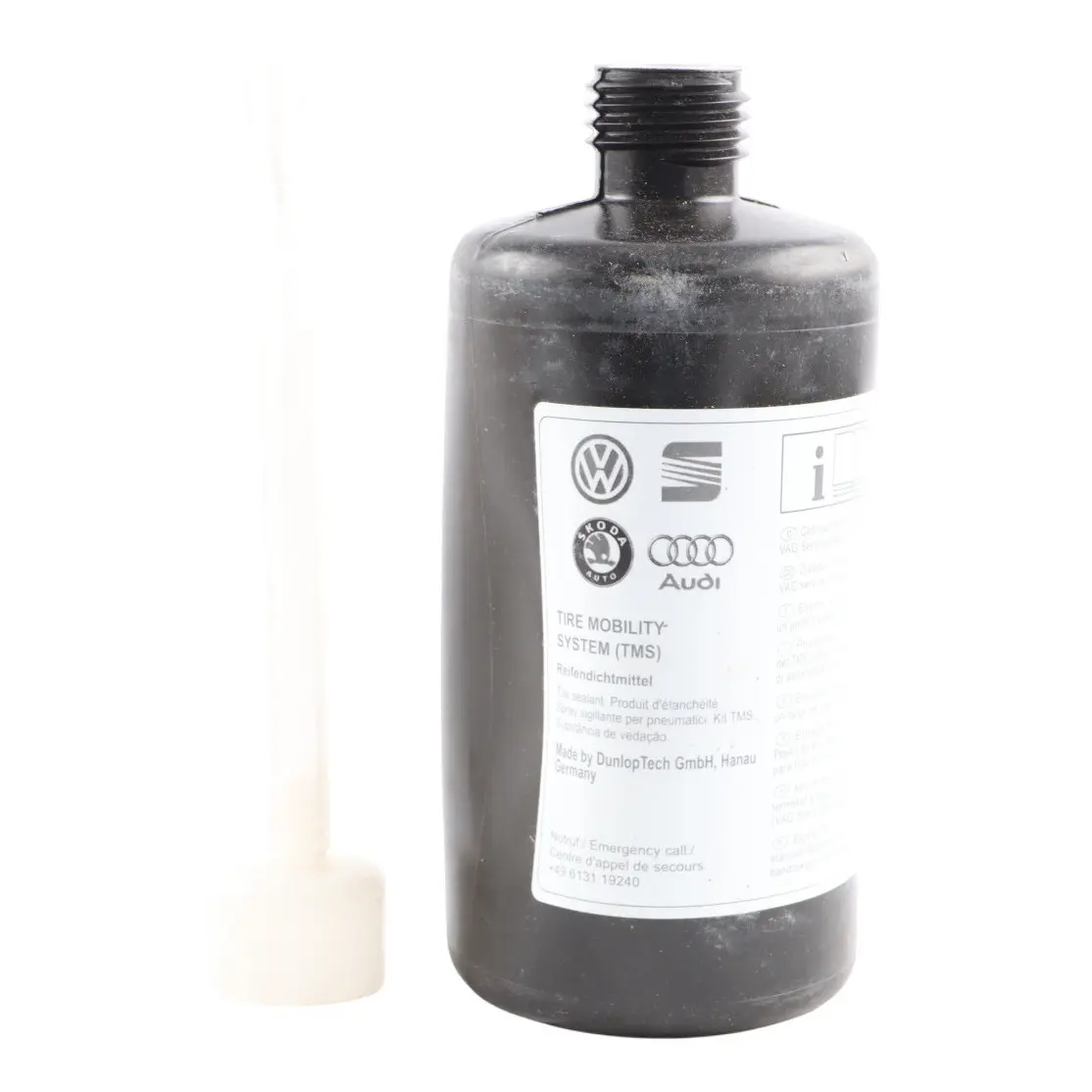
Part no. 8E0012619
Tyre Sealant VW AUDI SKODA SEAT Tire Puncture Repair Glue Bottle 8E0012619
Product currently unavailable
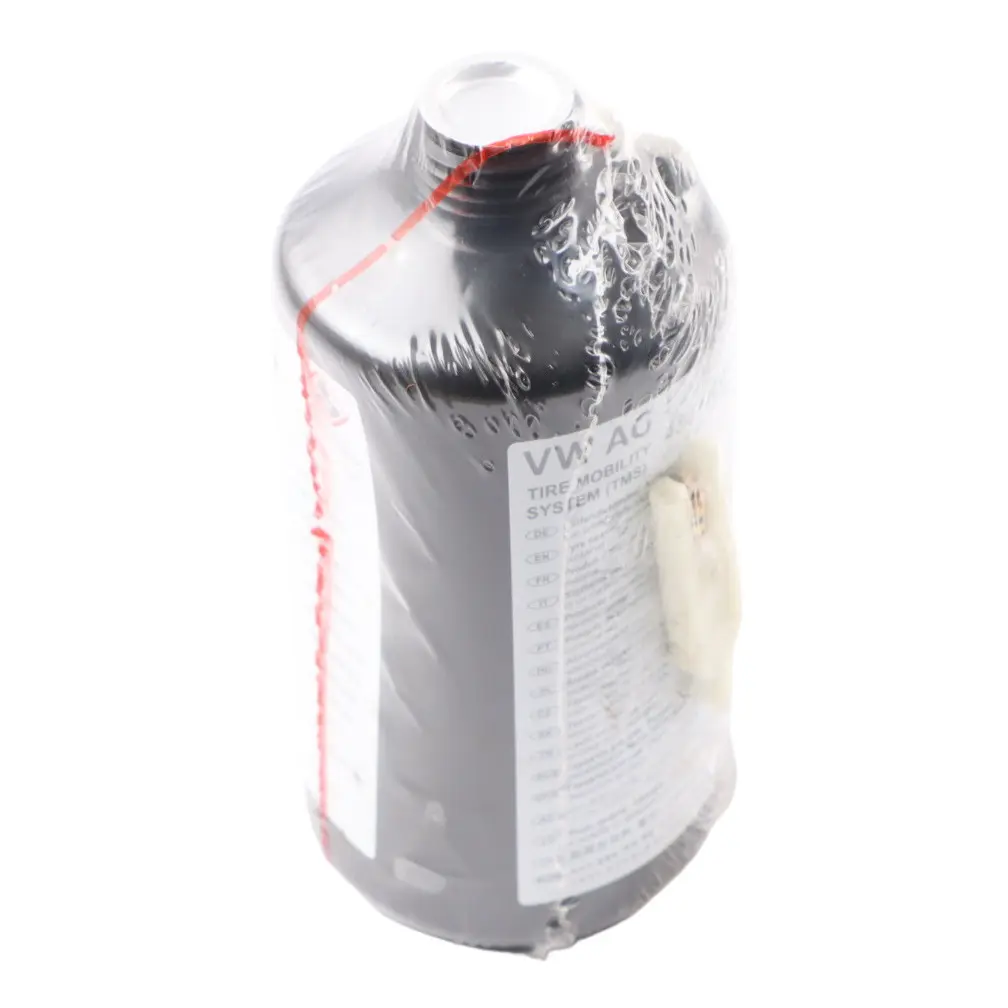
Part no. 8E0012619A
Tyre Sealant VW AUDI SKODA SEAT Tire Puncture Repair Glue Bottle 8E0012619A
Product currently unavailable
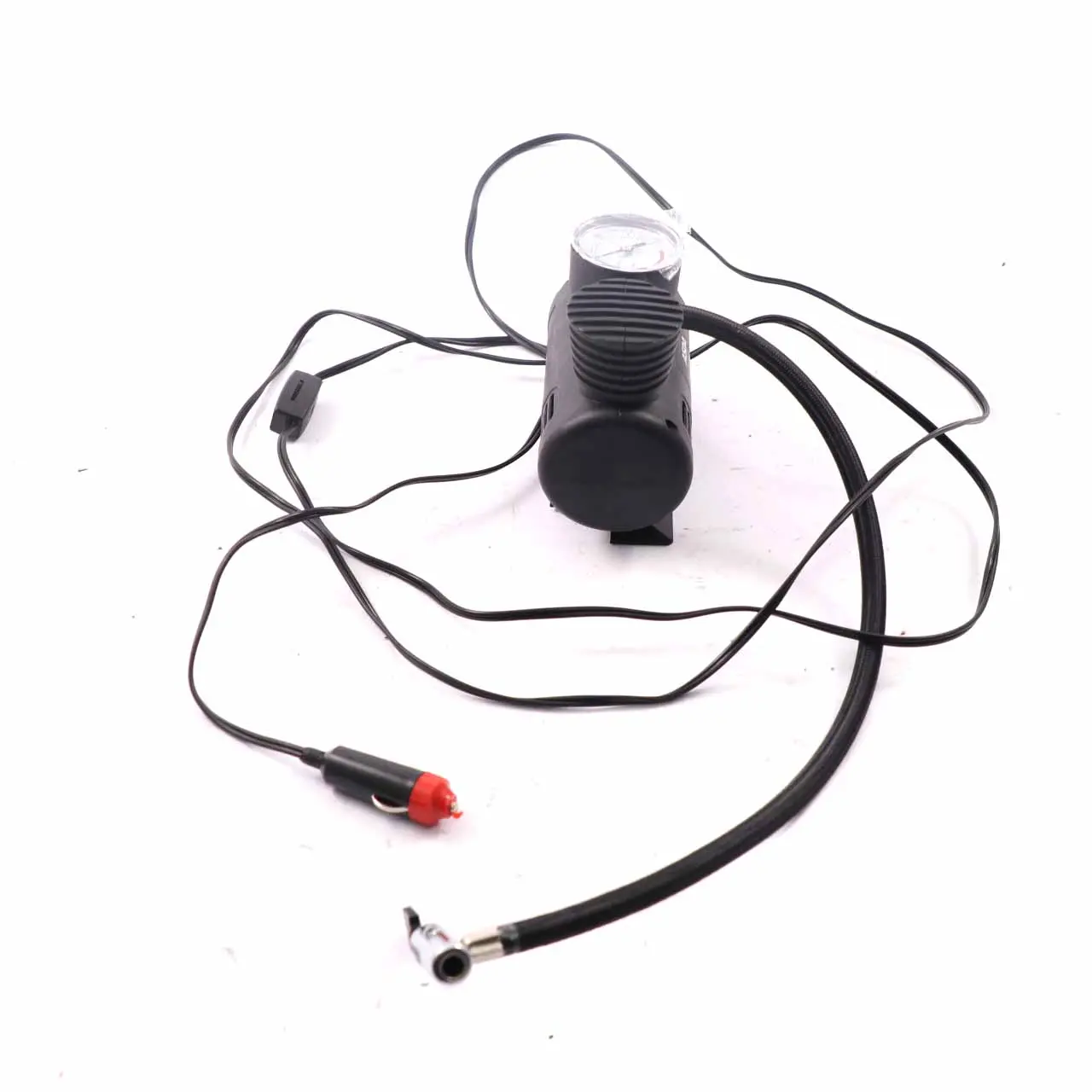
Part no. TWA-01
ASDA Air Compressor Emergency Tool Tire Compressor Wheel Pump TWA-01 150 PSI
Product currently unavailable
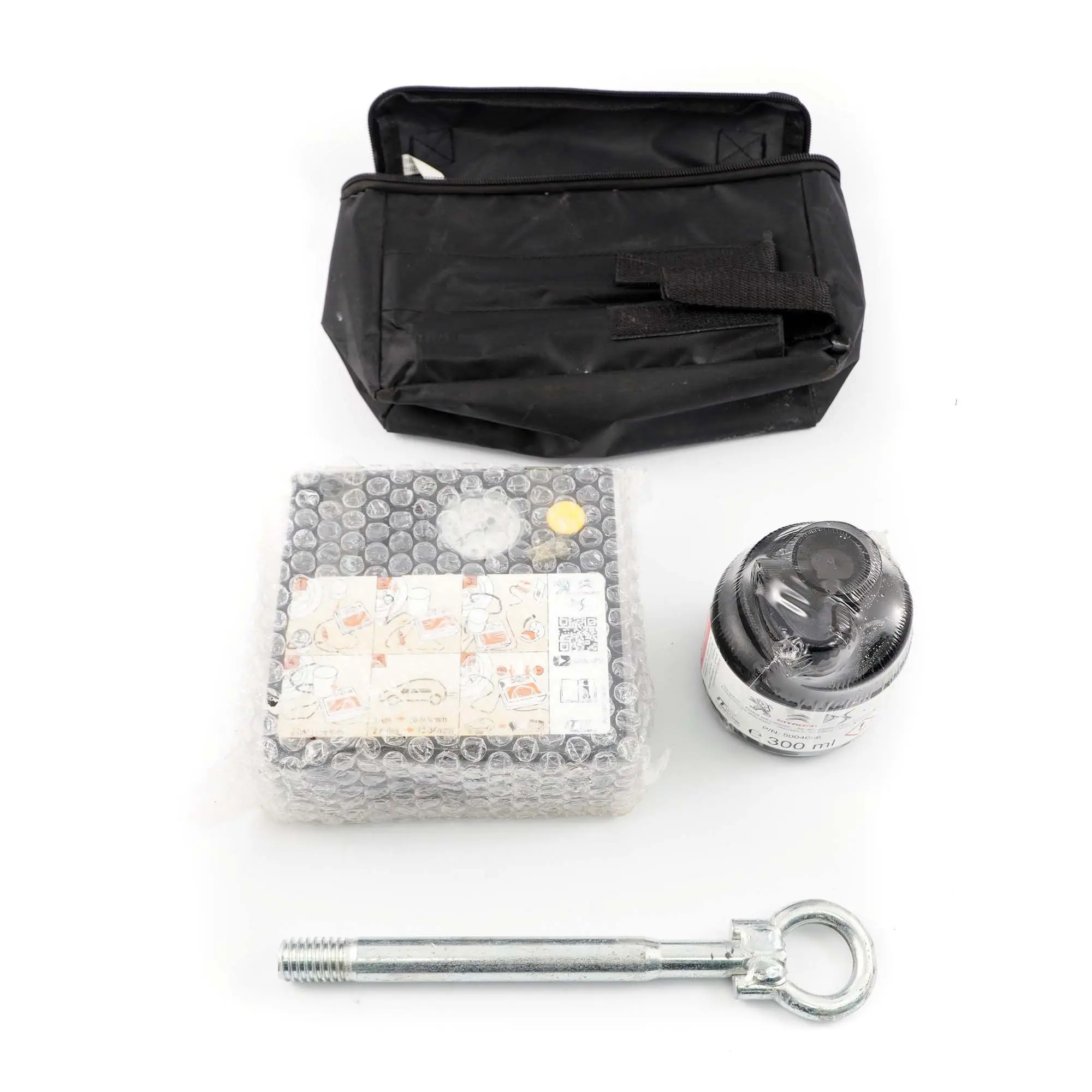
Part no. 9616284980
Genuine Citroen DS Peugeot Compressor Pump Inflator Tyre Sealant Mobility Kit
Product currently unavailable
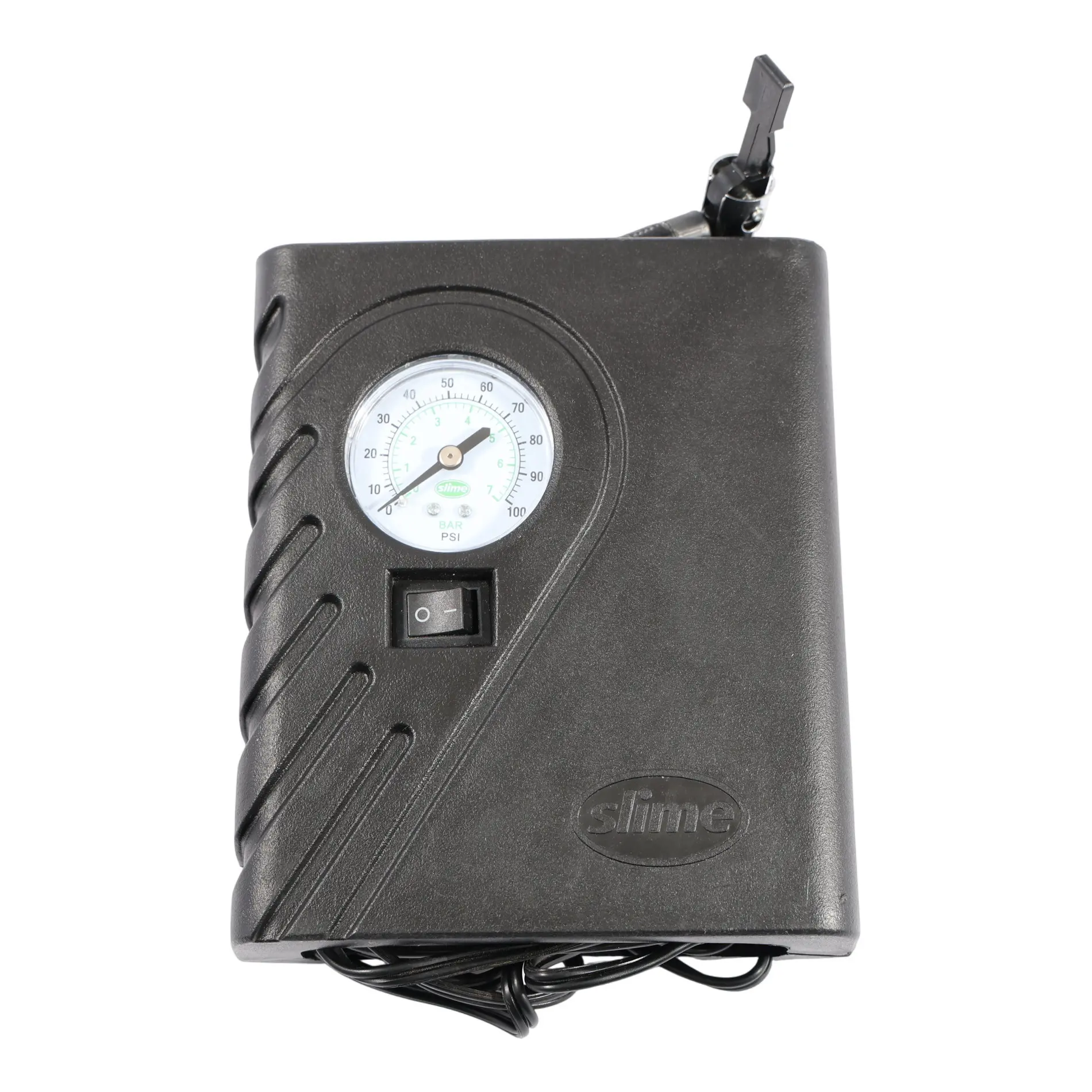
Part no. SLIME-SMART-REPAIR-1
Genuine Slime Smart Repair Tyre Air Compressor Pump Inflator Motor
Product currently unavailable
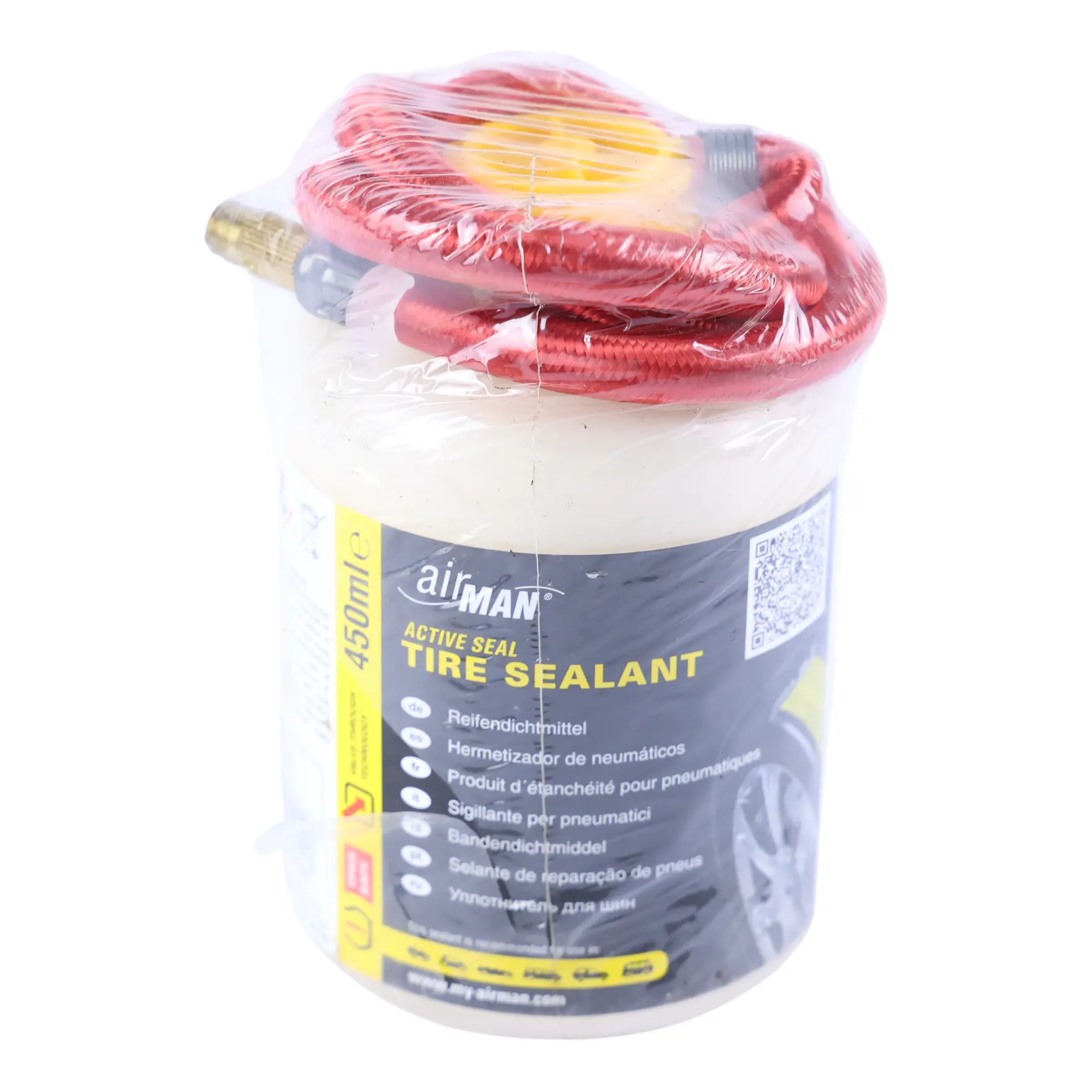
Part no. AIRMAN-RESQ
Airman Resq Tyre Puncture Repair Kit Active Seal Tyre Sealant Pump
Product currently unavailable
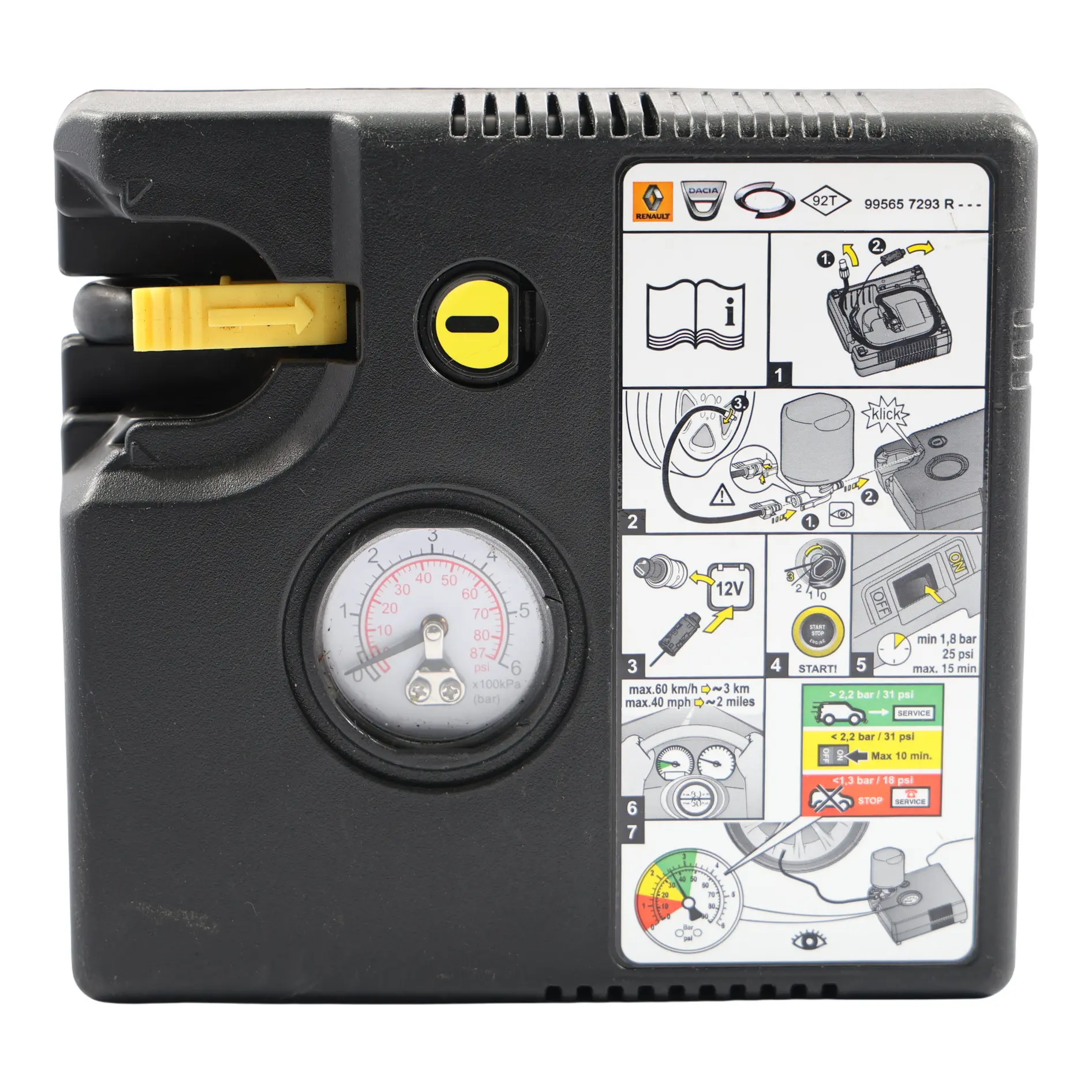
Part no. 995657293R
Renault Zoe Air Compressor Emergency Tool Tire Compressor Wheel Pump 995657293R
Product currently unavailable
Tyre Sealants
In the Global Parts automotive store, you will find a wide selection of used car parts, compatible with brands such as Unbranded, Volkswagen, Renault, and others. Tire sealants are preparations designed for the temporary sealing of punctures in the tread, reducing air loss without the need for immediate wheel removal. This type of agent works inside the tire and, once introduced, reaches the leak site to create a layer that restricts air leakage.
Construction and purpose of tire sealants
Tire sealants are chemical mixtures prepared for short-term or emergency protection of a tire after a minor puncture. They typically consist of a sealing base, additives to improve the distribution of the agent, and a gas or dosing system that allows the preparation to be introduced into the wheel. Their use primarily concerns road situations where it is necessary to restore vehicle mobility and reach a location for proper repair.
The role of emergency sealing in vehicle operation
Emergency sealing is used to limit pressure drops after minor tire damage, most often in the part of the tire that rolls on the road surface. It does not replace a full workshop repair, but it allows the vehicle to remain in motion until the condition of the tire, rim, and valve can be checked. In the case of items such as smart repair slime, it is worth checking the application method, compatibility with the tire size, and manufacturer recommendations regarding further driving and subsequent cleaning of the wheel interior.
Comparison of tire sealant variants
| Preparation type | Application | What to check before selection | Installation notes |
|---|---|---|---|
| Aerosol with hose | Quick application in road conditions | Valve type, recommended tire size, instructions for use | Usually provides both the agent and pressure simultaneously |
| Repair kit fluid | Compatibility with car compressor | Kit compatibility, connection method, expiration date | Requires even distribution inside the tire |
| Workshop preparation | Service maintenance and tire diagnostics | Purpose of the agent, tire type, subsequent cleaning | Most often used as a technical solution, not for emergency use |
Selection of tire sealants and product technical data
When choosing, it is worth comparing the information available with the product, such as Brand, Condition, OEM part number, and interchangeable numbers. The OEM number helps verify compatibility with the factory repair kit intended for a given car version, and interchangeable numbers make it easier to find a suitable equivalent. If the agent is to work with a factory compressor or trunk equipment, it is also good to check the vehicle version, the mounting method of the kit, and the storage location.
Cooperating elements and application practice
The tire valve is the element through which the preparation is introduced and through which pressure is later checked after application. Its patency and technical condition are important for the correct administration of the agent, which is why it is often worth checking the valve and the interior of the rim after using a sealant. While reviewing consumables, you can also check the offer of radiator sealants and additives, brake cleaners, greases and lubricating oils, and the entire oils, greases, and care products department. An additional helpful resource is the article Refurbished or used original – which part to choose for car repair?, which organizes the topic of selecting parts for car repair.
FAQ
| Question | Answer |
|---|---|
| What is the construction and purpose of tire sealants? | Tire sealants are chemical preparations designed for the temporary sealing of minor leaks in tires. A typical agent consists of a liquid sealing base and an application system, such as an aerosol or a canister that works with a compressor. The preparation enters the tire through the valve and acts at the puncture site, most often in the tread area. |
| What are tire sealants used for? | Tire sealants are used for the emergency limitation of air loss after a minor puncture. Their task is to enable further careful driving to a service center or a wheel replacement location without an immediate stop on the road. They are not a substitute for a full repair, but they help maintain vehicle mobility in an emergency situation. |
| What role does the tire valve play when using a sealant? | The tire valve is the element responsible for delivering the preparation into the wheel and subsequently checking the pressure. Its patency affects the correct application of the agent and the ability to inflate the tire after sealing. After using the preparation, the valve may require checking or cleaning, especially if the agent was administered under pressure. |
| How to choose a tire sealant for a specific vehicle? | It is best to compare the OEM number, interchangeable numbers, and the application method intended for a given repair kit. It is worth checking whether the preparation works with the factory compressor, valve type, and tire size used in the car. Data on the brand and equipment version of the vehicle are also helpful for matching. |
| What symptoms indicate that a tire sealant has already been used or requires replacement? | Most often, these are an expired shelf life, a leaking container, or a lack of the full amount of preparation in the container. In factory kits, it is also worth checking the condition of the hose, the application tip, and the legibility of the instructions. If the agent has been used previously, it may be necessary to check the completeness of the entire repair kit. |
| Which product parameters should be considered before purchase? | Information such as Brand, Condition, OEM part number, and interchangeable numbers are of practical importance. This data helps assess whether the preparation will be compatible with a specific repair kit or the solution used in a given car. It is also worth checking the form of application, storage method, and the purpose of the agent. |
Summary: tire sealants at the Global Parts automotive store
Tire sealants are a practical group of products for drivers and workshops who want to quickly secure a tire after a minor puncture and correctly select an agent for a specific repair kit. In the Global Parts offer, you will find solutions for brands such as Unbranded, Volkswagen, Renault, and others, taking into account data such as the OEM number, interchangeable numbers, or product condition. We invite you to contact us – we are here to help you! For more information and interesting facts, we also invite you to visit our automotive blog.