


Control Valves
Find it faster
Match to your vehicle
Make
Category
Subcategory
Condition
In Stock
Price
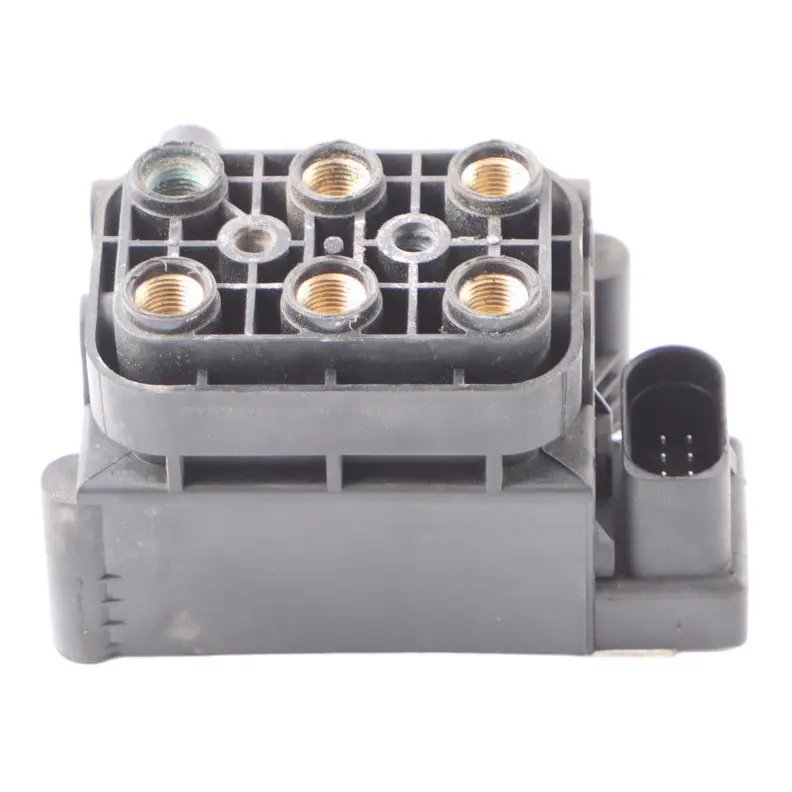
Control Valves
In the Global Parts automotive store, you will find a wide selection of used car parts, compatible with Audi and many other brands. The Valves category includes components used in the timing system and selected fluid control systems, where compliance with the OEM number, engine version, and mounting location is crucial.
Design and purpose of valves
Valves are working components of an engine or control system that open and close the flow of gases or liquids at specific moments of vehicle operation. In internal combustion engines, they are mounted in the cylinder head and work with seats, guides, springs, and timing drive components. Their task is to maintain the tightness of the combustion chamber and ensure proper charge exchange; therefore, when selecting them, one must compare the OEM part number, stem diameter, valve head type, and compatibility with the engine version.
Differences between valve types and data to verify
| Component type | Basic function | Cooperating components | What to check before purchase |
|---|---|---|---|
| Intake valve | Supplies the mixture or air to the cylinder | Valve seat, guide, spring, tappet | OEM number, diameter, length, compatibility with the head and engine version |
| Exhaust valve | Discharges exhaust gases from the cylinder | Seat, guide, stem seal, timing components | Material resistance consistent with the engine version, OEM number, operating dimensions |
| Control valve | Regulates the flow of medium or the operation of a selected system | Electrical connector, wiring, system housing, seals | Connector type, mounting location, OEM number, interchangeable numbers |
Valve function and cooperation with the timing system
Valves are used for precise flow control and must operate synchronously with other engine components. Even a small difference in dimension, length, or design type can affect tightness, smooth operation, and correct timing phase settings. Therefore, for this group of parts, it is also worth checking related categories, such as Camshafts, Valve tappets, and Valve guides, springs and parts.
Selecting valves for engine version and equipment
A valve guide is a component that keeps the stem in the correct operating axis and is responsible for stable guidance during opening and closing. Its wear can affect tightness, oil consumption, and seal performance, which is why valve selection should be combined with an inspection of cooperating parts. When completing a repair for a specific model, e.g., Audi A4 B8, it is good to verify the engine code, head variant, OEM number, and any interchangeable numbers provided with the product.
Practical tips for verifying parts
When choosing an element such as Audi valves, one should compare not only the part number itself but also the intended use for a specific engine, the mounting side, and the set of cooperating parts. If you are looking for a component such as an intake valve, the operating dimensions, compatibility with the seat, and the type of material used by the manufacturer are essential. A useful supplement when planning a repair may also be the guide Air conditioning and heating – part selection and maintenance for comfort all year round, which describes the principles of comparing OEM parts and technical data.
FAQ
| Question | Answer |
|---|---|
| What is the design and purpose of valves? | Valves are working parts mounted in the engine head or in flow control systems, depending on the vehicle's design. A typical element consists of a working part that closes the flow, a stem or guiding body, and surfaces that cooperate with the seat or seal. In an engine, their role is to control gas exchange, and in other systems, to regulate the flow of the medium and maintain proper operating parameters. |
| What are valves used for? | Valves are used to open and close the flow at the appropriate moment of system operation. In a power unit, they are responsible for supplying air or the mixture and discharging exhaust gases, while in control elements, they regulate the operation of a specific circuit. Their condition affects tightness, engine smoothness, and cooperation with timing accessories. |
| What is the design and function of a valve guide? | A valve guide is a component embedded in the head that keeps the valve stem in the correct axis of movement. It serves to stably guide the valve during operation, reduces play, and affects the effectiveness of the seal through cooperation with the stem seal. Its condition is important for the tightness of the combustion chamber, oil consumption, and the durability of the valve itself. |
| How to select valves for a specific engine? | It is best to compare the OEM part number, engine code, head version, and mounting data visible with the product. It is also worth checking if the manufacturer provides interchangeable numbers and if the part fits a specific pre-facelift or post-facelift version, if such a difference exists. Cooperating elements, such as springs, tappets, and guides, are also important during selection. |
| What symptoms may indicate a problem with valves? | Typical signs include uneven engine operation, loss of compression, reduced performance, or improper combustion. In practice, it is also worth checking the condition of seats, guides, and seals, as symptoms may result from the wear of several cooperating components. Assessing part compatibility before installation helps avoid the need to disassemble the head again. |
| What information in product listings should be compared before purchase? | In this category, data such as Brand, Condition, OEM Part Number, and Interchangeable Numbers are useful. They allow you to check the compatibility of the part with the vehicle version and compare whether a given element corresponds to the correct mounting location. It is also good practice to verify by VIN or based on markings from the dismantled component. |
Summary: valves in the Global Parts automotive store
Valves available in the Global Parts offer are parts that require precise matching to the engine version, accessories, and timing cooperation points. When choosing elements for Audi vehicles and others, it is worth paying attention to the OEM number, interchangeable numbers, mounting location, and compatibility with components from the Timing parts and Timing adjustment parts categories. We invite you to contact us – we are here to help you! For more information and interesting facts, we also invite you to visit our automotive blog.